Master Your Front Teeth: Electric Toothbrush Technique
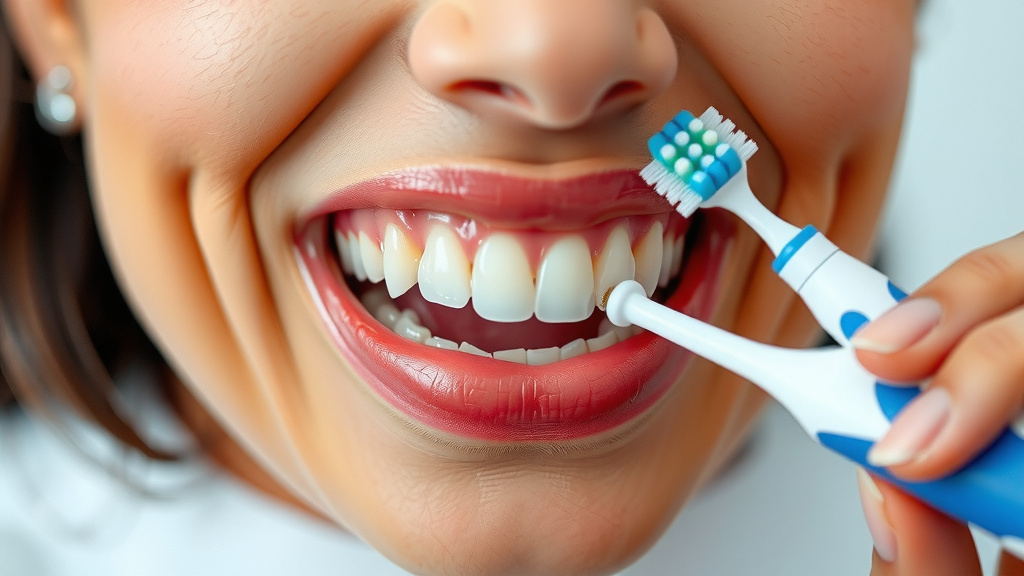
The easiest way to brush your front teeth with an electric toothbrush is to gently place the bristles against each tooth surface. Let the toothbrush do the work. You just need to guide it. Focus on cleaning the outside, inside, and chewing surfaces of each tooth. This method ensures a thorough clean.
Your front teeth are important for biting and smiling. Keeping them clean with an electric toothbrush is surprisingly simple. The rotating or oscillating head of the brush makes it easy to remove plaque. Many people worry about damaging their gums, but with the right technique, it’s perfectly safe and effective.
TL;DR:
- Place bristles gently on each tooth.
- Let the electric toothbrush do the scrubbing.
- Move it to the outside, inside, and chewing surfaces.
- Don’t forget to brush your gumline too!
- Take your time for a great clean.
Let’s walk through exactly how to get those pearly whites sparkling, one front tooth at a time.
Mastering Your Electric Toothbrush for Sparkling Front Teeth
So, you’ve got that fancy electric toothbrush. Now, let’s talk about making your front teeth shine. It’s not as tricky as you might think! The main trick is letting the brush do the heavy lifting. Your job is just to guide it gently.
Most electric toothbrushes have oscillating or rotating heads. These heads are designed to clean efficiently with minimal effort from you. The goal is to remove plaque and food particles without irritating your gums. We’ll break down the best way to hold it and move it.
Getting Started: The Right Angle and Pressure
Before you even switch the brush on, think about the angle. You want to aim for about a 45-degree angle toward your gum line. This helps the bristles reach just below the gum where plaque loves to hide.
Pressure is another big one. Many people press too hard, thinking it cleans better. Actually, it can damage your gums and wear down tooth enamel over time. Most electric toothbrushes have pressure sensors. If yours does, pay attention to its alerts. If not, just focus on a light, gentle touch. Imagine you’re polishing, not scrubbing!
Holding the Brush for Maximum Reach
For your front teeth, you’ll need to adjust your grip slightly. Hold the toothbrush handle firmly but relaxed. You want enough control to move it precisely. Don’t grip it so tightly that your hand shakes. A steady, controlled movement is key.
Why a Gentle Touch Matters (According to Experts)
Gum recession is a common problem, and aggressive brushing is a major contributor. The American Dental Association suggests that using excessive force can lead to gum damage and sensitivity. Letting the electric toothbrush’s technology do the work means you can be gentler.
Step-by-Step Guide to Brushing Your Front Teeth
Let’s break down the process for those visible front teeth. We’ll cover the outside, inside, and biting surfaces. Remember, patience is your friend here. Taking a little extra time means a much better clean.
Cleaning the Outside Surfaces
Start with the outside of your front teeth. Place the brush head on one tooth at a time. Let it sit there for a few seconds. Then, slowly move it to the next tooth. You’re not sawing back and forth like with a manual brush.
Think of it as a series of gentle pauses. Hold the brush on each tooth, letting the bristles work. Then, glide to the next tooth. Pay special attention to the gum line. You want to sweep away any buildup gently. Many dentists recommend spending at least two seconds per tooth surface.
Tackling the Inside Surfaces
This is where it can feel a little awkward, but it’s crucial. For the inside surfaces of your front teeth, you might need to adjust the angle of the toothbrush. Many electric toothbrushes have a head shape that makes this easier.
Try holding the brush vertically for the inside surfaces of your bottom front teeth. For the top, you might hold it at a slight angle. Again, place the bristles against the tooth and gum line. Let the brush spin and vibrate. Move slowly from tooth to tooth. Don’t forget that small space behind your front teeth!
Don’t Forget the Chewing Surfaces
While you’re focusing on the front, make sure to give the chewing surfaces some attention too. Place the brush head flat on the chewing surface of each tooth. Hold it there for a few seconds to allow the bristles to clean out any trapped food particles.
This step is especially important if you tend to chew a lot of sticky or hard foods. A thorough clean here helps prevent cavities and keeps your breath fresh. It’s all part of a complete oral hygiene routine.
Common Mistakes to Avoid with Your Electric Toothbrush
Even with the best tools, we can sometimes fall into bad habits. Here are a few common missteps people make when brushing their front teeth with an electric toothbrush.
The “Scrubbing” Syndrome
This is probably the most frequent error. People are so used to manual brushing that they instinctively scrub with an electric toothbrush. Remember, the head is designed to oscillate or rotate. Your job is to guide it, not force it. You might be surprised at how effective a gentle glide can be.
Pressing Too Hard (We’re Looking at You!)
As we’ve mentioned, too much pressure is a no-no. It can lead to gum recession and enamel wear. Think of your toothbrush as a gentle masseuse for your teeth and gums, not a power washer. Most dentists agree that this is a primary cause of gingival irritation.
Skipping Sections or Rushing
It’s easy to get a little impatient, especially if you’re running late. But rushing through your brushing means you’re likely missing spots. Make sure you cover all surfaces of each front tooth. Consistency is key for a healthy smile.
Not Replacing the Brush Head
Brush heads wear out! After a few months of use, the bristles become frayed and less effective. They can also harbor bacteria. Most manufacturers recommend replacing your brush head every three to four months. Some even have indicator bristles that fade to show you when it’s time.
Making the Most of Your Electric Toothbrush: A Quick Checklist
Ready to put this into practice? Here’s a simple checklist to ensure you’re getting the best clean for your front teeth:
- Place brush head at a 45-degree angle to the gum line.
- Use light pressure; let the brush do the work.
- Hold on each tooth for a few seconds before moving.
- Cover outside, inside, and chewing surfaces thoroughly.
- Adjust brush angle for inside surfaces of front teeth.
- Replace brush head every 3-4 months for optimal cleaning.
Conclusion
You’ve learned how to effectively brush your front teeth with an electric toothbrush. Remember, the key is a gentle touch and letting the brush do the work. Focus on angling the bristles towards your gum line and guiding the brush slowly over each tooth surface – outside, inside, and chewing. By avoiding common mistakes like scrubbing or pressing too hard, you protect your gums and enamel. Consistent, mindful brushing ensures your front teeth stay healthy and bright. Make it a habit to replace your brush head regularly. Now, go ahead and give your smile the best care it deserves!
Frequently Asked Questions
How long should I brush my front teeth with an electric toothbrush?
You should aim for about two seconds per tooth surface. For your front teeth, this means spending time on the outside, inside, and chewing surfaces. Rushing will mean you miss spots. A full two-minute brushing session, with adequate time for your front teeth, is ideal.
Is it okay to use an electric toothbrush on my gums?
Yes, it’s not only okay but recommended to brush your gumline. The key is to use a gentle pressure. Angle the bristles of your electric toothbrush at about 45 degrees toward your gums. This helps remove plaque without causing irritation or damage.
What if my electric toothbrush doesn’t have a pressure sensor?
If your electric toothbrush lacks a pressure sensor, you’ll need to rely on feel. The rule of thumb is to use very light pressure. Imagine you are polishing your teeth, not scrubbing them. Excessive force can lead to gum recession and enamel wear, so be mindful of your touch.
Can I brush my teeth vertically with an electric toothbrush?
For the inside surfaces of your front teeth, holding the brush vertically can be very effective. This allows the brush head to reach those tight spaces more easily. Just ensure you maintain that gentle contact with the tooth and gumline as you move along.
How often should I replace my electric toothbrush head?
Most dental professionals and manufacturers recommend replacing your electric toothbrush head every three to four months. Over time, bristles fray and become less effective at cleaning. Some brush heads even have indicator bristles that fade to signal when it’s time for a change.