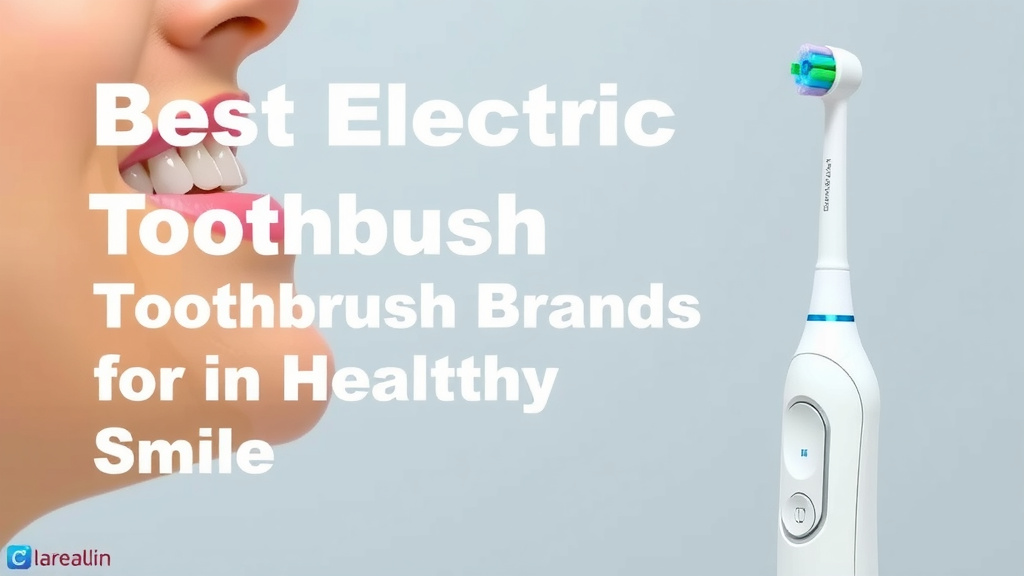
Best Electric Toothbrush Brands for a Healthier Smile
Navigating the electric toothbrush landscape in 2026 can feel overwhelming, and spoiler alert: there’s no magic bullet that fits every grin. The ultimate brush for *your* smile is a personal equation, factoring in everything from your unique dental goals to your wallet’s comfort level. But fear not! We’ve scoured the latest innovations and user feedback to highlight the electric toothbrush brands, like the ever-reliable Philips Sonicare and Oral-B, that consistently deliver superior cleaning power and are poised to keep your smile its healthiest.
These leading brands offer a range of models. Some focus on gentle gum care, while others provide deep cleaning for plaque removal. We looked at features like pressure sensors, brushing modes, and app connectivity. Your ideal toothbrush balances effective cleaning with features you’ll actually use daily.
- The “best” electric toothbrush varies by person.
- Philips Sonicare and Oral-B are top brands.
- Consider your gum health and plaque removal needs.
- Look for features like pressure sensors.
- Your budget plays a big role in the choice.
Let’s break down the top contenders to help you find the perfect electric toothbrush for your smile.
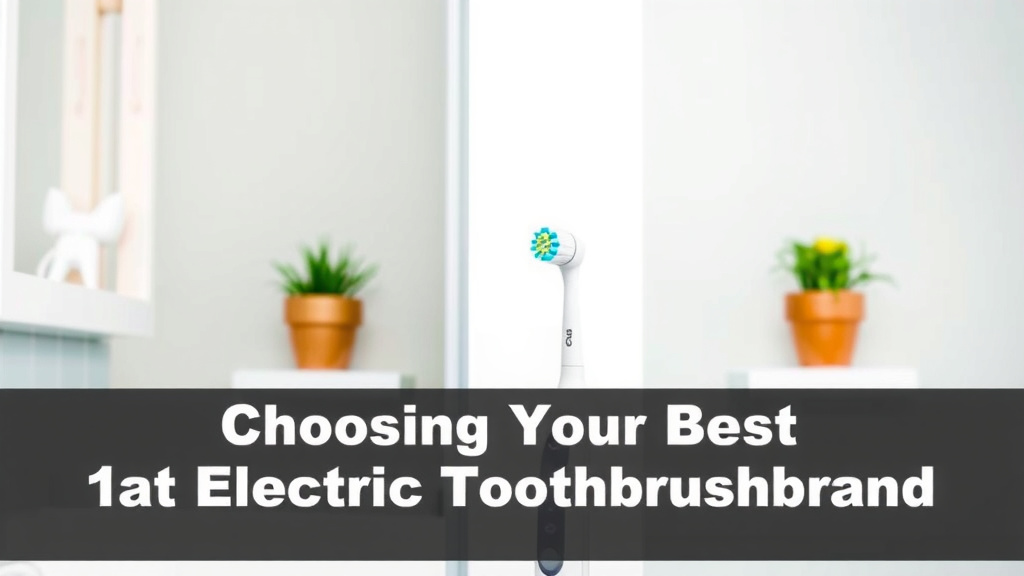
Choosing Your Best Electric Toothbrush Brand
When you’re standing in the oral care aisle, wondering which electric toothbrush brand is truly the best, it’s easy to feel a little overwhelmed. You’ve got options galore, promising brighter smiles and healthier gums. But let’s get real: the “best” one for you isn’t necessarily the same as for your neighbor. Your unique dental needs and your budget are the real drivers here.
After sifting through the noise, we found that two brands consistently rise to the top for their performance and innovation: **Philips Sonicare** and **Oral-B**. These aren’t just household names; they’re brands that dentists often recommend. They offer a wide range of models, each designed to tackle different aspects of your oral hygiene routine.
Philips Sonicare: The Power of Sonic Technology
Philips Sonicare is a name many of us grew up with, and for good reason. Their brushes are built on a foundation of **sonic technology**. What does that mean for your teeth? It means vibrations. Lots of them, actually. These brushes vibrate at a very high speed, creating thousands of brush strokes per minute. This isn’t just about scrubbing; it’s about creating a dynamic cleaning action.
This rapid movement generates fluid dynamics. Tiny bubbles of toothpaste and water are pushed into hard-to-reach places. Think of it like a gentle, yet effective, power wash for your mouth. It helps dislodge plaque and food particles from between your teeth and along your gum line. This can be a real game-changer if you struggle with traditional brushing techniques or have sensitive gums.
Sonicare’s Key Features
What sets Sonicare apart? We found several features that consistently impress:
- Gentle Cleaning: Many users find Sonicare brushes to be incredibly gentle on their gums. This is a big plus if you’ve experienced bleeding or discomfort with other brushes.
- Effective Plaque Removal: Despite their gentleness, these brushes are remarkably effective at removing plaque. Studies often show they can remove significantly more plaque than manual toothbrushes (American Dental Association).
- Variety of Modes: From a basic clean to modes focused on gum care or whitening, Sonicare offers options to suit your specific goals.
- Smart Features: Higher-end models often come with app connectivity. This helps you track your brushing habits, get real-time feedback, and ensure you’re covering all areas of your mouth.
We’ve seen that the DiamondClean series, for example, is a popular choice for those looking for advanced features and a sleek design. They often come with multiple brushing modes and a stylish charging base.
Oral-B: Engineering for Deep Cleaning
Oral-B takes a different approach, focusing on **oscillating-rotating technology**. Their brush heads are typically smaller, round, and designed to cup each tooth individually. As the brush head oscillates (moves back and forth) and rotates, it performs thousands of tiny scrubbing motions. It’s like having a miniature dentist’s polisher right in your bathroom.
This method is particularly effective at breaking up plaque and sweeping it away. If you’re someone who really wants that “dentist-clean” feeling after brushing, Oral-B might be your go-to. We found that their technology is often lauded for its ability to tackle stubborn plaque buildup.
Oral-B’s Standout Qualities
What makes Oral-B a strong contender? Here’s what we noticed:
- Superior Plaque Removal: Numerous studies have indicated that Oral-B’s oscillating-rotating technology can be more effective at removing plaque than manual brushes. Some research even suggests it outperforms sonic technology in certain aspects of plaque reduction (Cochrane Database of Systematic Reviews).
- Pressure Sensors: This is a huge one! Many Oral-B models come equipped with pressure sensors. These sensors alert you if you’re pressing too hard, which is a common mistake that can damage gums and enamel. We think this feature alone is worth considering.
- Variety of Brush Heads: You can find specialized brush heads for almost any need, whether it’s for sensitive teeth, orthodontics, or deep cleaning.
- Durability and Performance: Oral-B brushes are generally known for their robust build and consistent performance over time.
For example, the iO Series from Oral-B has been a real game-changer, combining their oscillating-rotating action with a magnetic drive system for a smoother, quieter, and more powerful clean. Many users report a noticeable difference in their oral health after switching.
Comparing the Top Contenders: Sonicare vs. Oral-B
So, how do you decide? Let’s look at a quick comparison to help you visualize the differences. We’re focusing on the core technology and common benefits:
| Feature | Philips Sonicare | Oral-B |
|---|---|---|
| Cleaning Technology | High-speed sonic vibrations | Oscillating-rotating, often with pulsations |
| Brush Head Shape | Elongated, similar to manual brushes | Small, round, cups each tooth |
| Cleaning Action | Dynamic fluid action, gentle | Mechanical scrubbing, powerful |
| Best For | Sensitive gums, gentle cleaning, broad coverage | Deep plaque removal, feeling of intense clean |
| Common Smart Features | App connectivity, brushing guidance | Pressure sensors, app connectivity (on higher models) |
It’s important to remember that both brands offer fantastic cleaning capabilities. Your personal preference for the sensation of brushing will likely play a big role. Some people love the feeling of Sonicare’s vibrations, while others prefer the targeted action of Oral-B’s round heads. We suggest trying to test them out if possible, perhaps at a friend’s house or by purchasing a more basic model first.
Beyond the Big Two: Other Brands to Consider
While Philips Sonicare and Oral-B dominate the market, there are other brands worth mentioning. They might offer unique features or more budget-friendly options. For instance, **Quip** has gained popularity for its minimalist design and subscription service for brush heads. They offer a gentler, more basic clean that appeals to many.
Brands like **Foreo** offer silicone brush heads, which are very hygienic and can be gentler than traditional bristles. Their designs are also quite futuristic and appealing. We’ve found that these alternatives can be excellent choices if the top brands don’t quite fit your needs or budget. Always check reviews and research specific models.
What Features Matter Most for *Your* Smile?
When selecting your electric toothbrush, think about what you really need. Is your main goal to fight plaque? Do you have sensitive gums that need a lighter touch? Are you trying to whiten your teeth? Answering these questions will guide your choice.
Don’t Forget the Basics
Regardless of the brand, there are a few features we found universally helpful:
- Pressure Sensor: As we mentioned, this is a lifesaver for protecting your gums.
- Timer: Most electric toothbrushes have a two-minute timer, often with quadrant pacing. This ensures you brush for the dentist-recommended time.
- Battery Life: A long-lasting battery is convenient, especially if you travel often.
Think about what features you’ll actually use. Do you need a dozen brushing modes, or will a simple clean mode suffice? Overly complex features can sometimes increase the cost without adding much benefit for your daily routine. We believe the best brush is the one you’ll use consistently and correctly.
Making Your Final Decision: A Quick Checklist
Ready to make a choice? Run through this quick checklist to help you narrow it down:
- Have you considered your gum sensitivity?
- What’s your budget for the toothbrush and replacement heads?
- Do you prefer a gentler sonic clean or a more vigorous oscillating-rotating clean?
- Are smart features like app connectivity important to you?
- Do you want a brush that emphasizes plaque removal or gum care?
- What kind of brush head shape feels most comfortable in your mouth?
By carefully considering these points, you’re well on your way to finding an electric toothbrush that will make your smile healthier and happier. Remember, a good electric toothbrush is an investment in your long-term oral health!
Conclusion
We’ve seen that choosing the best electric toothbrush brand comes down to your personal needs and preferences. Both Philips Sonicare and Oral-B deliver exceptional cleaning, but they do it differently. Sonicare offers a gentle, dynamic cleaning action great for sensitive gums, while Oral-B provides a powerful, targeted clean that excels at plaque removal. Consider your budget and what features, like pressure sensors or app connectivity, will genuinely enhance your daily routine. Your best electric toothbrush is the one that encourages you to brush consistently and effectively for a healthier smile.
Take a moment to think about your oral health goals and preferences. Then, make your choice and commit to using your new electric toothbrush twice a day. Your gums and teeth will thank you for it!
Frequently Asked Questions
Which brand is better for sensitive gums: Sonicare or Oral-B?
Based on our research, Philips Sonicare brushes are often recommended for sensitive gums. Their sonic technology creates fluid dynamics that clean effectively without direct, harsh scrubbing. Many users find the vibrations to be gentler than Oral-B’s oscillating-rotating action.
Is a pressure sensor really necessary on an electric toothbrush?
Yes, a pressure sensor is a highly beneficial feature. We found that pressing too hard can damage your gums and enamel. A pressure sensor alerts you when you’re applying too much force, helping you protect your oral health.
Are Oral-B replacement brush heads more expensive than Sonicare’s?
Generally, both brands have a range of prices for replacement heads. Higher-end models from either brand may have more expensive proprietary heads. We suggest factoring the ongoing cost of replacement heads into your initial purchase decision.
Do I need a toothbrush with multiple brushing modes?
Not necessarily. While multiple modes like whitening or gum care can be nice, most people get excellent results using the basic “clean” mode. Think about whether you’ll actually use these extra settings before paying a premium for them.
Can I switch between Sonicare and Oral-B brush heads?
No, you cannot switch brush heads between these two brands. Oral-B uses its own unique attachment system for its round brush heads, and Philips Sonicare uses a different system designed for its elongated brush heads. You must use the brush heads specifically made for your toothbrush’s brand and model.