Electric Toothbrush Battery Types Explained
Most electric toothbrushes use rechargeable lithium-ion batteries. These are favored for their long lifespan and ability to hold a charge for extended periods. You’ll find these powerhouses inside most modern electric toothbrushes, from top brands to newer models.
Older models might still use nickel-metal hydride (NiMH) batteries. While less common now, they were once the standard for many rechargeable devices. Knowing your toothbrush’s battery type can help when it eventually needs a replacement or if you’re curious about its technology.
TL;DR:
- Electric toothbrushes mainly use lithium-ion batteries.
- Older models may have NiMH batteries.
- Lithium-ion batteries offer a longer charge.
- Battery type affects rechargeability and lifespan.
Let’s dive into the details about what’s powering your smile.
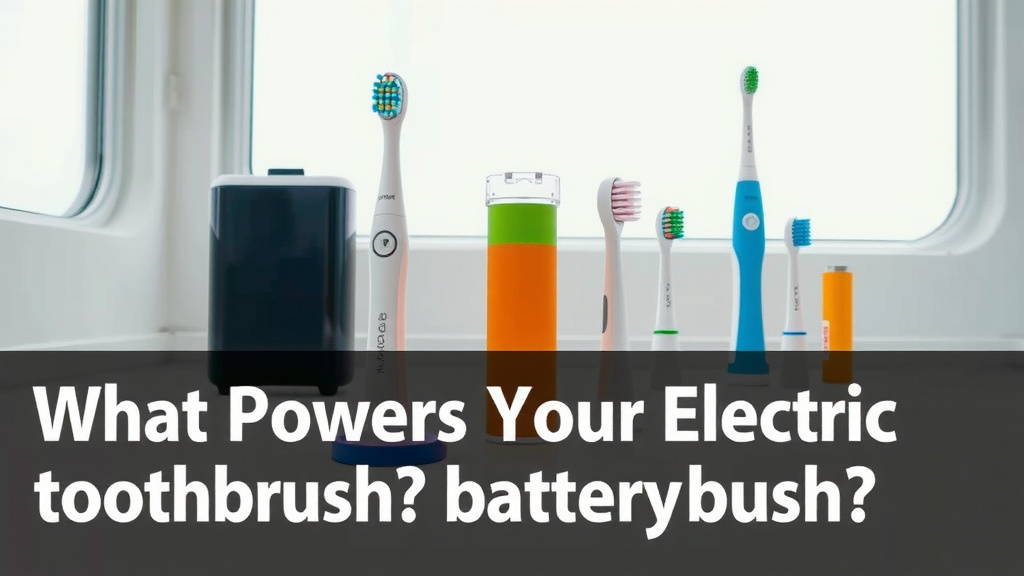
What Powers Your Electric Toothbrush? Battery Basics
You’ve got that gleaming electric toothbrush, ready to tackle your daily routine. But have you ever wondered what’s actually humming away inside, giving it the juice to clean your teeth so effectively? Most likely, it’s a rechargeable battery. These little powerhouses are the heart of your toothbrush. They store energy so you can brush without being tethered to a wall. It’s pretty neat when you think about it!
The type of battery used can really affect how long your toothbrush lasts between charges. It also plays a role in how long the battery itself will perform well over time. We’re going to break down the common types you’ll find. Understanding this can help you make informed choices when it’s time for a new one. Understanding battery type is key to knowing the correct charging time.
The Reigning Champion: Lithium-Ion Batteries
If you have a modern electric toothbrush, chances are it’s powered by a lithium-ion (Li-ion) battery. These are super popular across many electronic devices today, not just toothbrushes. Think smartphones, laptops, and even electric cars. They’ve become the go-to for good reason.
Why Lithium-Ion is So Popular
So, what makes Li-ion batteries the top dog? Well, they offer some really fantastic advantages. For starters, they tend to have a higher energy density. This means they can pack more power into a smaller, lighter package. That’s why your toothbrush can be sleek and not feel bulky in your hand. It’s all about efficient energy storage.
Another big win for Li-ion is their long lifespan. They can handle many more charge and discharge cycles compared to older battery technologies. This means the battery in your toothbrush should keep a good charge for a long time, often for several years. You won’t have to worry about it dying out quickly.
Furthermore, Li-ion batteries have a low self-discharge rate. This is a fancy way of saying they hold their charge really well when you’re not using them. You can leave your toothbrush on the charger for a while, or even take it on a trip without it immediately losing power. This convenience is a huge plus for busy lifestyles.
The Downsides of Li-ion
While great, Li-ion batteries aren’t perfect. They can be a bit more sensitive to extreme temperatures. Leaving your toothbrush in a very hot car, for instance, isn’t ideal. Also, they can be a bit more expensive to manufacture. But for the performance benefits, most manufacturers find it’s a worthwhile trade-off.
Safety is also a consideration, though modern designs have many safeguards. You might hear about potential issues, but in consumer products like toothbrushes, they are designed with multiple layers of protection. Reputable brands ensure their batteries meet strict safety standards (Consumer Product Safety Commission).
The Still-Relevant Contender: Nickel-Metal Hydride (NiMH) Batteries
Before lithium-ion took over, nickel-metal hydride (NiMH) batteries were the rechargeable stars. You might still find these in older electric toothbrushes or other personal care devices. They were a significant improvement over their predecessors, like nickel-cadmium (NiCd) batteries.
What Makes NiMH Batteries Tick
NiMH batteries are known for being quite durable. They can withstand a fair amount of use and abuse. They also tend to be a bit more forgiving when it comes to temperature fluctuations compared to Li-ion. So, if your bathroom gets a little warm, a NiMH battery might handle it a bit better.
One of the key advantages of NiMH batteries is their lower cost. They are generally less expensive to produce than lithium-ion batteries. This can sometimes translate to a more affordable toothbrush for consumers. They were a great option for many years and are still perfectly functional.
The Limitations of NiMH
However, NiMH batteries do have a few drawbacks compared to their Li-ion cousins. They generally have a lower energy density. This means they can’t store as much power in the same size battery. You might find that a toothbrush with a NiMH battery needs charging a bit more frequently.
NiMH batteries also suffer from something called the memory effect. This isn’t as common as with older NiCd batteries, but it can still happen. If you repeatedly recharge a NiMH battery before it’s fully depleted, it might “remember” that partial charge level. Over time, this can reduce its overall capacity. To combat this, it’s often recommended to let NiMH batteries fully discharge every so often.
Another point is their higher self-discharge rate. This means they lose their charge more quickly when not in use. You might notice your older toothbrush seems to need charging more often, even if you haven’t used it much. This is a common characteristic of NiMH technology.
Comparing the Battery Types Side-by-Side
To help you see the differences clearly, let’s look at them in a simple table. Think of it like comparing two different types of cars – both get you where you need to go, but one might be faster and more fuel-efficient.
| Feature | Lithium-Ion (Li-ion) | Nickel-Metal Hydride (NiMH) |
|---|---|---|
| Energy Density | High (more power, smaller size) | Moderate (less power for size) |
| Lifespan (Charge Cycles) | Long (hundreds to thousands) | Moderate (hundreds) |
| Self-Discharge Rate | Low (holds charge well) | Moderate to High (loses charge faster) |
| Memory Effect | None | Minimal to None (less than NiCd) |
| Cost | Higher | Lower |
| Common In | Newer electric toothbrushes, smartphones, laptops | Older electric toothbrushes, some remote controls |
How to Maximize Your Toothbrush Battery Life
Regardless of the battery type in your electric toothbrush, you’ll want to get the most out of it. Think of it like getting the best mileage from your car. A few simple habits can go a long way in keeping your toothbrush powered up for longer.
Here’s a quick checklist:
- Read the Manual: Seriously, the manufacturer knows best! It often has specific charging instructions.
- Avoid Extreme Temperatures: Don’t leave your toothbrush in direct sunlight or a freezing car.
- Full Charge Cycles (Sometimes): For NiMH, letting it fully discharge occasionally can help. Li-ion doesn’t need this.
- Use the Right Charger: Always use the charger that came with your toothbrush.
- Don’t Over-Charge Constantly: Most modern toothbrushes stop charging when full. But if yours doesn’t, unplugging it is a good idea.
- Clean Contacts: Make sure the charging contacts are clean and dry for a good connection.
By understanding what’s powering your oral hygiene tool, you can better care for it. These batteries are engineered for convenience and performance. They are what allow your electric toothbrush to deliver that superior clean you’ve come to expect.
Conclusion
Now you know that your electric toothbrush is most likely powered by a long-lasting lithium-ion battery, especially if it’s a newer model. Older ones might still use NiMH batteries, which are also reliable but a bit different. Understanding these power sources helps you care for your toothbrush. Keeping its battery healthy means you get consistent cleaning power for years. To keep your toothbrush running smoothly, remember to follow the manufacturer’s charging advice and avoid extreme temperatures. This simple knowledge ensures your smile stays bright and your toothbrush keeps working efficiently.
Frequently Asked Questions
Do all electric toothbrushes use rechargeable batteries?
Yes, virtually all modern electric toothbrushes use rechargeable batteries. This is what makes them convenient and eco-friendly compared to disposable options. You charge them up, and they’re ready to go.
Can I replace the battery in my electric toothbrush?
Replacing the battery can be difficult and often voids your warranty. Most manufacturers design electric toothbrushes to be replaced as a whole unit when the battery life significantly degrades.
How do I know if my toothbrush has a lithium-ion or NiMH battery?
The best way to know is to check your toothbrush’s manual or the manufacturer’s website. Generally, newer, higher-end models are more likely to have lithium-ion batteries.
How long does an electric toothbrush battery typically last?
A lithium-ion battery in an electric toothbrush can last several years with proper care. NiMH batteries might have a shorter lifespan, often lasting a couple of years before you might notice a decrease in performance.
Is it bad to leave my electric toothbrush plugged in all the time?
For lithium-ion batteries found in most modern toothbrushes, it’s usually fine to leave them on the charger. They have built-in circuits to prevent overcharging. For older NiMH models, it might be better to unplug once fully charged occasionally.