Electric vs Manual Toothbrush: Which is Better for Your Smile
Electric toothbrushes are generally better than manual toothbrushes for most people. They provide a more effective clean and can help remove more plaque. This is thanks to their powered movements, which do much of the scrubbing work for you.
Many studies have found that electric toothbrushes lead to healthier gums and can reduce gingivitis more than manual brushing. They can also be easier to use, especially for those with limited dexterity. Think of it as having a tiny, super-efficient cleaning crew in your mouth!
- Electric brushes often remove more plaque.
- They can lead to better gum health.
- Using one can be easier for many people.
- They often have built-in timers for brushing.
Ready to see why so many people are making the switch? Let’s dive into the specific benefits that make electric toothbrushes a smart choice for your oral hygiene. Learn more about dentist-recommended electric toothbrushes.
Why Electric Toothbrushes Outshine Manual Ones
You might be wondering if the upgrade to an electric toothbrush is truly worth it. The answer, for most people, is a resounding yes! Research consistently shows that electric toothbrushes can offer a superior clean. They use powered movements to do the hard work for you. This means less effort for you and more effective plaque removal.
Superior Plaque Removal: The Power of Oscillation
One of the biggest advantages of electric toothbrushes is their ability to remove more plaque. This is often due to their high-speed rotating or oscillating brush heads. These movements create micro-vibrations. They can reach areas that are harder to access with manual brushing.
Studies have found that electric toothbrushes can remove up to 21% more plaque than manual ones. This isn’t just a small difference. It can have a big impact on your oral health over time. Less plaque means a lower risk of cavities and gum disease.
How the Movements Make a Difference
Think about how you brush manually. You have to create the scrubbing motion yourself. It’s easy to miss spots or not brush long enough. Electric toothbrushes do this for you. Their heads move thousands of times per minute. This action can dislodge plaque more effectively.
The oscillating-rotating type of electric toothbrush is particularly effective. Their brush heads move back and forth rapidly. This helps sweep away plaque from the tooth surface and gumline. Sonic toothbrushes also use high-speed vibrations. These create fluid dynamics that can help clean between teeth.
Healthier Gums: A Gentler Approach
Beyond just removing plaque, electric toothbrushes can also be gentler on your gums. Aggressive manual brushing can lead to gum recession. It can also irritate sensitive gum tissue. Electric models often have built-in pressure sensors. These alert you if you’re pressing too hard.
This gentle yet effective cleaning action leads to healthier gums. Many studies have shown a reduction in gingivitis (gum inflammation) when people switch to electric brushes. Healthier gums are less likely to bleed. They also provide better support for your teeth. This is a win-win for your smile!
Reduced Gingivitis and Gum Recession
Gingivitis is an early stage of gum disease. It’s characterized by red, swollen, and easily bleeding gums. Electric toothbrushes, by removing plaque more effectively near the gumline, can significantly help prevent and reduce gingivitis.
We found that consistent use of electric toothbrushes is linked to a lower incidence of gum disease. This is according to research compiled by organizations like the American Dental Association. Reducing plaque buildup helps stop the bacteria that cause inflammation from thriving. This protection extends to preventing gum recession, which can expose tooth roots and cause sensitivity.
Ease of Use and Accessibility
For many people, the sheer ease of using an electric toothbrush is a major draw. You don’t need a perfect brushing technique. The brush head does most of the work. This is especially helpful for certain groups of people.
Children can find them more engaging. Adults with arthritis or limited hand mobility often find them much easier to hold and maneuver. This means they can achieve a better clean without struggling. It makes good oral hygiene accessible to more people.
Benefits for Specific Groups
If you have conditions like arthritis, carpal tunnel syndrome, or Parkinson’s disease, the reduced physical effort is a huge benefit. You simply guide the brush. The powered movements do the rest. This can lead to a more thorough cleaning than you might achieve manually.
Children also benefit greatly. The novelty and vibration can make brushing more fun. Many electric toothbrushes for kids come with apps. These help track brushing time and technique. This can turn a chore into an engaging activity. It helps establish good habits early on (American Academy of Pediatric Dentistry).
Built-in Timers for Optimal Brushing Duration
Ever wonder if you’re brushing for the dentist-recommended two minutes? Most electric toothbrushes take the guesswork out of it. Many models come with built-in timers. These often signal every 30 seconds. This helps you know when to move to a different quadrant of your mouth.
This consistent timing ensures you’re dedicating enough time to each area. It leads to a more balanced and thorough clean. You’ll never have to guess if you’ve brushed long enough again. It’s like having a dental hygienist coach you every time you brush!
The Two-Minute Rule Made Easy
Dentists worldwide recommend brushing for at least two minutes. It ensures you reach all surfaces of your teeth. It also gives your toothpaste time to work effectively. Many electric toothbrushes have a 2-minute timer. Some even have a 30-second pacer. This buzzes or flashes to tell you to switch to another section of your mouth.
This feature is a game-changer for many. It helps train you to brush for the correct duration. It’s one less thing to think about while you’re cleaning your teeth. You can focus on guiding the brush to ensure you cover all surfaces.
Making the Switch: What to Expect
Transitioning from manual to electric might feel a little different at first. The vibrations can be a new sensation. Don’t worry, you’ll get used to it quickly. Remember to let the brush do the work. You just need to guide it.
Focus on placing the brush head on each tooth surface. Let the bristles do the cleaning. Avoid pressing too hard, especially if your brush has a pressure sensor. It’s all about a gentle, steady approach. You’ll likely notice a cleaner feeling in your mouth very soon after starting.
Tips for a Smooth Transition
Start with a gentler mode if your electric toothbrush offers one. This can help you adjust to the sensation. Remember to replace your brush head regularly. Most manufacturers recommend every three months. A worn-out brush head won’t clean as effectively. Remember to replace your brush head regularly for optimal cleaning.
Consider using a toothpaste designed for electric toothbrushes. Some users prefer the foamier texture. Ultimately, find what works best for your comfort and cleaning needs. The goal is a comfortable, effective clean every time.
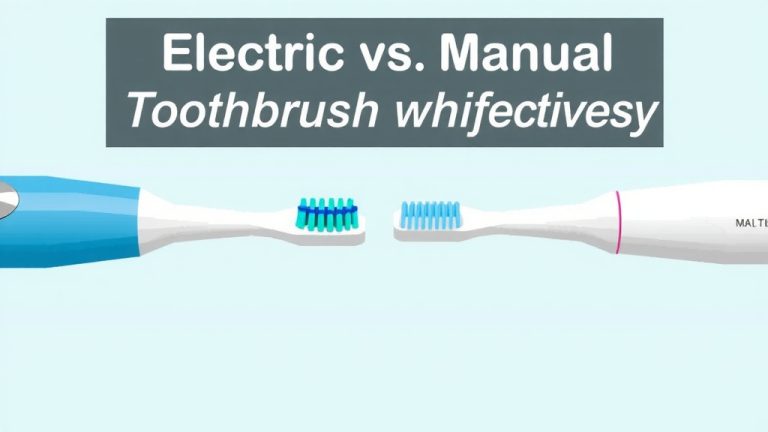
| Feature | Manual Toothbrush | Electric Toothbrush |
|---|---|---|
| Plaque Removal | Good with proper technique | Often superior, especially oscillating models |
| Gum Health | Can be effective; risk of over-brushing | Often better due to pressure sensors and consistent motion |
| Ease of Use | Requires active technique | Less effort, easier for limited dexterity |
| Timers | None built-in | Commonly includes 2-minute timers and 30-second pacers |
| Cost | Lower initial and replacement cost | Higher initial cost, replacement heads vary |
Your New Brushing Routine Checklist:
- Choose an electric toothbrush that fits your needs.
- Use gentle pressure; let the brush do the work.
- Brush for the full two minutes, using the timer.
- Move the brush head slowly over all tooth surfaces.
- Replace your brush head every 3 months.
- Consult your dentist for personalized advice.
Conclusion
You’ve seen why electric toothbrushes offer a superior clean for your smile. They excel at removing plaque and are proven to improve gum health. Plus, they make consistent, effective brushing easier for everyone. For many, the built-in timers and gentler cleaning action are major advantages. Ready to experience a healthier mouth? Your next step is to choose an electric toothbrush that suits your needs and make the switch. Your gums and teeth will thank you for it!
Frequently Asked Questions
Are electric toothbrushes really worth the higher cost?
Yes, research suggests they often are. While the initial cost is higher, the enhanced plaque removal and improved gum health can lead to fewer dental issues down the line. This can potentially save you money on future treatments. Many find the investment pays off in better oral hygiene.
Can an electric toothbrush hurt my gums?
Generally, no. Many electric toothbrushes have pressure sensors that alert you if you’re brushing too hard, which is a common cause of gum damage with manual brushes. The powered movements are designed to be effective without requiring harsh scrubbing. Just be sure to use gentle pressure and let the brush do the work.
How often should I replace the brush head on an electric toothbrush?
Most manufacturers recommend replacing your electric toothbrush head every three months. Worn-out bristles become less effective at cleaning and can harbor bacteria. Replacing the head regularly ensures you get the best possible clean and helps maintain gum health.
Do electric toothbrushes work better on braces?
Many people with braces find electric toothbrushes very helpful. The smaller brush heads and consistent movements can make it easier to clean around brackets and wires. Some electric models offer specific brush heads designed for orthodontics, making them excellent tools for maintaining hygiene.
Is it true that electric toothbrushes help with bad breath?
Yes, they can! By more effectively removing plaque and food particles that cause bacteria buildup, electric toothbrushes can help reduce the sources of bad breath. A cleaner mouth overall leads to fresher breath, contributing to your confidence throughout the day.