Master Your Electric Toothbrush Technique for a Perfect Clean
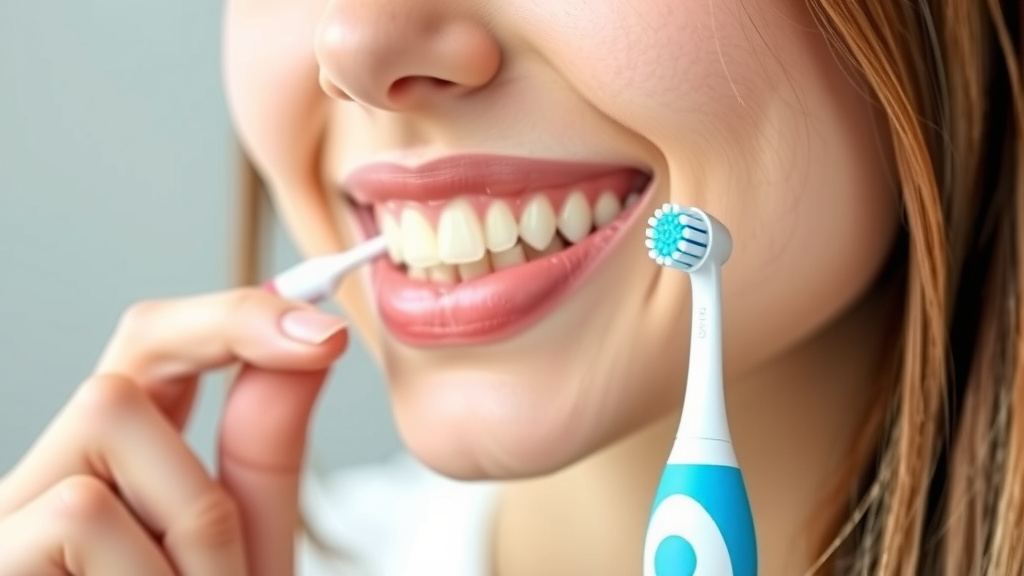
The easiest way to brush your teeth with an electric toothbrush is to let the brush do the work. You simply guide it from tooth to tooth, spending a few seconds on each surface. This method ensures you cover all areas effectively, reaching plaque and debris that manual brushes might miss. Proper technique helps maximize the cleaning power of your electric toothbrush for a healthier smile.
Electric toothbrushes use oscillating or sonic vibrations to clean your teeth. Unlike manual brushing, you don’t need to scrub back and forth. Instead, focus on holding the brush head gently against each tooth. This allows the bristles to do the heavy lifting, providing a more thorough and often gentler clean for your gums. Many dental professionals recommend this technique for better oral hygiene.
- Let the brush head glide over each tooth.
- Hold it for a few seconds on each surface.
- Don’t scrub; the brush does the work.
- Focus on one tooth at a time.
- Brush all surfaces: outer, inner, and chewing.
Ready to perfect your electric toothbrush technique? Let’s walk through exactly how to get the most out of your brushing routine, step by step.
Mastering Your Electric Toothbrush Technique
So, you’ve got a fancy electric toothbrush. Great choice! Now, let’s make sure you’re using it like a pro. You’re probably wondering, “Is there more to it than just shoving it in my mouth?” The short answer is yes, but it’s not complicated. We’ll walk you through the best way to get those pearly whites sparkling. It’s all about **gentle guidance** and letting the brush do the heavy lifting.
The goal here is to remove plaque and food particles effectively. Think of your electric toothbrush as a tiny, super-efficient cleaning crew. Your job is to direct them precisely where they need to go. This method ensures you reach every nook and cranny. It’s a simple upgrade to your daily routine that makes a big difference.
Getting Started: The Right Tools and Prep
Before you even turn on the brush, a little prep goes a long way. First, make sure you’re using a compatible brush head. Most electric toothbrushes come with standard heads, but there are specialized ones for sensitive gums or whitening. Always check your toothbrush manual for recommendations.
Choosing Your Toothpaste
What about toothpaste? You can use most standard toothpastes. However, avoid gritty, abrasive kinds. These can wear down your enamel over time. Many dentists recommend using a fluoride toothpaste. It helps strengthen your teeth and prevent cavities. Some electric toothbrushes even have built-in pressure sensors. These alert you if you’re pressing too hard.
Applying Toothpaste
Put a pea-sized amount of toothpaste on the bristles. Some people like to wet the brush head first, others don’t. Both are generally fine. Just don’t rinse your mouth immediately after brushing; this washes away the fluoride. We’ll cover that later!
The Step-by-Step Brushing Process
Now for the main event. Remember, the key is to let the brush do the work. No sawing back and forth like with a manual brush. You’re basically guiding it.
Positioning the Brush Head
Start with the brush head angled slightly towards your gum line. Aim for about a 45-degree angle. This helps get under the gum line where plaque loves to hide. Hold the brush head firmly but gently against the tooth. You’ll feel the vibrations or oscillations. Don’t apply a lot of pressure; it’s unnecessary and can damage your gums. Remember to angle the brush head towards the gum line for optimal cleaning.
Cleaning Tooth Surfaces
We need to cover all three surfaces of each tooth: the outer, the inner, and the chewing surface. Work your way around your mouth systematically.
Outer Surfaces
Begin with the outer surfaces. Place the brush head on one tooth. Hold it there for a few seconds, maybe two to three seconds. Let the bristles do their cleaning magic. Then, move to the next tooth. Don’t scrub. Just glide. Repeat this for all the outer surfaces of your upper teeth, then your lower teeth. Imagine you’re polishing each tooth individually.
Inner Surfaces
Next, tackle the inner surfaces. The technique is the same: angle the brush head towards the gum line and hold it gently on each tooth for a few seconds. For the inner surfaces of your front teeth, you might need to tilt the brush head vertically. This helps you reach those tight spots. Many experts suggest this can help prevent gum disease (CDC).
Chewing Surfaces
Finally, clean the chewing surfaces. You can hold the brush head flat on these surfaces. Again, let the vibrations do the work. Move from tooth to tooth until all chewing surfaces are clean. This ensures all food debris is removed.
The Two-Minute Rule
Dentists and dental associations generally recommend brushing for two minutes. Most electric toothbrushes have a built-in timer. Many even pause briefly every 30 seconds. This signals you to move to a different quadrant of your mouth (upper right, upper left, lower right, lower left). This makes it easy to track your time and ensure even cleaning.
Post-Brushing Essentials
You’re almost done! But there are a couple of important steps after you’ve finished brushing.
Rinsing Your Mouth
We mentioned avoiding rinsing right away. After brushing, spit out the excess toothpaste. You can then rinse your mouth with a small amount of water or a fluoride mouthwash. This leaves a protective layer of fluoride on your teeth. This fluoride works to strengthen enamel and fight decay. Avoid vigorous rinsing, which can wash away the beneficial fluoride too quickly.
Cleaning Your Brush Head
Don’t forget to rinse your brush head thoroughly under running water after each use. This removes toothpaste and debris. Store it upright in a dry place. This helps prevent bacterial growth. Many find it helpful to have a spare brush head ready. You’ll need to replace them every 3-4 months, or sooner if the bristles fray.

Common Mistakes to Avoid
Even with the best intentions, some common slip-ups can happen. Knowing them helps you steer clear.
- Scrubbing too hard: This is the most common mistake. Remember, the electric toothbrush is designed to vibrate or oscillate. You just guide it.
- Skipping surfaces: Make sure you’re brushing the outer, inner, and chewing surfaces of *every* tooth. Don’t rush this part.
- Using an old brush head: Worn-out bristles don’t clean effectively. Replace your brush head regularly.
- Rinsing too soon or too much: Let that fluoride work its magic for a little while after brushing.
By avoiding these, you’re well on your way to a cleaner, healthier mouth. It really comes down to understanding how these powerful tools work and giving them the gentle guidance they need to perform.
Quick Checklist for Perfect Brushing
Here’s a handy checklist to keep your electric toothbrush technique on point:
- Angle brush head at 45 degrees to the gum line.
- Hold gently on each tooth for 2-3 seconds.
- Cover all three surfaces: outer, inner, chewing.
- Let the brush do all the moving; don’t scrub.
- Brush for the full two minutes, using quadrant timers.
- Rinse briefly with water or mouthwash *after* spitting.
Conclusion
You’re now equipped to wield your electric toothbrush like a pro! Remember, the secret is gentle guidance, not aggressive scrubbing. By letting the brush’s vibrations do the work and focusing on covering all tooth surfaces, you’ll significantly boost your oral hygiene. Keep up with regular brushing for two minutes, twice a day, and don’t forget to replace your brush head every few months. Your smile will thank you!
Frequently Asked Questions
How long should I hold the electric toothbrush on each tooth?
Hold the electric toothbrush head gently against each tooth for about two to three seconds. This allows the bristles enough time to effectively clean the tooth’s surface and along the gum line without needing to scrub.
Can I use my regular toothpaste with an electric toothbrush?
Yes, you can typically use your regular fluoride toothpaste. Just be sure it’s not overly abrasive, as this could potentially wear down enamel over time. Avoid using gel formulas that contain high levels of baking soda or salt.
Do I need to press harder with an electric toothbrush?
Absolutely not! Electric toothbrushes are designed to do the cleaning for you through their oscillations or sonic vibrations. Pressing too hard can damage your gums and tooth enamel, so use a light touch and let the brush head do the work.
What’s the best way to clean the inside surfaces of my teeth with an electric brush?
Angle the brush head towards the gum line, just like you do for the outer surfaces, and hold it on each inner tooth for a few seconds. For the inner surfaces of your front teeth, you might need to tilt the brush head vertically to reach all areas effectively.
How often should I replace my electric toothbrush head?
It’s generally recommended to replace your electric toothbrush head every 3 to 4 months. If you notice the bristles fraying or becoming splayed before then, you should replace it sooner to ensure optimal cleaning performance.