Keep Electric Toothbrush Head Clean: Simple Steps
The easiest way to keep your electric toothbrush head clean is to rinse it thoroughly after each use. A good rinse helps remove toothpaste and debris. Then, let it air dry completely. This simple routine prevents buildup and keeps your brush head hygienic.
Keeping your electric toothbrush head clean is more important than you might think. It’s not just about looks; a clean brush head ensures better oral hygiene and can extend the life of your brush. Many people overlook this, but a little effort goes a long way toward maintaining a healthy smile.
TL;DR:
- Rinse your toothbrush head after every brush.
- Use plain water to wash away toothpaste.
- Shake off excess water.
- Allow it to air dry completely.
- Replace heads regularly.
Let’s walk through exactly how to keep your electric toothbrush head in tip-top shape. We’ll cover the best practices to ensure it stays clean and works its best for your daily brushing routine.
Caring for Your Electric Toothbrush Head
Keeping your electric toothbrush head clean is a simple yet vital part of your oral hygiene routine. It ensures you get the best clean possible. Think of it like keeping your favorite kitchen knife sharp and clean; it just works better. A little attention here means a healthier mouth for you.
We’ve all been there, right? You finish brushing, rinse the brush head under the water, and toss it back into its holder. But is that really enough? Research suggests that a bit more care can go a long way. Let’s break down how to keep that little brush head sparkling and germ-free.
Daily Cleaning: The Foundation of a Healthy Brush
The most important step you can take is right after you brush. Don’t just give it a quick swish. A thorough rinse is key. You want to wash away all the toothpaste foam and any bits of food that might have gotten stuck. This is your first line of defense against buildup.
Rinsing Like a Pro
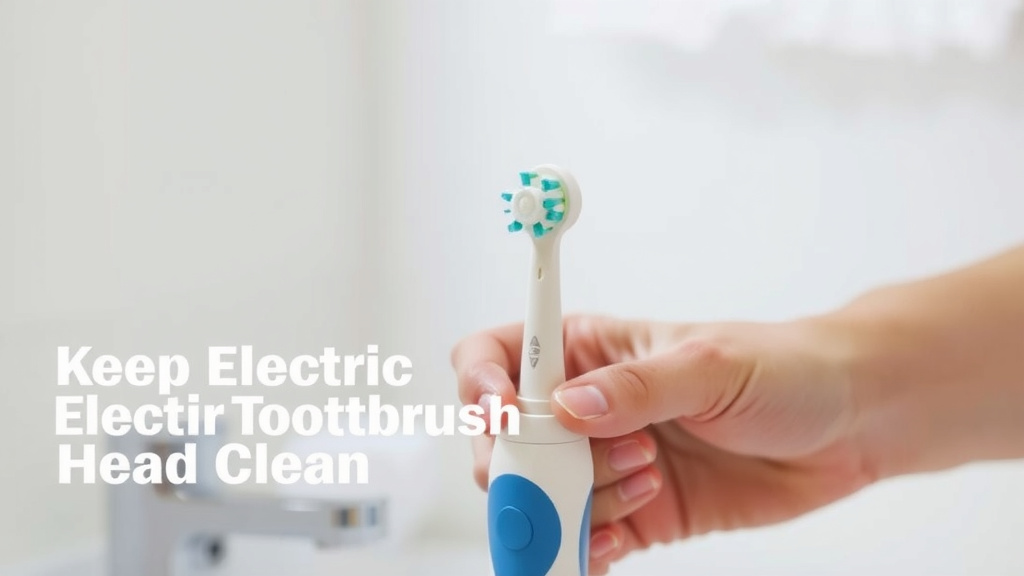
After you finish brushing your teeth, take the brush head off the handle. Hold it under a stream of warm running water. Gently move it around to ensure the water reaches all the bristles and the base where the head connects. This helps dislodge any lingering toothpaste or debris. A good rinse can take about 20-30 seconds. It sounds like a small thing, but it makes a big difference.
Shake It Off!
Once you’ve given it a good rinse, don’t just leave it dripping. Give the brush head a good, firm shake. You can do this over the sink. This simple action removes excess water. Less water means faster drying. And faster drying means less chance for bacteria to grow. It’s a tiny habit that pays off in hygiene.
Air Drying is Your Best Friend
After shaking off the excess water, let your toothbrush head air dry completely. The best place to store it is upright, in a holder. Make sure it’s not touching other brushes or anything else. This allows air to circulate around it. Avoid placing it in closed containers or drawers. Damp, enclosed spaces are breeding grounds for unwanted microbes. Many experts recommend storing your toothbrush in an open environment (CDC).
Weekly Deep Cleaning: For Extra Sparkle
While daily rinsing is essential, a weekly deep clean can tackle any stubborn residue. This is especially helpful if you notice any discoloration or a slight odor. It’s like giving your toothbrush head a spa day! This process helps maintain optimal performance and cleanliness.
The Gentle Soak Method
One effective method is a gentle soak. You can use a small cup or bowl for this. Fill it with warm water. Some people add a drop of mild dish soap or a tiny bit of hydrogen peroxide. However, plain warm water often suffices for most people. Submerge the brush head for about 10-15 minutes. This helps loosen any dried-on toothpaste or mineral deposits. Remember to rinse it thoroughly again after soaking.
Using an old Toothbrush for Cleaning
For any hard-to-reach spots, an old, clean toothbrush can be your secret weapon. After soaking, or even as part of your weekly routine, use the old toothbrush to gently scrub around the bristles and the base of the brush head. Be careful not to damage the bristles. This helps remove any gunk that the soaking might have loosened. You want to be thorough but gentle.
Common Mistakes to Avoid
Even with good intentions, some common practices can actually harm your toothbrush head or make it less hygienic. Being aware of these can save you trouble down the line. Your smile deserves the best, and that starts with a clean tool!
The “Sharing is Caring” Fallacy
Never share electric toothbrush heads. Period. Even if you rinse it thoroughly, it’s a personal item. Sharing can transfer bacteria and viruses. This is a serious hygiene no-no. Stick to your own brush head for your own mouth. It’s one of the simplest ways to protect your health.
Don’t Let it Drip-Dry on the Counter
Leaving your toothbrush head on the counter after rinsing, while it’s still wet, is not ideal. This allows moisture to sit around the base. It can lead to mildew or bacterial growth. Always ensure it’s stored upright and allowed to air dry properly. This prevents unnecessary contamination. Think of it as giving it a proper resting place.
The Microwave Myth
You might have heard about microwaving toothbrush heads to sterilize them. Please, don’t do this. Microwaving can damage the plastic and bristles of your toothbrush head. It’s not an effective or safe method for cleaning. Stick to water-based methods. Your toothbrush and your microwave will thank you!
When to Replace Your Brush Head
Even with the best cleaning routine, electric toothbrush heads don’t last forever. They wear out. Experts and dentists recommend replacing them regularly. This ensures you’re always brushing effectively. Worn bristles can’t clean your teeth properly.
How often should you replace them? Most manufacturers suggest every three months. However, you might need to replace them sooner. If you notice the bristles are frayed, splayed out, or discolored, it’s time for a change. Some electric toothbrushes even have indicator bristles that fade to signal replacement time. Don’t wait too long; a fresh head means a better clean (American Dental Association).
Cost-Saving Tip: Buying in Bulk
Brush heads can add up in cost. A smart way to manage this is to buy them in multi-packs. You can often find packs of four or six heads at a lower price per head than buying singles. Just make sure you have a clean, dry place to store them until you need them. This saves money and ensures you always have a fresh one ready.
Is It Time for a New Head? A Quick Checklist
- Bristles are visibly frayed or splayed.
- Bristles have lost their color or are stained.
- The brush head feels less effective when brushing.
- It’s been three months or more since your last replacement.
- Your toothbrush handle indicates it’s time for a change.
By following these simple steps, you can ensure your electric toothbrush head stays clean, hygienic, and effective. It’s a small effort for a big reward: a healthier smile!
Conclusion
You’ve learned how simple steps can make a big difference in keeping your electric toothbrush head clean and hygienic. Remember, a quick rinse after each use, a good shake, and proper air drying are your daily essentials. Occasional deep cleans and knowing when to replace your head further protect your oral health. By incorporating these practices, you’re ensuring your toothbrush works its best for a healthier, brighter smile. So, make that quick rinse a habit – your mouth will thank you!
Frequently Asked Questions
Can I use mouthwash to clean my electric toothbrush head?
While mouthwash can kill germs, it’s generally not recommended for daily cleaning of your electric toothbrush head. The alcohol and other ingredients can sometimes be harsh on the bristles and plastic over time. Plain water is usually sufficient for daily rinsing and a mild soap or hydrogen peroxide soak for deeper cleaning.
What if my electric toothbrush head looks discolored?
Discoloration can sometimes be a sign of built-up toothpaste residue or mineral deposits, especially if you have hard water. A weekly gentle soak in warm water, or with a tiny drop of mild dish soap, can help lift these stains. If the discoloration persists and the bristles seem worn, it’s likely time for a replacement.
Is it okay to store my electric toothbrush head in a travel case?
Travel cases are great for protecting your toothbrush head on the go. However, avoid storing it in a damp case for extended periods. Always ensure the brush head is completely dry before placing it in any container to prevent mildew and bacterial growth. Air drying is always the best option when possible.
How do I clean the part where the brush head connects to the handle?
After removing the brush head, use a damp cloth or a cotton swab to gently wipe around the metal shaft and the base where the head attaches. Be careful not to get excess water into the electronic handle itself. This area can accumulate toothpaste residue, so a quick wipe-down is a good idea.
Can I boil my electric toothbrush head to sanitize it?
No, you should never boil your electric toothbrush head. The high heat can damage the plastic components and the bristles, rendering them less effective and potentially harmful. Stick to gentle rinsing, air drying, and occasional mild soaks for cleaning.