Battery Toothbrush vs Electric Toothbrush: Which Is Worth the Money?
Let me be honest with you—when I stood in the dental aisle last year staring at rows of toothbrushes, I felt completely overwhelmed. There were battery-powered options, electric ones with fancy features, and everything in between. I found myself asking the same question you probably are right now: which one actually deserves a spot in my bathroom and, more importantly, my budget?
The truth is, this isn’t a simple yes or no answer. Your choice between a battery toothbrush and an electric toothbrush depends on several factors that are unique to your situation. Let’s dig into this together and figure out what makes sense for your dental health and wallet.
Understanding the Basic Differences
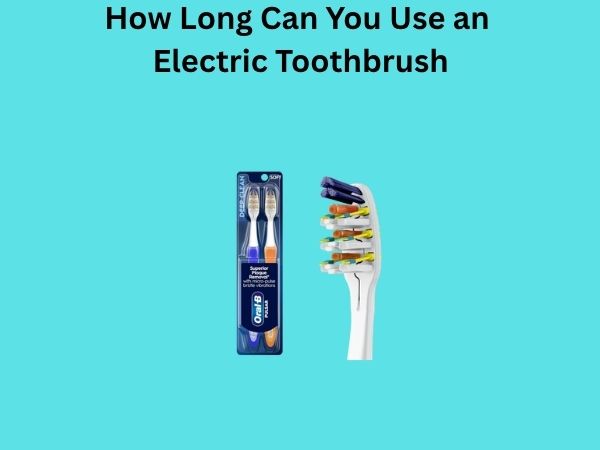
Before we compare these two options, we need to understand what we’re actually dealing with. Think of a battery toothbrush as the middle ground between a manual toothbrush and a true electric one. It’s not quite manual because it has some motorized power, but it’s not as sophisticated as a rechargeable electric toothbrush either.
What Exactly Is a Battery Toothbrush?
A battery toothbrush operates using replaceable or disposable batteries, typically AA or AAA sizes. These devices deliver vibrations or oscillations to your brush head at a set frequency. When you turn it on, the battery powers a small motor that makes the bristles vibrate. You essentially hold it against your teeth and let the vibration do the work, though you still need to guide it properly.
The interesting thing about battery toothbrushes is that they bridge the gap between manual and electric options. They require minimal effort from you while remaining affordable and convenient.
What Defines a True Electric Toothbrush?
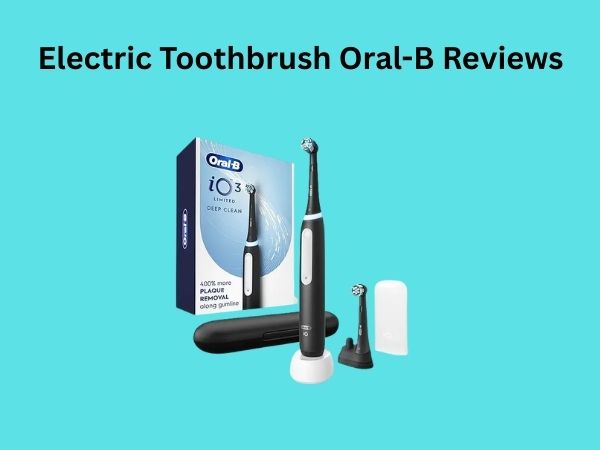
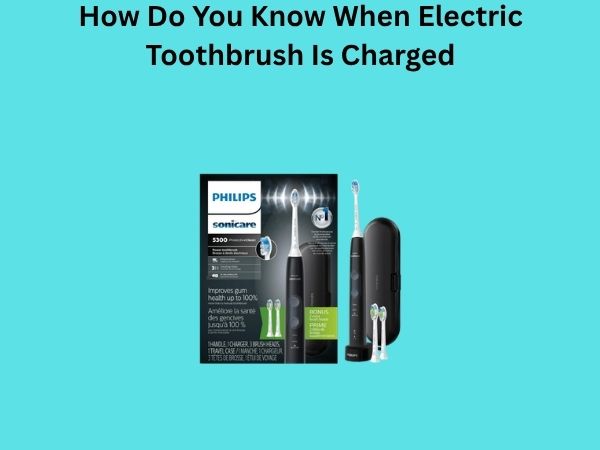
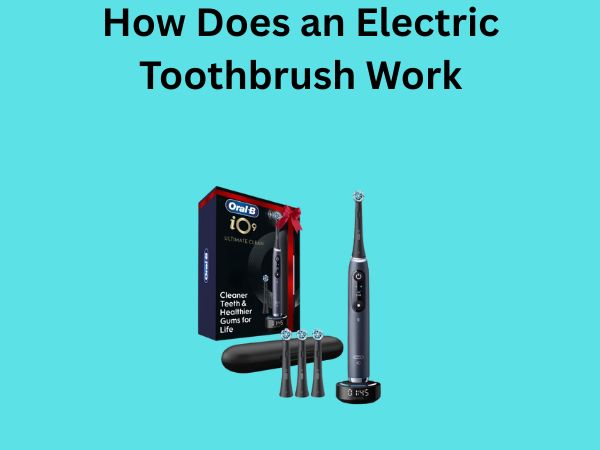
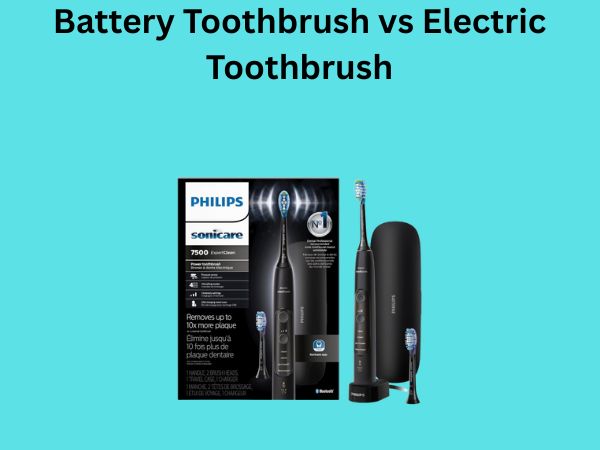
Electric toothbrushes, on the other hand, are rechargeable devices powered by built-in lithium-ion batteries. These babies come loaded with technology—we’re talking about multiple brushing modes, pressure sensors, timers, and some even connect to your smartphone. They deliver more vibrations per minute than their battery-powered cousins and often feature sophisticated cleaning patterns.
The motor in a rechargeable electric toothbrush is typically more powerful and more precise. Some use oscillating movements, others use sonic vibrations, and premium models combine multiple cleaning actions simultaneously.
Cost Comparison: Initial Investment and Long-Term Expenses
Let’s talk money, because I know that’s probably your biggest concern. This is where the decision gets interesting.
Upfront Costs
Battery toothbrushes are significantly cheaper upfront. You can grab a decent one for anywhere between $10 and $30. Some budget options cost even less, and premium battery toothbrushes might reach $50, but that’s rare.
Rechargeable electric toothbrushes demand a higher initial investment. You’re looking at $40 to $60 for entry-level models, and the really good ones? They can cost $150 to $300 or more. That’s a substantial difference right out of the gate.
Ongoing Replacement and Battery Costs
Here’s where the long-term math gets interesting. Battery toothbrushes need fresh batteries constantly. If you replace your toothbrush head every three months (as dentists recommend) and buy new batteries several times a year, those costs add up surprisingly fast.
Let’s do some quick math: if batteries cost you about $5-$10 per month, that’s roughly $60-$120 annually just for batteries. Over five years, you’re spending $300-$600 on batteries alone. Add in the cost of replacement heads and multiple toothbrush replacements, and your “cheap” battery option becomes less economical.
Rechargeable electric toothbrushes, conversely, need charging but no battery replacements. You spend money on replacement heads (similar to battery models), but there’s no constant drain of buying new batteries. Over five years, this typically works out cheaper despite the higher initial cost.
Replacement Head Expenses
Both options require replacement heads every three months. These typically cost $15-$30 per head depending on the brand and quality. This expense is essentially equal for both types, so it doesn’t really influence your decision.
Cleaning Effectiveness: Does One Actually Work Better?
Now, this is the question that matters most. What good is saving money if your teeth aren’t getting clean?
Brushing Speed and Frequency
Battery toothbrushes typically vibrate at 2,000 to 3,000 times per minute. That might sound impressive until you compare it to rechargeable electric toothbrushes, which often vibrate at 5,000 to 40,000 times per minute depending on the model and mode.
This dramatic difference means that electric toothbrushes can remove more plaque and debris in the same amount of time. Your teeth essentially get a more thorough cleaning with less effort on your part.
Brushing Pattern and Technology
This is where rechargeable electric toothbrushes really shine. Many feature sophisticated algorithms that guide your brushing. Some oscillate side-to-side, others use circular motions, and premium models combine multiple patterns. Some even have pressure sensors that alert you if you’re brushing too hard, which can protect your gums.
Battery toothbrushes typically offer a single, fixed vibration pattern. There’s no adaptation, no intelligence built in—just steady vibrations. Your technique still matters significantly with these models.
What Research Actually Shows
Dental studies generally indicate that electric toothbrushes remove plaque more effectively than manual brushing. However, the gap between battery toothbrushes and rechargeable electric ones is less clear-cut. Some research suggests better results with rechargeable models, particularly for people with limited dexterity or those prone to gum disease.
The honest truth? If you use either option correctly and maintain good brushing habits, both can keep your teeth clean. The difference isn’t dramatic for the average person with good oral hygiene habits.
Convenience and Ease of Use
Let’s discuss the practical, day-to-day experience of using these devices.
Battery Toothbrush Convenience
Battery toothbrushes are supremely convenient in one specific way: they’re always ready to go. No charging required. Pick it up, press the button, and start brushing. This is perfect for travel, camping, or anyone who forgets to charge devices regularly.
However, the convenience vanishes when batteries die mid-brush or when you run out of replacements. There’s nothing worse than reaching for your toothbrush and finding it dead, knowing you have no backup batteries in the house.
Electric Toothbrush Convenience
Rechargeable electric toothbrushes require planning. You need to charge them regularly, ideally daily or every few days. This means you need to establish a routine and remember to plug them in.
The upside? Once charged, they’re reliable. Most modern electric toothbrushes hold their charge for weeks. They’re travel-friendly if you pack the charger, though that’s an extra item to remember.
Learning Curve and Technique
Battery toothbrushes are intuitive. Since they vibrate at lower frequencies, you still need to use proper brushing technique. The learning curve is minimal because it’s similar to manual brushing.
Rechargeable electric toothbrushes sometimes require learning. Some models work better if you simply hold them against your teeth rather than scrubbing. It takes a few days to a week to adjust, but most people find it easier once they get used to it.
Durability and Reliability
How long will these devices actually last before they become expensive paperweights?
Battery Toothbrush Lifespan
Battery toothbrushes are mechanically simpler, which means fewer things can break. The vibration mechanism is straightforward and durable. Most battery toothbrushes last several years with normal use.
The trade-off is that they often feel less premium. The plastic feels cheaper, and they might seem less durable than they actually are. In reality, many budget battery toothbrushes are surprisingly robust.
Electric Toothbrush Durability
Rechargeable electric toothbrushes are more complex with sophisticated motors and electronics. This complexity means more potential failure points. However, quality brands stand behind their products with warranties, typically 1-2 years.
The good news is that modern rechargeable toothbrushes are built to last. Most quality models continue functioning well for 3-5 years. The battery might degrade over time, but the device remains usable.
Special Populations: Who Benefits Most From Each Option?
Not everyone has the same needs or preferences. Your situation might make one option significantly better than the other.
Battery Toothbrushes Are Better If You…
- Travel frequently and want a device that needs no charging
- Have a tight budget and need the lowest upfront cost
- Live in areas with unreliable electricity
- Forget to charge devices regularly
- Prefer simplicity with minimal learning curve
- Have naturally strong brushing technique
- Are environmentally conscious about battery waste (though rechargeable is actually greener long-term)
Electric Toothbrushes Are Better If You…
- Have limited dexterity or arthritis affecting hand control
- Have gum disease or sensitive gums requiring gentle care
- Want the most advanced cleaning technology available
- Don’t mind spending more for potentially better results
- Are willing to establish a charging routine
- Want features like pressure sensors or multiple brushing modes
- Plan to use the device for several years
Environmental Impact: The Sustainability Question
It’s worth considering the environmental footprint of your choice, especially if you’re environmentally conscious.
Battery Toothbrush Environmental Cost
Battery toothbrushes generate considerable battery waste. Over five years, you’re disposing of dozens of used batteries. Even with recycling programs, this represents significant environmental impact. The manufacturing process for all those batteries requires resources and energy.
Plus, the toothbrush itself might end up in landfills when it dies, though some components might be recyclable depending on your local facilities.
Electric Toothbrush Environmental Cost
Rechargeable electric toothbrushes eliminate the battery waste problem entirely. You’re recharging the same battery hundreds of times instead of discarding dozens of disposable ones.
The drawback is the energy required for charging, though this is minimal—far less than manufacturing and disposing of replacement batteries. Most environmental analyses favor rechargeable options for this reason.
Making Your Decision: A Practical Framework
After all this information, how do you actually choose? Let me give you a decision framework.
Ask Yourself These Questions
- How much money can I comfortably spend right now?
- Do I regularly remember to charge electronic devices?
- Do I travel frequently without access to power outlets?
- Do I have any dental issues like gum disease that might benefit from advanced technology?
- How long do I plan to keep this toothbrush?
- Is environmental impact important to my decision?
- Do I prefer simplicity or advanced features?
The Budget-Conscious Choice
If your budget is tight and you need something today, a battery toothbrush gets you started for minimal investment. However, calculate the long-term cost before deciding. If you plan to keep it more than two years, the math might actually favor an electric toothbrush from a discount brand.
The Best Overall Value
In my honest assessment, a mid-range rechargeable electric toothbrush represents the best overall value. You’ll spend $50-$80 upfront but save money on batteries over time while enjoying superior cleaning technology. Brands like Oral-B and Sonicare offer solid models in this range.
Conclusion
So, which is worth the money—battery or electric?
The truth is, there’s no universal answer. A battery toothbrush makes sense if you travel constantly, forget to charge devices, or genuinely can’t afford the upfront investment. It’s a legitimate option that works perfectly fine for maintaining oral health.
A rechargeable electric toothbrush makes sense if you want the best cleaning technology, plan to use it for multiple years, have any dental concerns, or simply prefer the convenience of not buying batteries constantly.
From a pure value perspective, rechargeable electric toothbrushes win over five-year periods. From an immediate convenience perspective, battery toothbrushes have their place. The best choice is the one that fits your life, your budget, and your dental needs.
Whatever you choose, the most important thing is that you’re using it consistently and with proper technique. A battery toothbrush used religiously beats a fancy electric toothbrush sitting unused on a shelf. Make your decision, commit to it, and enjoy cleaner teeth.
Frequently Asked Questions
Are battery toothbrushes as effective as electric rechargeable ones?
Battery toothbrushes can be effective for maintaining oral health, but rechargeable electric toothbrushes generally remove slightly more plaque due to higher vibration frequencies and more sophisticated brushing patterns. However, the difference isn’t dramatic for someone with good brushing technique. Both options work well—it depends on your specific needs and any dental conditions you might have.
How often should I replace my toothbrush, whether battery or electric?
Dentists recommend replacing your toothbrush head every three months, or sooner if the bristles become frayed or damaged. This applies to both battery and rechargeable electric toothbrushes. The handle or main unit lasts much longer—typically several years if properly maintained.
Can you use a battery toothbrush if you have sensitive teeth?
Yes, you can use a battery toothbrush with sensitive teeth, but rechargeable electric toothbrushes are often better for this issue. Many electric models include a sensitive mode with gentler vibrations and pressure sensors that prevent over-brushing. If you have sensitive teeth, look for a battery toothbrush with variable vibration settings, though these are less common.
Are electric toothbrushes worth the cost for children?
Electric toothbrushes can be good for children, especially those who struggle with proper brushing technique. However, many children do fine with quality manual or battery toothbrushes. Battery options are safer for young children since there’s no risk of the rechargeable battery failing or the device breaking during play. Consult with your pediatric dentist about what’s best for your child’s age and needs.
What’s the best way to store a battery toothbrush versus an electric one?
Store battery toothbrushes upright in a cup or holder, allowing them to dry completely between uses. Keep them away from excessive moisture. For rechargeable electric toothbrushes