How Do You Know When Your Electric Toothbrush Is Dying: A Complete Guide to Spotting the Signs
Your electric toothbrush has been your faithful companion in your oral care routine for months, maybe even years. But lately, something feels off. The vibrations seem weaker, the battery drains faster, and you’re wondering if it’s finally time to say goodbye. If you’ve ever found yourself asking, “Is my electric toothbrush actually dying?” then you’re in the right place. I’m going to walk you through everything you need to know about recognizing when your trusted device is on its last legs.
Understanding Your Electric Toothbrush Before It Fails
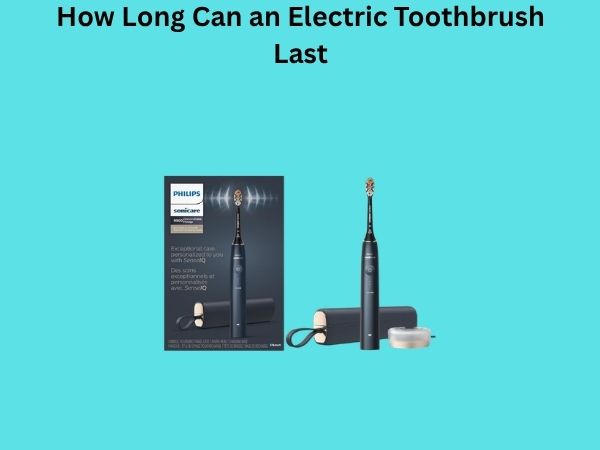
Before we dive into the warning signs, let’s talk about what makes an electric toothbrush tick. Think of your electric toothbrush like a car—it has moving parts, a battery system, and regular wear and tear. Just as you wouldn’t expect a car to run perfectly forever without maintenance, you shouldn’t expect your toothbrush to perform flawlessly indefinitely. Most quality electric toothbrushes last between three to five years with proper care, though some premium models might stretch a bit longer.
The lifespan depends on several factors including how often you use it, how well you maintain it, and the quality of the device itself. Understanding these basics helps you know what to expect and when to start watching for trouble.
The Battery Problem: When Your Toothbrush Loses Its Power
The battery is often the first component to fail in an electric toothbrush, and it’s usually the biggest culprit behind a dying device. Let me explain what’s happening inside that little brush head.
Decreased Battery Life and Charge Duration
One of the most obvious signs that your electric toothbrush is dying is when the battery doesn’t hold a charge like it used to. You remember charging it once a week and it would last the entire seven days. Now you’re charging it every two or three days, and it’s still running low. This is a classic indicator that the lithium-ion battery is degrading.
Here’s what’s happening: every time you charge a rechargeable battery, it goes through a cycle. Over time, these cycles reduce the battery’s capacity to store energy. It’s like filling a cup that slowly develops tiny cracks—eventually, it can’t hold as much water anymore, no matter how much you pour in.
Rapid Battery Drain During Use
If your toothbrush powers off much faster than it did when you first bought it, you’re experiencing another sign of battery failure. A healthy electric toothbrush should give you a full two-minute brushing session on a single charge. If you’re lucky to get 30 seconds to a minute before it dies, something is definitely wrong with the battery.
The Toothbrush Won’t Hold a Charge at All
This is the point of no return. You charge your toothbrush overnight, and by morning, it’s completely dead. Or worse, you plug it in and nothing happens—there’s no indicator light, no vibration, nothing. When you’ve reached this stage, you’re basically looking at a brick that used to clean your teeth.
Weak Vibrations: When Your Brush Loses Its Buzz
The whole purpose of an electric toothbrush is its vibration power. If that’s fading, you’ve got a real problem.
Noticeably Reduced Oscillation Strength
You’ll start to notice that the vibrations aren’t as strong as they used to be. The brush head moves slower, feels less aggressive against your teeth, and frankly, doesn’t feel like it’s doing much cleaning anymore. This loss of power can come from either motor degradation or battery issues—sometimes both.
Think of it this way: imagine a massage chair that’s losing its intensity. At first, it’s a minor difference, but over time, it barely tickles. That’s what’s happening to your electric toothbrush.
Intermittent Power Issues
Does your toothbrush work fine sometimes but then cuts out randomly during use? Or does it need to be positioned just right before it starts vibrating? These intermittent power issues suggest internal connection problems or motor wear. This is actually one of the most frustrating signs because the device isn’t completely dead—it’s just unreliable.
Physical and Audio Signs Your Toothbrush Is Failing
Sometimes, your electric toothbrush will literally show you it’s dying through physical or auditory cues.
Unusual Noises During Operation
A healthy electric toothbrush makes a consistent humming or buzzing sound. If you start hearing grinding, rattling, or squeaking, something inside is wearing out. These noises indicate that internal components are rubbing together in ways they shouldn’t be. It’s like hearing knocking in your car engine—it’s definitely a red flag.
Pay attention to whether the noise is constant or intermittent. Both are bad signs, but constant noise suggests more advanced deterioration.
Visible Cracks or Damage to the Handle
If you’ve dropped your toothbrush or it’s been exposed to water damage, cracks in the handle can lead to moisture seeping into the electronics. Even tiny cracks can cause major problems because electric toothbrushes and water damage don’t mix well. If you see any visible damage, especially near seams or the charging port, it’s likely the beginning of the end.
The Charging Port Acting Up
Does your toothbrush charge inconsistently? Do you have to wiggle the charger or position it at a specific angle? A failing charging port might be your issue. The connection points can become corroded or worn, preventing proper energy transfer to the battery. This is frustrating because your toothbrush might work fine, but you can’t reliably charge it anymore.
Performance Decline: When Cleaning Isn’t What It Was
Beyond the mechanical issues, you’ll notice your toothbrush simply isn’t cleaning as well.
Visible Plaque Buildup Despite Regular Brushing
If you’re using your toothbrush the same way you always have, but you’re noticing more plaque on your teeth, your brush is likely losing its effectiveness. A dying toothbrush with reduced vibration power just isn’t reaching the same level of cleaning performance. You might feel this especially along the gum line, where the brush needs adequate power to be truly effective.
Gum Sensitivity Changes
Interestingly, a dying toothbrush might cause your gums to become either less irritated or more irritated, depending on what’s wrong. If the vibrations are so weak that you’re pressing harder to compensate, you might experience increased gum sensitivity. Conversely, if the motor is grinding or moving erratically, it might irritate your gums differently than before.
Software and Feature Failures in Smart Toothbrushes
If you have one of the newer smart electric toothbrushes, there are additional signs of failure related to their electronic features.
Bluetooth Connectivity Issues
Can’t sync your toothbrush with your phone app anymore? The Bluetooth module might be failing. This doesn’t necessarily mean the physical brushing action is compromised, but it does indicate electronic degradation is happening.
App No Longer Recognizes the Device
If the associated smartphone app keeps saying your device is offline or can’t be found, even though the toothbrush seems to work physically, the internal electronics are likely failing. This is especially true if nothing you do—restarting the app, resetting the toothbrush, or re-pairing—seems to fix the issue.
Loss of Smart Features
Features like pressure sensors, brushing mode selections, or timer functions might stop working correctly. You might press the button to switch to a sensitive mode, but the vibration pattern doesn’t change, or the timer no longer beeps when two minutes are up.
The Age Factor: How Old Is Too Old?
Here’s a question to ask yourself: just how old is your toothbrush?
If your electric toothbrush is five years or older, you’re in borrowed time territory. Even without obvious signs of failure, the components inside are naturally degrading. Think of it like how a smartphone slows down after a few years of use—it’s just the nature of electronics.
If your toothbrush is three to five years old and showing any of the signs I’ve mentioned, it’s definitely worth considering a replacement sooner rather than later. You don’t want to wake up one morning and realize your brush is completely dead before you’ve brushed your teeth.
Signs of Manufacturer Defects vs. Normal Wear
Not all failures are due to normal aging. Sometimes you get a lemon.
Early Failure Despite Light Use
If your toothbrush is only a year or two old and already showing signs of severe deterioration despite careful use, you might have a defective unit. Some people get unlucky with manufacturing quality. In this case, you might be eligible for a warranty replacement from the manufacturer.
Sudden Complete Failure
A healthy toothbrush doesn’t usually go from perfect to completely dead overnight. If yours does, it might be a manufacturing defect rather than gradual wear. This is actually worth reaching out to customer service about, especially if you’re still within the warranty period.
How to Extend Your Electric Toothbrush’s Life
Now that you know what to look for, let me share some ways to keep your current toothbrush running longer before you need to replace it.
Proper Charging Habits
Don’t leave your toothbrush plugged in 24/7. Modern toothbrushes have smart charging that should prevent overcharging, but why stress the battery more than necessary? Charge it fully once or twice a week and unplug it when done. Avoid letting it completely drain before charging—try to charge when the battery gets to around 20 percent.
Keep It Dry
Always ensure the charging port and seams are completely dry before charging. Moisture is the enemy of electronics. After brushing, let the brush head dry thoroughly, and store it upright so water doesn’t accumulate at the base.
Handle With Care
Your toothbrush might seem indestructible, but it’s not. Avoid dropping it, don’t apply excessive pressure while brushing, and store it somewhere safe where it won’t get knocked over. Treat it like the small electronic device it actually is.
Replace the Brush Head Regularly
A worn brush head doesn’t clean as effectively, which might make you think your whole toothbrush is dying when really just the head needs replacing. Change your brush head every three months, as dentists recommend.
Should You Repair or Replace?
When you notice your toothbrush is dying, you have two main options: repair it or replace it.
When Repair Makes Sense
Repair might make sense if your toothbrush is relatively new and the problem is something simple like a charging port issue that a professional can fix affordably. If you’re still within warranty, absolutely pursue repair through the manufacturer.
When Replacement Is Better
If your toothbrush is three or more years old, the repair cost might approach the price of a new one. In that case, replacement is usually smarter. Plus, newer models often have better technology, improved battery life, and enhanced cleaning capabilities.
Choosing Your Next Electric Toothbrush
If you’ve determined your current toothbrush is indeed dying, use this opportunity to upgrade to something better. Look for models with strong warranty coverage, proven reliability from reputable brands, and features that match your needs. Whether you want a simple, effective brush or a high-tech smart toothbrush with app connectivity is entirely up to you—just make sure you’re getting quality that will last several years.
Conclusion
Knowing when your electric toothbrush is dying comes down to recognizing a combination of signs: weak or failing battery performance, reduced vibration strength, unusual noises, visible damage, decreased cleaning effectiveness, and feature failures in smart models. While a well-maintained electric toothbrush can last three to five years, pay attention to these warning signs and don’t ignore them. When your toothbrush reaches the end of its life, replacing it promptly ensures you maintain good oral hygiene and don’t end up scrambling for alternatives. By understanding these signs and taking good care of your device, you’ll know exactly when it’s time to make the switch and can enjoy the improved cleaning power that a fresh toothbrush provides.
Frequently Asked Questions
Can I replace just the battery in my electric toothbrush?
In some cases, yes, but it depends on your toothbrush model and design. Many modern electric toothbrushes have sealed batteries that aren’t user-replaceable. Some older or premium models might allow battery replacement, but it often requires professional service. Before assuming battery replacement is possible, check your toothbrush’s manual or contact the manufacturer. Many people find that replacement is more practical than attempting a DIY battery swap.
How long do electric toothbrush batteries typically last?
Most electric toothbrush batteries last between 300 and 500 charging cycles, which typically translates to three to five years of regular use. This assumes proper charging habits and care. If you charge your toothbrush daily, you might see battery degradation sooner than someone who charges it less frequently. Premium models sometimes use higher-quality batteries that can last longer, potentially extending your toothbrush’s useful life.
Is it safe to use an electric toothbrush that’s showing signs of failure?
This depends on what kind of failure you’re experiencing. A toothbrush with weak vibrations is still safe but just less effective. However, if there’s visible cracks near the handle, moisture damage, or the charging port is corroded, you should stop using it immediately. Water exposure to damaged areas could potentially cause problems. When in doubt, it’s safer to replace the toothbrush than to risk electrical issues.
What’s the difference between a toothbrush that’s worn out versus one with a manufacturing defect?
Normal wear happens gradually over months and years—you’ll notice a slow decline in performance. A manufacturing defect usually shows itself within the first year or two with sudden failure despite careful use. If your toothbrush fails suddenly or early in its life, contact the manufacturer about warranty coverage. Gradual decline is just normal aging of the device.
Can I revive a dead electric toothbrush battery?
Unfortunately, once a lithium-ion battery has significantly degraded, you can’t really revive it back to original capacity. Some people claim that completely draining and then fully charging a battery can help, but this rarely works and can actually stress the battery more. Once a battery has reached the end of its life, replacement or purchasing a new toothbrush is your best option.
“`