Battery vs Electric Toothbrush: A Complete Guide to Finding Your Perfect Match
When you’re standing in the oral care aisle staring at rows of toothbrushes, you might find yourself wondering what all the fuss is about. Why do some people swear by electric options while others stick with traditional manual brushing? The truth is, choosing between a battery-powered toothbrush and a fully electric one isn’t as straightforward as flipping a coin. There are real differences that could affect your dental health, your wallet, and your daily routine. Let me walk you through everything you need to know.
Understanding the Basic Differences
Before we dive deep into the comparison, let’s establish what we’re actually talking about here. When people mention a “battery” toothbrush, they’re typically referring to electric toothbrushes powered by replaceable or rechargeable batteries. An electric toothbrush, on the other hand, is a broader category that includes both battery-powered models and rechargeable ones with built-in lithium-ion batteries. Think of it this way: all battery toothbrushes are electric, but not all electric toothbrushes rely on replaceable batteries.
What Makes an Electric Toothbrush Electric?
The core difference lies in the oscillation and vibration technology. Electric toothbrushes use motors that create rapid movements—anywhere from 3,000 to 40,000 strokes per minute, depending on the model. This is significantly faster than what you can achieve with manual brushing, where most people manage around 300 strokes per minute. That speed difference is kind of like comparing a hand-washed car to one that’s been through an automated wash with multiple brush systems working simultaneously.
Battery-Powered Toothbrushes: The Traditional Electric Option
Battery-powered electric toothbrushes have been around for decades, and for good reason. They represent a middle ground between traditional manual brushing and high-tech rechargeable options.
How Battery-Powered Toothbrushes Work
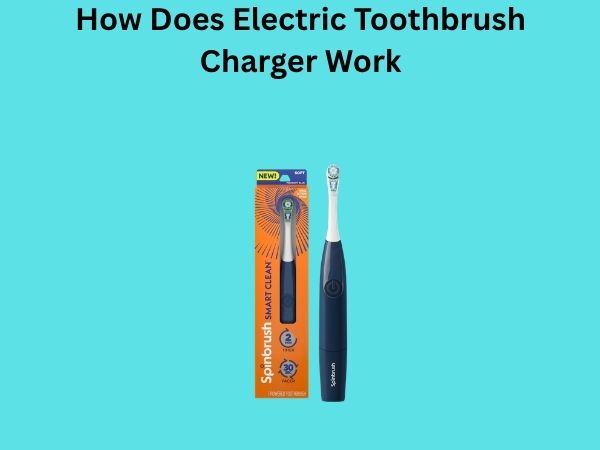
These models operate using standard AAA or AA batteries, or in some cases, coin-cell batteries housed within the brush handle. The battery powers a small motor that creates vibrations at a consistent rate. Most battery-powered toothbrushes operate at around 3,000 to 5,000 vibrations per minute, which is still considerably faster than manual brushing but slower than premium rechargeable models.
Advantages of Battery-Powered Toothbrushes
- Affordability: Battery toothbrushes typically cost between fifteen and fifty dollars, making them accessible for most budgets. Rechargeable models can cost anywhere from sixty dollars to several hundred, which is a significant jump.
- Convenience of Power Sources: You’re never truly stuck without a toothbrush. If your battery dies, you can grab any standard battery from around your house or pick some up at any convenience store. This makes them perfect for traveling without worrying about finding electrical outlets.
- No Charging Required: There’s no waiting for your brush to charge overnight. Simply pop in a new battery and you’re ready to go immediately. This appeals to people who are perpetually forgetful about charging devices.
- Lower Environmental Impact (Potentially): Depending on the brand, some battery toothbrushes are designed to be long-lasting, and if you use rechargeable batteries, you reduce waste significantly compared to constantly buying new toothbrushes.
- Simplicity: Battery toothbrushes have fewer components to worry about. There’s no charging dock to lose, no complicated smart features to learn, and minimal electronics that could malfunction.
- Instant Replacement: If your toothbrush breaks, you can grab another inexpensive one without the buyer’s remorse that might come with losing a hundred-dollar investment.
Disadvantages of Battery-Powered Toothbrushes
- Battery Costs Add Up: While the initial purchase is cheap, you’ll be buying batteries regularly. Over the course of several years, this expense can exceed the cost of a rechargeable brush.
- Performance Degradation: As batteries drain, the vibration intensity decreases. You might not notice it happening gradually, but you’re getting less effective cleaning as the battery weakens.
- Lower Vibration Speed: Most battery toothbrushes max out at 5,000 vibrations per minute, which is less than half the speed of premium rechargeable models. This means fewer strokes and potentially less plaque removal.
- Environmental Waste: If you’re not using rechargeable batteries, you’re creating significant electronic waste. Disposable batteries can take decades to decompose and contain harmful materials.
- Less Advanced Features: Battery toothbrushes rarely come with smart sensors, pressure warnings, or app connectivity. You get basic oscillation and that’s about it.
- Inconsistent Quality: The market is flooded with battery toothbrushes of varying quality. Many cheap models are poorly constructed and fail within months.
Rechargeable Electric Toothbrushes: The Premium Alternative
Rechargeable electric toothbrushes represent the cutting edge of oral care technology. These devices feature built-in rechargeable batteries and sophisticated cleaning technologies.
How Rechargeable Electric Toothbrushes Function
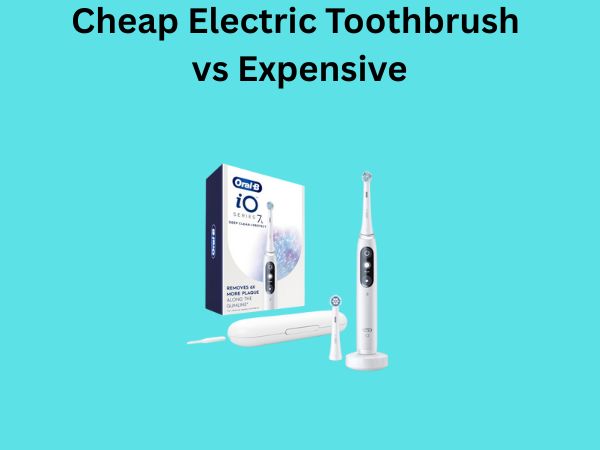
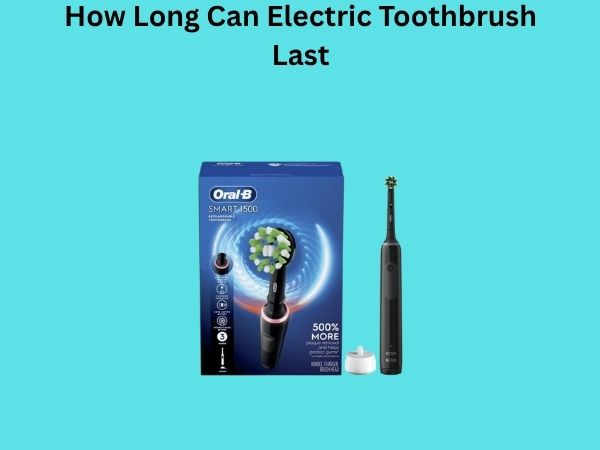
Rechargeable models contain a lithium-ion battery that powers a more sophisticated motor system. These brushes typically vibrate at 30,000 to 40,000 strokes per minute. Some premium brands use oscillating-rotating technology, which combines back-and-forth and circular motions, while others use sonic vibration patterns. The variety in technology is vast compared to the one-note approach of battery toothbrushes.
Advantages of Rechargeable Electric Toothbrushes
- Superior Cleaning Performance: The faster vibration rates mean more strokes per minute, which translates to more effective plaque removal. Research consistently shows that electric toothbrushes outperform manual brushing for reducing plaque and gingivitis.
- Consistent Power Delivery: Unlike battery models that weaken as they drain, rechargeable brushes maintain consistent power throughout the entire charge cycle. You get the same cleaning strength from your first brush to your last.
- Smart Technology Features: Many rechargeable models include pressure sensors that warn you if you’re brushing too hard, timers that ensure you brush for the recommended two minutes, and smartphone apps that track your brushing habits.
- Lower Long-Term Costs: While the initial investment is higher, you’ll spend far less on replacement batteries over the years. Most rechargeable toothbrushes last three to five years before needing replacement.
- Better for the Environment: Rechargeable batteries eliminate the need for disposable batteries. Charging uses significantly less energy than manufacturing and disposing of numerous disposable batteries.
- Multiple Cleaning Modes: Premium rechargeable brushes offer different settings for sensitive teeth, whitening, gum care, and daily cleaning. This customization allows you to tailor your cleaning to your specific needs.
- Improved Build Quality: Generally, rechargeable toothbrushes are manufactured to higher standards. The companies investing in rechargeable technology tend to produce more durable products.
Disadvantages of Rechargeable Electric Toothbrushes
- Higher Initial Cost: Quality rechargeable toothbrushes start around sixty dollars and can exceed three hundred dollars for premium models. This is a significant barrier for budget-conscious consumers.
- Charging Dependency: You must remember to charge your brush regularly. Forget to charge it, and you’re without your preferred cleaning tool. This can be problematic when traveling, especially if you don’t have access to the right outlet type.
- Battery Degradation Over Time: Lithium-ion batteries lose capacity with each charge cycle. After several years, you might notice your brush doesn’t hold a charge as long as it did originally.
- Repair Costs: If something goes wrong with your expensive rechargeable brush, repairs can be costly. The battery isn’t user-replaceable in most models, so you’re often looking at professional service or replacement.
- Replacement Head Costs: While not exclusive to rechargeable models, replacing brush heads for premium brands can be expensive, sometimes costing fifteen to thirty dollars per head.
- Learning Curve: Advanced features mean there’s more to learn. Some people find the multiple settings and technology features overwhelming rather than helpful.
- Traveling Challenges: The charging dock takes up space in your luggage, and different countries use different electrical standards, which can complicate international travel.
Comparing Cleaning Effectiveness
Here’s where things get interesting. Numerous dental studies have examined the effectiveness of battery versus rechargeable electric toothbrushes. The consensus is clear: higher-speed rechargeable models outperform battery-powered alternatives in reducing plaque and bleeding gums. However, this doesn’t mean battery toothbrushes are ineffective. A person who uses a battery toothbrush consistently and with proper technique will have better oral health than someone who manually brushes but does a poor job.
The Reality of Cleaning Power
Think about it like this: a battery toothbrush operating at 5,000 vibrations per minute is still delivering ten to fifteen times more movement than your manual hand brushing. That’s still a massive improvement over traditional methods. The difference between a battery toothbrush and a rechargeable one is less dramatic than the difference between any electric toothbrush and manual brushing.
Cost Analysis Over Time
Let’s get practical about money. Imagine you purchase a basic battery toothbrush for thirty dollars and replace it annually. Over five years, that’s one hundred fifty dollars in toothbrushes alone. Add in battery costs—let’s say five dollars per month—and you’re looking at another three hundred dollars. That’s four hundred fifty dollars total.
Now compare that to a rechargeable toothbrush. You purchase a mid-range model for one hundred dollars. It lasts five years. You might replace the brush head three or four times at twenty dollars each, adding up to eighty dollars. Over five years, you’re spending one hundred eighty dollars—less than half the cost of battery alternatives.
This calculation assumes you keep your rechargeable brush for the typical three to five-year lifespan. If you’re someone who loses things regularly or upgrades frequently, the math changes.
Dental Health Outcomes
What really matters is your dental health. Studies show that electric toothbrushes in general—whether battery or rechargeable—reduce plaque by approximately eleven percent more than manual brushing. For gingivitis reduction, the improvement is even more pronounced, around twenty-five percent.
Who Benefits Most From Each Type
Battery toothbrushes work best for:
- People with tight budgets who can’t afford a hundred-dollar-plus investment
- Those who frequently travel and don’t want to manage charging
- People who tend to lose or break things often
- Individuals who prefer simplicity and minimal technology
- Children whose preferences change frequently
Rechargeable toothbrushes work best for:
- People committed to optimal dental hygiene
- Those with gum disease or sensitivity issues who need advanced features
- People who value long-term cost savings
- Individuals who appreciate technology and smart features
- Anyone conscious about environmental impact
- People with braces or other dental work requiring superior cleaning
Special Considerations for Different Situations
Travel and Portability
Battery toothbrushes win decisively in travel scenarios. You’re never worried about finding an outlet or remembering to pack a charging cable. For business travelers or people who move frequently, this convenience factor is enormous.
Family Use
If you’re buying for a family with multiple children, battery toothbrushes make more sense financially. Kids lose toothbrushes, drop them, and generally put them through abuse. Losing a thirty-dollar brush is significantly less painful than losing a one-hundred-fifty-dollar investment.
Sensitive Teeth
People with genuinely sensitive teeth often benefit from the pressure sensors and gentle modes available on rechargeable toothbrushes. Battery toothbrushes offer only one speed, which might be too intense for sensitive individuals.
Orthodontic Treatment
If you or a family member has braces, the superior cleaning power of rechargeable toothbrushes becomes more valuable. Braces trap food and plaque easily, requiring more aggressive cleaning. The higher vibration speeds are beneficial in this situation.
Environmental and Sustainability Factors
The environmental case leans toward rechargeable toothbrushes, but it’s not straightforward. Yes, disposable batteries are wasteful and contain harmful materials. However, rechargeable toothbrushes contain lithium-ion batteries and electronics that also have environmental costs during manufacturing.
The break-even point is approximately eighteen months. After eighteen months of ownership, a rechargeable toothbrush becomes the more environmentally responsible choice because the manufacturing impact is offset by reduced battery waste.
The Importance of Technique Regardless of Type
Here’s something that often gets overlooked: no toothbrush, battery or rechargeable, can overcome poor brushing technique. You need to brush at a forty-five-degree angle to your gum line, clean all surfaces of each tooth, and avoid aggressive scrubbing. You should brush for at least two minutes twice daily.
Many people assume that buying an expensive electric toothbrush is a shortcut to better oral health. While technology helps, your personal habits matter more. A person with exceptional brushing technique using a battery toothbrush will have better outcomes than someone who carelessly uses a premium rechargeable model.
Making Your Decision: Key Questions to Ask Yourself
Before you make a purchase, honestly answer these questions:
- What’s my budget for both initial purchase and ongoing costs?
- How often do I travel, and would charging be inconvenient?
- Do I have specific dental concerns like sensitivity or gum disease?
- How important are smart features and technology to me?
- Am I likely to keep and maintain a toothbrush, or do I lose things frequently?
- How environmentally conscious am I?
- Do I prefer simplicity or am I comfortable with multiple settings?
Top Recommendations Based on Scenarios
Best for Budget-Conscious Consumers
Battery-powered electric toothbrushes are your answer. You get the benefit of electric cleaning without the premium price tag. Look for brands with solid reviews and ensure the toothbrush handle feels sturdy.
Best for Frequent Travelers
Battery toothbrushes again, for obvious reasons. You’ll never be stranded without a functioning brush, and you eliminate the need to pack charging equipment.
Best for Health-Conscious Individuals
Premium rechargeable toothbrushes like Oral-B or Sonicare justify their