How Long Can Electric Toothbrush Last? A Comprehensive Durability Guide
Have you ever wondered how long your electric toothbrush will actually stick around before it becomes nothing more than a drawer ornament? It’s a question that doesn’t get asked nearly enough, but it’s incredibly important for your wallet and your oral health routine. When you invest in an electric toothbrush—whether it’s a budget-friendly option or a premium model—you’re naturally curious about its lifespan and whether that investment will pay off over time.
The truth is, the longevity of an electric toothbrush depends on numerous factors. Some brushes might give you two solid years of reliable service, while others could last you five years or more. In this comprehensive guide, I’ll walk you through everything you need to know about electric toothbrush durability, maintenance tips, and how to maximize the life of your device.
Understanding Electric Toothbrush Lifespan: The Basics
Let me start by giving you the straightforward answer: most electric toothbrushes last between two and seven years, depending on the brand, model, and how well you take care of them. Think of it like owning a car—the better you maintain it, the longer it runs smoothly.
Electric toothbrushes are electronic devices with moving parts, batteries, and internal circuits. Unlike traditional manual toothbrushes that can last indefinitely (until the bristles wear out), electric toothbrushes have a finite lifespan because their components eventually deteriorate. The motor that powers the vibrations, the rechargeable battery, and the circuit board all have limited lifespans.
Budget-friendly models typically last around two to three years, while mid-range toothbrushes often reach four to five years. Premium brands known for durability can sometimes go seven years or beyond with proper care. It’s not magic—it’s simply better engineering and higher-quality components.
The Role of Battery Technology in Electric Toothbrush Durability
Rechargeable Batteries: The Heart of the Matter
The battery is genuinely the most critical component determining how long your electric toothbrush will last. Modern electric toothbrushes rely on lithium-ion batteries, which are fantastic but not immortal. These batteries can handle hundreds of charge cycles before they start losing their capacity to hold a charge.
Here’s what happens over time: every time you charge your electric toothbrush, the battery undergoes a chemical process that slowly degrades its internal structure. After roughly 300 to 500 full charge cycles, you’ll notice that your toothbrush doesn’t run as long as it used to. What used to last two weeks on a single charge might now only last ten days.
Extending Battery Life Through Smart Charging Habits
You can definitely extend your electric toothbrush’s battery life by adopting smarter charging practices. Here are some practical strategies:
- Avoid letting the battery completely drain before charging—partial charges are gentler on lithium-ion batteries
- Don’t leave your toothbrush plugged in constantly; unplug it once it’s fully charged
- Store your toothbrush in a cool, dry place away from extreme temperatures
- Use the original charger rather than third-party alternatives that might not have proper voltage regulation
- If you won’t use your toothbrush for an extended period, store it with a partial charge rather than completely drained
Motor and Mechanical Component Wear and Tear
The motor is another crucial element that determines durability. Electric toothbrushes typically use one of two motor types: rotary motors or sonic vibration motors. Both have their strengths and weaknesses when it comes to longevity.
Rotary motors operate at lower speeds and have fewer moving parts, which often means they’re slightly more durable. Sonic vibration motors, meanwhile, operate at higher frequencies and might experience more wear over time due to the constant high-speed vibrations. However, quality construction can make either type last many years.
The motor’s lifespan is largely dependent on the manufacturing quality. Premium brands often use sealed motors with better lubrication, while budget models might have motors that accumulate dust and debris more easily. This is why you’ll notice a quality difference between a $50 toothbrush and a $200 one.
Bristle Head Replacement: An Important Consideration
When Should You Replace Bristle Heads?
Here’s something people often overlook: even if your electric toothbrush motor runs perfectly, the bristles wear out. Dental professionals recommend replacing your toothbrush head every three to four months. This is crucial because worn-out bristles become frayed and less effective at cleaning your teeth.
Think of bristle replacement like changing your car’s oil—it’s routine maintenance that keeps everything working optimally. When bristles fray, they can’t reach between your teeth as effectively, and they might actually irritate your gums.
Cost of Replacement Heads Over Time
Replacement heads typically cost between $15 and $40 per head, depending on the brand. If you’re replacing heads every three to four months, you’re looking at roughly $45 to $160 per year in replacement costs. This is an important factor to consider when calculating the true cost of electric toothbrush ownership.
Some people actually save money by buying generic replacement heads that fit their toothbrush model, though dental professionals often recommend sticking with official brand replacements for optimal results.
Waterproofing and Moisture Damage: A Silent Killer
Water damage is one of the most common reasons electric toothbrushes fail prematurely. Since you’re using your toothbrush in the bathroom—the moisture capital of your home—water exposure is unavoidable.
Quality electric toothbrushes are rated with IPX ratings that indicate their waterproof levels. IPX4 means it can handle water splashes, while IPX7 means it can be submerged in up to three feet of water. IPX8 offers even better protection. A toothbrush with a higher IPX rating will naturally last longer because water won’t damage the internal circuits.
To protect your toothbrush from moisture damage, keep it away from standing water, don’t soak it, and ensure the charging contacts stay clean and dry. If your toothbrush gets wet accidentally, remove the battery if possible and let it dry completely before using it again.
Brand Quality and Manufacturing Standards Make a Difference
Let’s be honest: not all electric toothbrushes are created equal. Well-established brands like Sonicare, Oral-B, and Waterpik invest heavily in research and manufacturing quality. These companies have been perfecting their designs for years, which translates to longer-lasting products.
Lesser-known brands might offer attractive prices, but they often cut corners on internal components. The motor might be cheaper, the battery less sophisticated, and the waterproofing less robust. While you might save money upfront, you could end up replacing the toothbrush sooner than a pricier alternative.
That said, you don’t necessarily need the most expensive model. A mid-range toothbrush from a reputable manufacturer often offers the best balance between price and durability.
Signs Your Electric Toothbrush Is Reaching the End of Its Life
Performance Decline Indicators
Your electric toothbrush will usually give you warning signs before it completely dies. Pay attention to these red flags:
- The vibrations feel weaker than they used to, even after a full charge
- The toothbrush won’t hold a charge for as long as it once did
- Strange noises coming from the motor that weren’t there before
- The charging contacts are corroded or damaged
- The bristle head is difficult to remove or keep secure
- Water is leaking into the handle (a serious sign of compromised waterproofing)
When It’s Time to Say Goodbye
Once your toothbrush displays several of these signs simultaneously, it’s probably time to invest in a replacement. Continuing to use a deteriorating toothbrush won’t damage your teeth, but it becomes increasingly ineffective at removing plaque and maintaining oral hygiene.
Maintenance Tips to Maximize Your Electric Toothbrush Lifespan
Daily Care Practices
Simple daily habits can significantly extend your toothbrush’s life. After using your toothbrush, rinse it thoroughly under running water to remove toothpaste residue and debris. This prevents buildup that could eventually damage internal components.
Store your toothbrush upright in a well-ventilated area. Storing it horizontally or in a closed container traps moisture, which accelerates battery degradation and increases mold risk. A simple toothbrush holder that allows air circulation is perfect.
Monthly Maintenance Routine
Once a month, perform a deeper clean. Remove the bristle head and inspect the connection point for any corrosion or residue. Gently clean the charging contacts with a dry cloth or a slightly damp cotton swab. This prevents charging issues that could eventually damage the battery.
Check the rubber seals around the head connector to ensure they’re still intact. These seals are crucial for waterproofing, and replacement is much cheaper than fixing water damage.
Proper Storage for Extended Periods
If you’re traveling or won’t use your toothbrush for a few weeks, store it with approximately 50% battery charge. Complete discharge can damage the battery, while constant charging drains its lifespan. Keep it in a cool, dry place away from direct sunlight.
How Different Usage Patterns Affect Durability
Not everyone uses their electric toothbrush the same way, and usage patterns definitely affect longevity. Someone who brushes twice daily will put more stress on the motor than someone who brushes once daily. This is just physics—more use equals more wear.
However, moderate and consistent use is actually healthier for the battery than sporadic usage. Letting your toothbrush sit unused for months and then using it heavily is worse than regular daily use.
Additionally, applying excessive pressure while brushing forces the motor to work harder and can reduce its lifespan. Quality toothbrushes have pressure sensors that alert you when you’re pushing too hard. Listen to those alerts—they’re protecting your investment.
Comparing Electric Toothbrush Types and Their Durability Differences
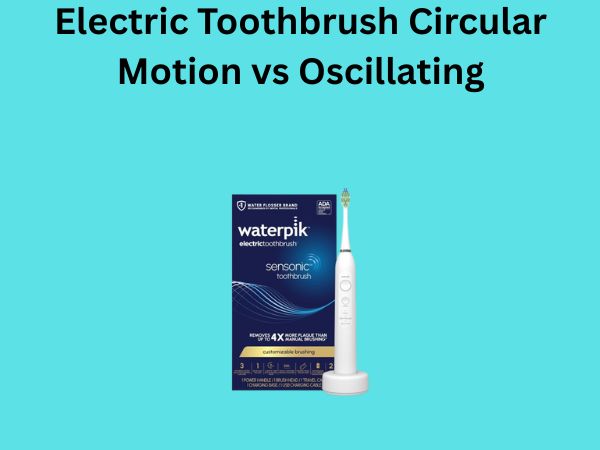
Sonic Toothbrushes vs. Oscillating Toothbrushes
Sonic toothbrushes vibrate at extremely high frequencies—around 30,000 to 40,000 times per minute. These fast vibrations can potentially wear out the motor faster, but modern technology has largely overcome this issue. Premium sonic toothbrushes often last just as long as oscillating models.
Oscillating toothbrushes move back and forth at lower frequencies. Traditional wisdom suggested these were more durable, but the difference is minimal with modern manufacturing standards. What matters more is the brand and quality rather than the motor type.
Cost-Benefit Analysis: Is Durability Worth the Investment?
Let’s do some math. A budget electric toothbrush might cost $50 but last two years. A premium model might cost $200 but last five years. On the surface, the budget option seems smarter, but factor in replacement head costs.
Over five years, you might spend $250 on budget toothbrush replacements and replacement heads. The premium toothbrush costs $200 upfront but might provide better cleaning, longer battery life, and fewer replacement expenses overall. When you calculate the cost per year of use, the premium option often comes out ahead.
Additionally, consider your oral health investment. A toothbrush that cleans more effectively prevents cavities and gum disease, which saves you significant dental expenses. From this perspective, spending more on a durable, high-quality toothbrush is genuinely a smart health investment.
Environmental Considerations and Toothbrush Disposal
When your electric toothbrush finally reaches the end of its life, don’t just toss it in the trash. Electronic devices contain materials that shouldn’t end up in landfills. Many retailers that sell electric toothbrushes have recycling programs. Some even offer discounts on new purchases when you bring in old devices.
The lithium-ion battery inside deserves special attention. These batteries can be hazardous if not disposed of properly. Check with your local waste management facility to see if they have a battery recycling program. By recycling responsibly, you’re extending the environmental lifespan of the materials used to manufacture these devices.
Real-World Durability Expectations by Popular Brands
Based on user reports and manufacturer warranties, here’s what you can generally expect from major brands:
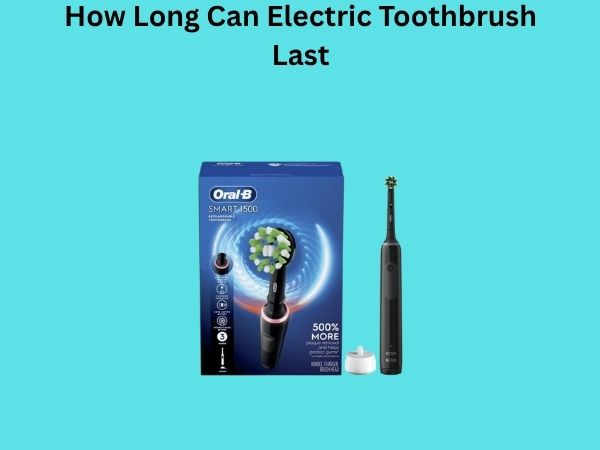
- Oral-B: Generally lasts 3-5 years; excellent warranty support
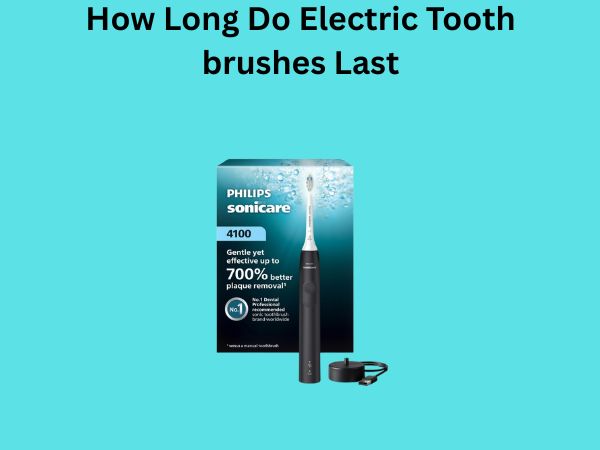
- Sonicare: Known for longevity; often lasts 4-7 years with proper care
- Waterpik: Premium quality; typically lasts 5-7 years
- Quip: Minimalist design; usually lasts 2-3 years
- Generic brands: Highly variable; typically 1-3 years
These estimates assume normal usage and proper maintenance. Your actual experience might differ based on your specific care habits and environmental factors.
Warranty and Protection Plans: Are They Worth It?
Most quality electric toothbrushes come with manufacturer warranties ranging from one to three years. These warranties cover manufacturing defects but typically don’t cover normal wear and tear or water damage.
Some retailers offer extended protection plans for an additional fee. Whether these are worth it depends on your risk tolerance and how much you spent on the toothbrush. For premium models, an extended warranty might provide peace of mind. For budget models, it’s probably not necessary.
Conclusion
So, how long can an electric toothbrush last? The answer genuinely depends on the combination of brand quality, your maintenance habits, usage patterns, and a bit of luck with manufacturing consistency. On average, you’re looking at two to seven years of service.
The most important takeaway is that you have significant control over your toothbrush’s lifespan through proper care and maintenance. Smart charging habits, keeping your device dry, replacing bristle heads regularly, and avoiding excessive pressure all contribute to longevity.
Remember that investing in a higher-quality toothbrush from a reputable brand typically provides better value over time, even if the upfront cost is higher. Your oral health is worth the investment, and a reliable toothbrush makes maintaining that health much easier.
By understanding what factors affect durability and implementing the maintenance tips provided in this guide, you’ll likely extend your electric toothbrush’s life well beyond the minimum expectations. Treat your toothbrush as the precision device it is, and it will serve you faithfully for years to come.
Frequently Asked Questions
Can I replace the battery in my electric toothbrush to extend its life?
In theory, yes—some electric toothbrushes have replaceable batteries. However, in practice, most modern toothbrushes have batteries that are permanently sealed inside the handle for waterproofing purposes. Attempting to open your toothbrush to replace the battery usually voids the warranty and risks water damage. For most users, replacing the entire toothbrush when the battery fails is more practical than attempting a battery replacement.