Water Flossers and Gum Health: Are They Safe to Use
No, water flossers are generally not bad for your gums when used correctly. In fact, many dental professionals find them to be a beneficial tool for gum health. They work by using a stream of water to clean between teeth and along the gumline, which can be gentler than traditional floss for some people.
While generally safe, it’s important to understand how to use a water flosser properly to avoid any potential issues. Using the right pressure setting and technique ensures you get the best results without causing harm. We found that understanding these **simple guidelines** makes a big difference in your oral hygiene routine.
- Water flossers are generally safe for gums.
- They can be a great addition to your oral care.
- Proper technique is key to avoiding gum irritation.
- They help clean areas traditional floss might miss.
Let’s get into the details of how water flossers work and if they’re the right choice for your unique needs.
Are Water Flossers Actually Effective for Gum Health?
You might be wondering if a water flosser is really worth it for your gums. The short answer is a resounding yes, when used as intended! Research and dental professional consensus suggest they are a safe and effective tool for improving gum health and removing plaque. Many people find them especially helpful if traditional flossing is a challenge.
They work by sending a pulsing stream of water. This stream cleans between your teeth. It also cleans along your gum line. This action helps to dislodge food particles and plaque. It can reach areas that brushing alone might miss. Many dentists recommend them as a great addition to your daily oral hygiene routine.
How Water Flossers Work Their Magic
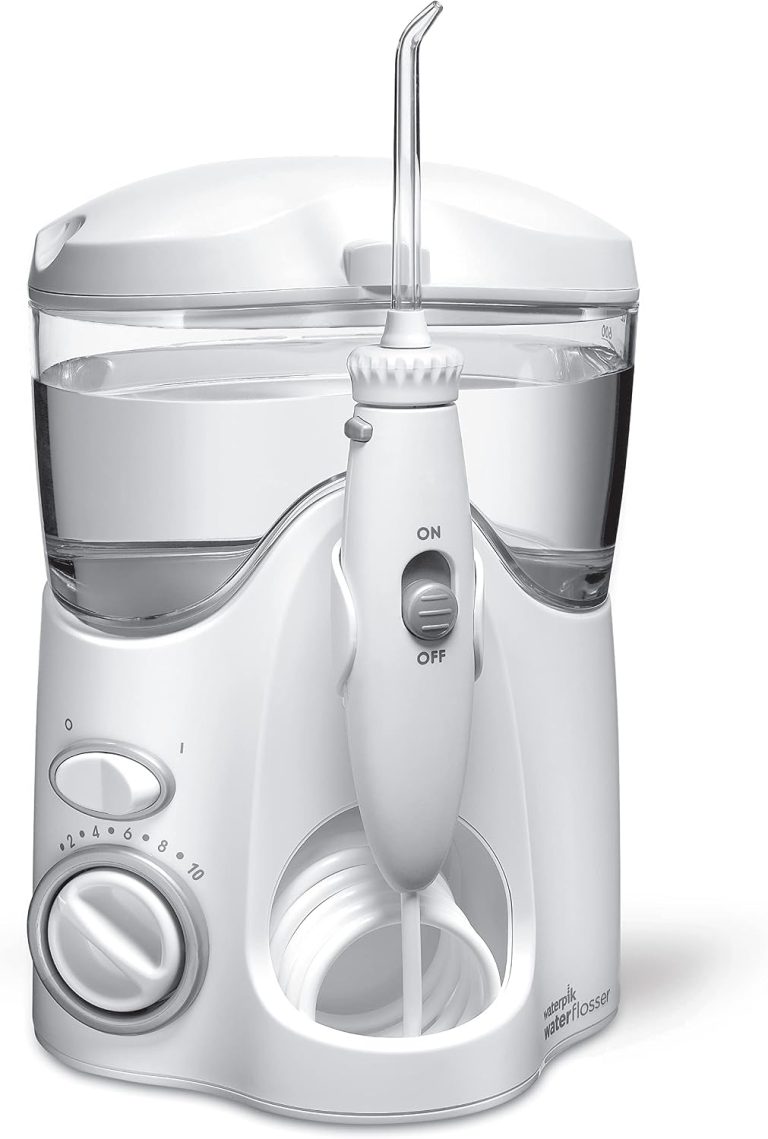
Think of a water flosser like a tiny, focused shower for your mouth. The device has a reservoir for water. You fill it up and choose a tip. Then, you select your preferred pressure setting. When you turn it on, it shoots a stream of water. This stream is pulsed. It’s not a continuous blast. This pulsing action is key.
The water stream is designed to sweep away debris. It gets into those tight spaces. It also massages your gums. This can actually improve circulation. Many studies show that water flossers are highly effective at reducing gum bleeding and gingivitis. They do this by removing bacteria that traditional methods might leave behind.
Understanding the Different Types of Tips
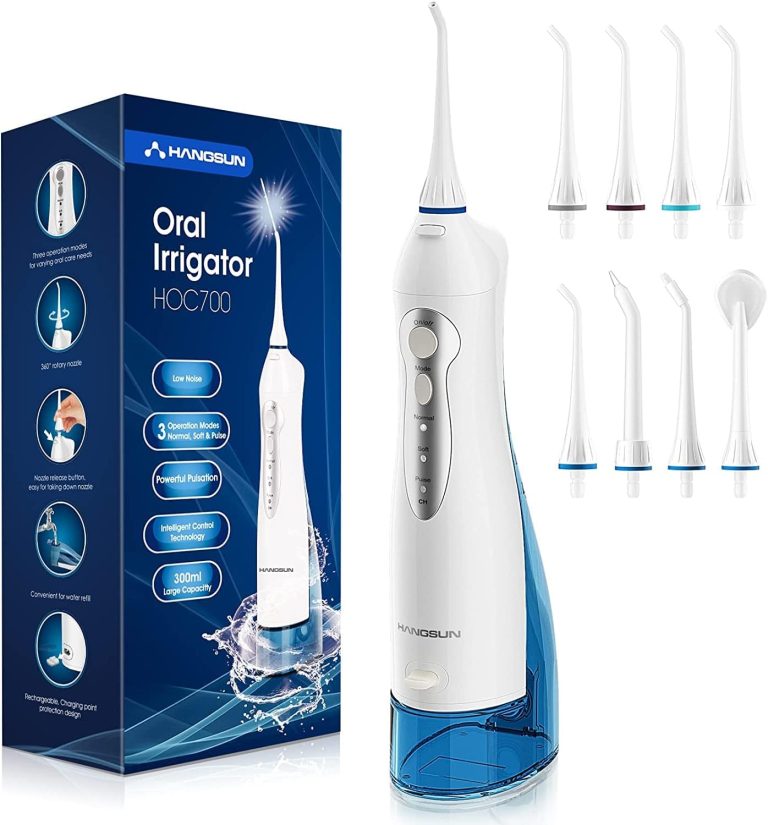
Not all water flosser tips are created equal. Your device likely came with a few. Each one has a specific job. This allows for a more tailored cleaning experience. It’s important to know which tip to use and when.
The Classic Jet Tip
This is your go-to for general cleaning. It’s the most common tip. You’ll use this for most of your flossing sessions. It’s excellent for sweeping away plaque. It also removes food particles from between teeth. Aim it at the gum line at a 90-degree angle for best results.
Orthodontic Tip
Got braces or other dental work? This tip is your best friend. It has a tapered brush. This helps clean around brackets, wires, and implants. It’s designed to get into those tricky spots. You’ll find it much easier than trying to maneuver string floss.
Plaque Seeker Tip
This tip has softer bristles. They are designed to get deep between teeth. They also target the gum line. It’s particularly good for people with implants, bridges, or crowns. It offers a more thorough plaque removal than the standard jet tip.
Tongue Cleaner Tip
While not directly for gums, this tip is a bonus. It helps remove bacteria from your tongue. This can reduce bad breath. It’s a simple addition that contributes to overall oral cleanliness.
Are Water Flossers Gentle Enough for Sensitive Gums?
This is a common concern. If your gums are sensitive, you might worry about irritation. The good news is that water flossers can actually be gentler than traditional floss for many people. String floss requires manual dexterity. You can sometimes cut or injure your gums if you’re not careful. Water flossers, on the other hand, use a controlled water stream.
The key is the pressure setting. Most water flossers have multiple settings. You can start on the lowest setting. This is ideal if you have sore or bleeding gums. As your gums get healthier, you can gradually increase the pressure. Many dental professionals recommend starting low and slow. This allows your gums to adapt. It prevents any potential discomfort.
When Might Water Flossing Cause Issues?
While rare, there are a few situations where water flossers might not be ideal, or at least require extra caution. If you have specific gum conditions, it’s always best to consult your dentist first. They can advise if a water flosser is appropriate for you.
Incorrect Pressure Settings
Using the highest pressure setting immediately, especially if your gums aren’t used to it, can cause temporary irritation or even minor bleeding. It’s like turning a garden hose on full blast right at your skin – a little too intense! Always start on a lower setting and work your way up.
Improper Technique
Aiming the water stream incorrectly can reduce effectiveness. You want to aim it at the gum line, not directly into your gums. Think of it as a gentle rinse, not a power wash. Following the instructions that come with your device is important.
Pre-existing Severe Gum Disease
If you have advanced gum disease or recent surgery, your dentist might suggest a different approach. They may want to avoid any stimulation of the area initially. They will guide you on the best cleaning methods for your specific situation. It’s about personalized care!
Water Flossers vs. Traditional Floss: What’s the Difference?
It’s not always an either/or situation. Many people benefit from using both. Traditional floss is excellent at scraping plaque away. It physically rubs against the tooth surface. Water flossers excel at flushing out debris. They reach areas that are harder to access with string.
Here’s a quick comparison:
| Feature | Traditional Floss | Water Flosser |
|---|---|---|
| Mechanism | Physical scraping | Pulsing water stream |
| Best For | Scraping sticky plaque, tight contacts | Flushing debris, reaching difficult areas, gum stimulation |
| Ease of Use | Requires manual dexterity | Generally easier for some, especially with braces/bridges |
| Gentleness | Can be harsh if used incorrectly | Gentler with adjustable pressure |
| Effective for Gingivitis? | Yes, when used properly | Yes, and often preferred by users for comfort (Mayo Clinic) |
The American Dental Association (ADA) notes that both methods can be effective. The best method is the one you will use consistently and correctly. For many, a water flosser makes that consistent daily flossing habit much more achievable. We found that many users report higher compliance with water flossing.
Tips for Using Your Water Flosser Effectively
To get the most out of your water flosser and ensure it’s good for your gums, follow these simple steps:
- Start with Low Pressure: Always begin on the lowest setting. Gradually increase as your gums become accustomed to it.
- Lean Over the Sink: This helps catch any splashing water. It keeps your bathroom a little less… aquatic.
- Aim Correctly: Position the tip at a 90-degree angle to your teeth. Focus on the gum line.
- Pause Between Teeth: Briefly pause between each tooth. This allows the water to clean effectively.
- Close Your Lips: Lightly close your lips around the tip. This prevents mess. It also helps maintain water pressure.
- Don’t Forget the Back: Pay attention to your back teeth. These areas can easily harbor plaque.
Remember, consistent use is key. Aim to water floss at least once a day. Ideally, do it before or after brushing. Many find it’s a great way to ensure a thorough clean.
Conclusion
So, are water flossers bad for your gums? The short answer is a definitive no, when you use them correctly! We found that water flossers can be a wonderfully gentle yet effective tool for improving your gum health. They help dislodge plaque and food particles from those hard-to-reach spots. Remember to always start with the lowest pressure setting and aim the stream at your gum line for the best results. If you’re looking for a way to boost your daily oral care routine, consider adding a water flosser. Your gums will thank you!
Frequently Asked Questions
Can I use a water flosser if I have sensitive gums?
Yes, you absolutely can! Water flossers are often gentler than traditional string floss for those with sensitive gums. Most devices allow you to adjust the pressure, so you can start on the lowest setting. This helps prevent irritation while still cleaning effectively.
Is it better to use a water flosser or traditional floss?
Many dental professionals suggest using both for optimal oral hygiene. Traditional floss scrapes away sticky plaque. Water flossers excel at flushing out debris and reaching areas that are difficult to access with string. The best method is the one you’ll use consistently.
How often should I use a water flosser?
You should aim to water floss at least once a day. Many people find it easiest to incorporate it into their routine before or after brushing their teeth. Consistent daily use is key to seeing the best improvements in gum health.
Can a water flosser replace brushing my teeth?
No, a water flosser cannot replace brushing your teeth. Brushing physically removes plaque from the surfaces of your teeth. A water flosser is designed to clean between teeth and along the gum line, complementing your brushing routine.
Will using a water flosser hurt my gums if I have gingivitis?
When used correctly on a low-pressure setting, water flossers are generally safe and can even help improve gingivitis. The pulsing water can gently remove bacteria and debris that contribute to gum inflammation. Always start gently and consult your dentist if you have concerns.