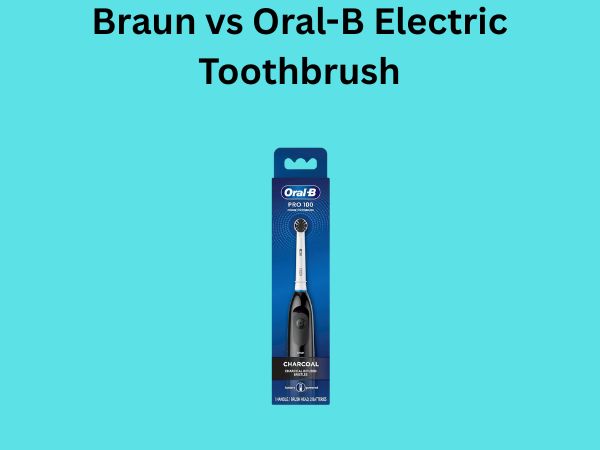
Braun vs Oral-B Electric Toothbrush: Are They the Same or Different?
When you’re standing in the dental care aisle, staring at rows of electric toothbrushes, you might notice something interesting. Many of them have similar names, designs, and features, yet some carry different brand labels. This confusion is entirely understandable, and today, we’re going to unpack the real story behind Braun and Oral-B electric toothbrushes. Are they essentially the same product wearing different clothes, or are there meaningful differences that should influence your purchasing decision?
Understanding the Relationship Between Braun and Oral-B
Here’s something that might surprise you: Braun and Oral-B aren’t actually competing companies fighting for market dominance. Instead, they’re part of the same corporate family. Since 1984, Oral-B has been owned by Gillette, which is now a subsidiary of Procter & Gamble (P&G). Braun, another well-respected German engineering brand, also falls under the P&G umbrella. Think of them like siblings in a large household—they share the same parents but maintain their own identities and product lines.
This ownership structure is crucial to understanding why there’s so much overlap between these brands. However, it doesn’t mean the toothbrushes are identical twins. Let’s explore what this relationship actually means for you as a consumer.
The History and Heritage of Each Brand
Oral-B: The American Innovation Story
Oral-B has been around since 1950, when it revolutionized dental care with the world’s first electric toothbrush. Founded by Dr. Robert Hutson in California, the brand became synonymous with professional dental care. Most dentists recommend Oral-B, and that’s not random—the company has invested heavily in dental research and partnerships with dental professionals worldwide. When you choose Oral-B, you’re choosing a brand that’s been trusted by orthodontists, periodontists, and general dentists for over seventy years.
Braun: The German Engineering Excellence
Braun, on the other hand, represents a different legacy. This German company is famous for its minimalist design philosophy and precision engineering. Braun didn’t enter the electric toothbrush market until later, but when it did, it brought its signature approach: elegant design, robust performance, and a focus on user experience. Braun toothbrushes are often considered the choice for people who appreciate aesthetics alongside functionality.
Key Differences in Design and Aesthetics
If you lined up a Braun and an Oral-B electric toothbrush, you’d notice they look quite different. This isn’t superficial; it reflects different design philosophies.
Visual Design Language
Braun toothbrushes typically feature clean lines, minimalist shapes, and a more premium feel. They come in sophisticated color options like deep blacks, whites, and subtle metallics. The overall aesthetic suggests a high-end product that you might proudly display on your bathroom counter. Oral-B models, conversely, often emphasize functionality through their design. They may have more contoured handles, glossy finishes, and brighter color options. Some Oral-B models look more playful and modern, while others aim for a professional appearance.
Handle Ergonomics
The way these toothbrushes feel in your hand matters more than you might think. Braun toothbrushes often feature:
- Sleeker, more streamlined handles
- Lighter overall weight
- Minimalist button placement
Oral-B toothbrushes tend to have:
- More textured, grippy handles
- Slightly bulkier profiles
- More intuitive button layouts with clear visual feedback
Neither approach is objectively better—it depends on your personal preference and hand size.
Technology and Performance Comparison
Brushing Mechanisms: How They Work
This is where things get interesting. Most Braun toothbrushes, particularly the Oral-B Professional Care line (which is technically an Oral-B product but uses Braun technology), use a three-dimensional oscillating motion. The brush head moves back and forth at high frequency while also pulsating. This motion is designed to gently massage your gums and effectively remove plaque.
Oral-B has traditionally focused on oscillating-rotating technology. The brush head oscillates, rotates, and pulsates simultaneously, creating a more dynamic cleaning action. Many users find this motion slightly more vigorous and feel like they’re getting a deeper clean.
Brushing Frequency and Speed
Both brands offer toothbrushes across various price points with different specifications. Entry-level models typically operate at around 7,500 strokes per minute, while premium models can reach 10,000 or even 12,000 strokes per minute. However, more isn’t always better—what matters most is how effectively the brush cleans without damaging your gums.
Smart Features and Technology Integration
In today’s connected world, many electric toothbrushes now include smart features. Oral-B has invested heavily in Bluetooth connectivity, allowing their toothbrushes to sync with smartphone apps that track your brushing habits, provide real-time feedback, and even gamify your dental routine. Some premium Oral-B models include pressure sensors that alert you if you’re brushing too hard.
Braun toothbrushes have been slower to adopt smart technology, though they’re catching up. Braun’s approach tends to be more minimalist—they may include helpful features like timer functions and multiple brushing modes without the digital ecosystem.
Battery Life and Charging Systems
When you invest in an electric toothbrush, you want it to last. Here’s how these brands compare:
Braun Battery Technology
Most Braun electric toothbrushes come with rechargeable batteries that last between 5 to 12 days on a single charge, depending on the model. They use inductive charging, which means you place the toothbrush on a charging stand. This method is elegant and water-resistant, making it safe for bathroom use.
Oral-B Battery Performance
Oral-B toothbrushes similarly offer 5 to 10 days of battery life, with some premium models pushing toward two weeks. They also use inductive charging technology, and many newer models include convenient travel cases with portable chargers. This is particularly useful if you travel frequently.
Bristle Quality and Head Design
You might think all toothbrush heads are similar, but that’s not the case. The bristles and head design significantly impact cleaning effectiveness and gum health.
Bristle Construction
Both Braun and Oral-B offer various bristle types:
- Soft bristles for sensitive teeth and gum health
- Medium bristles for general cleaning
- Hybrid bristle designs combining different stiffness levels
Braun typically markets their bristles as ultra-soft and precision-engineered, emphasizing gentle cleaning. Oral-B offers a wider range of bristle options and replacement heads, giving you more choices to customize your experience.
Head Size and Shape
Braun head designs tend toward oval or circular shapes that are relatively compact. This allows for more precise maneuvering, especially around molars and tight spaces. Oral-B offers multiple head designs, from small round heads to larger rectangular ones, providing options for different cleaning preferences and mouth sizes.
Price Points and Value for Money
Budget is often the deciding factor when choosing a toothbrush. Let’s break down the pricing landscape.
Entry-Level Options
Both brands offer basic models around $40-$60. These provide fundamental features like multiple brushing modes and timers. If you just want a reliable electric toothbrush without bells and whistles, either brand will serve you well in this category.
Mid-Range Products
In the $70-$150 range, you’ll find models with more brushing modes, pressure sensors, and better battery life. This is where Oral-B starts to dominate the market with more variety. Braun also competes effectively here with premium designs and solid performance.
Premium and Professional Models
Once you exceed $150, you’re looking at professional-grade toothbrushes with advanced features like smartphone connectivity, artificial intelligence-powered brushing guides, and extended warranties. Oral-B’s premium lines tend to be pricier, often reaching $200-$300, while Braun’s premium offerings are more moderately priced.
Replacement Head Availability and Cost
Here’s something people often overlook: the long-term cost of ownership. Electric toothbrush heads need replacing every three to four months.
Oral-B Replacement Heads
Oral-B has dominated this market with widespread availability. You can find their replacement heads in virtually any pharmacy, supermarket, or online retailer. A pack of replacement heads typically costs $20-$40 for a set of three. This accessibility is a genuine advantage if you prefer convenience.
Braun Replacement Heads
Braun replacement heads are also widely available but perhaps not quite as ubiquitous as Oral-B’s. They’re usually priced similarly, around $20-$40 per set. However, availability might be slightly more limited depending on your location.
Warranty and Customer Service
When something goes wrong, customer service matters. Both brands, as P&G subsidiaries, offer comparable warranties—typically two years for defects. Their customer service is responsive and professional. Oral-B might have a slight edge in terms of readily available customer support channels, simply because they have a larger market presence.
Dental Professional Recommendations
If you’ve ever asked your dentist about electric toothbrush recommendations, you’ve likely heard Oral-B mentioned frequently. This isn’t coincidental. Oral-B invests heavily in partnerships with dental schools, professional organizations, and individual dentists. Their research backing is substantial, and most dentists feel confident recommending them to patients.
Braun is respected in professional circles but receives fewer formal endorsements. However, many European dentists and dental hygienists recommend Braun products, particularly in Germany and other European markets.
User Reviews and Real-World Feedback
What do actual users say about these products? Based on aggregated reviews across multiple platforms, interesting patterns emerge:
Oral-B User Satisfaction
Oral-B users consistently praise:
- Effective plaque removal and noticeable whitening
- Great smartphone app for tracking brushing habits
- Wide variety of models to choose from
- Easy availability of replacement heads
Common complaints include:
- Some models feel bulky to hold
- The brushing motion can be intense for people with sensitive gums
- Premium models carry a hefty price tag
Braun User Satisfaction
Braun users often highlight:
- Sleek, attractive design that looks great in the bathroom
- Gentler brushing action suitable for sensitive teeth and gums
- Superior build quality and durability
- Quiet operation compared to competitors
Common concerns include:
- Fewer features and customization options
- Less availability in certain geographic markets
- Smaller variety of replacement head options
Which One Should You Choose?
After exploring all these factors, the question becomes: which brand is right for you?
Choose Oral-B If You Want
You should lean toward Oral-B if you prioritize:
- Wide product selection across all price points
- Advanced smart features and app integration
- Maximum availability of replacement heads
- Dentist recommendations and professional backing
- More aggressive cleaning action
Choose Braun If You Prefer
Braun becomes your better choice if you value:
- Minimalist, elegant design
- Gentle brushing action for sensitive mouths
- Premium build quality and durability
- Simpler operation without excessive features
- Quieter brushing experience
The Bottom Line: Same Parent, Different Personalities
Despite being owned by the same parent company, Braun and Oral-B electric toothbrushes are genuinely different products. They represent different design philosophies, marketing strategies, and user experiences. Braun is the understated German engineer’s choice, while Oral-B is the tech-forward dentist’s recommendation. Neither is objectively better—they’re simply different expressions of electric toothbrush engineering tailored to different preferences.
Your choice ultimately depends on whether you value cutting-edge features and professional endorsements (Oral-B) or elegant simplicity and gentle effectiveness (Braun). Both will improve your oral hygiene when used consistently and correctly.
Conclusion
The question of whether Braun and Oral-B electric toothbrushes are the same or different has a nuanced answer. While they share a corporate parent and some underlying technology, they are decidedly different products. Oral-B dominates through its extensive research backing, professional endorsements, smart technology integration, and wide product range. Braun distinguishes itself through refined design, gentler performance, and premium build quality. Both brands deliver effective teeth cleaning and gum health benefits, making them solid choices regardless of which path you take. The real answer isn’t which brand is objectively better, but rather which one aligns better with your personal values, preferences, and dental needs. Take time to consider what matters most to you in an electric toothbrush, and you’ll find the perfect match.
Frequently Asked Questions
Are Braun electric toothbrushes made by Oral-B?
Technically, no—they’re separate brands owned by the same parent company, Procter & Gamble. However, some Oral-B models do use technology developed under Braun’s engineering division. They maintain distinct product lines, marketing strategies, and design languages while occasionally sharing technological innovations within the P&G ecosystem.
Do Oral-B toothbrushes fit Braun heads?
No, they don’t. While some technology might be shared between brands, the replacement heads are not interchangeable. Oral-B and Braun use different connector systems, so you must purchase compatible replacement heads for each brand. This is important to remember when buying extra heads.
Which brand is better for sensitive teeth?
Braun toothbrushes are generally considered gentler and more suitable for sensitive teeth and gums, particularly their oscillating motion design. However, Oral-B has sensitive models with pressure sensors that alert you if you’re brushing too hard. It ultimately depends on the specific model rather than the brand itself.