Colgate Electric Toothbrush vs Oral-B: Which Is Better?
When you’re standing in the dental care aisle at your local pharmacy, staring at rows of electric toothbrushes, you’re probably asking yourself one question: should I go with Colgate or Oral-B? It’s a choice that millions of people face every year, and honestly, it’s not always an easy one. Both brands have been around for decades, they’ve built solid reputations, and they both claim to offer superior oral health benefits. But here’s the thing—they’re not quite the same when you dig a little deeper.
In this comprehensive guide, I’m going to walk you through everything you need to know about these two dental powerhouses. We’ll compare their features, performance, pricing, and what real users are saying about them. By the end of this article, you’ll have a much clearer picture of which one might be the better fit for your specific needs.
Understanding the Electric Toothbrush Market
Before we jump into the comparison, let’s take a step back and talk about why electric toothbrushes have become such a big deal. Years ago, electric toothbrushes were luxury items that only dentists seemed to recommend. But over time, technology improved, prices came down, and suddenly everyone was upgrading from their manual toothbrushes. Today, dental professionals consistently recommend electric toothbrushes because they genuinely do a better job at removing plaque and reducing gum inflammation.
The electric toothbrush market is now dominated by a handful of major players, and Colgate and Oral-B are definitely at the top of that list. They’ve invested billions in research and development, and they’re constantly pushing the boundaries of what’s possible in oral care technology.
Oral-B’s Position in the Industry
A Brief History of Innovation
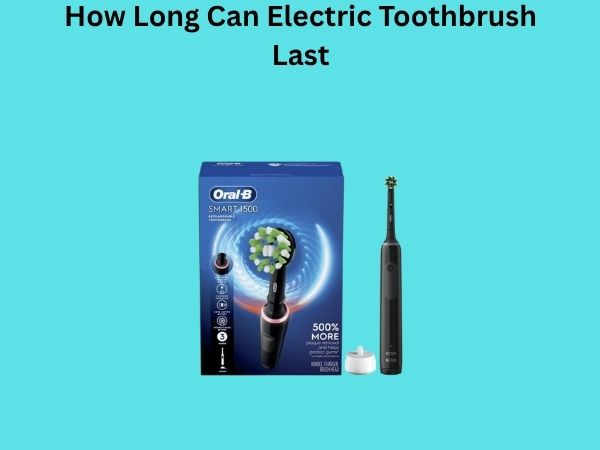
Oral-B has been the market leader in electric toothbrushes for quite some time now. They’ve got a strong heritage dating back decades, and they’ve consistently been the choice for dental professionals worldwide. When you walk into a dentist’s office, there’s a pretty good chance you’ll see Oral-B products recommended on the wall or displayed in the waiting area.
What sets Oral-B apart is their commitment to clinical research. They’ve partnered with numerous dental organizations and invested heavily in studies that back up their claims about plaque removal and gum health. This scientific approach has given them credibility and trust among both dentists and consumers.
Technology and Features
Oral-B’s electric toothbrushes come equipped with several distinctive technologies. Many of their models use oscillating-rotating technology, which means the brush head moves back and forth and rotates simultaneously. This dual-action motion is designed to break up plaque more effectively than a simple vibration. Their premium models often include pressure sensors that alert you if you’re brushing too hard, smart timers that guide your brushing routine, and connectivity features that sync with smartphone apps.
One feature that Oral-B users often rave about is the 3D cleaning action. This technology tackles plaque removal from multiple angles, and according to studies, it can be quite effective at reducing gingivitis.
Colgate’s Approach to Electric Toothbrushes
Growing Competition in the Market
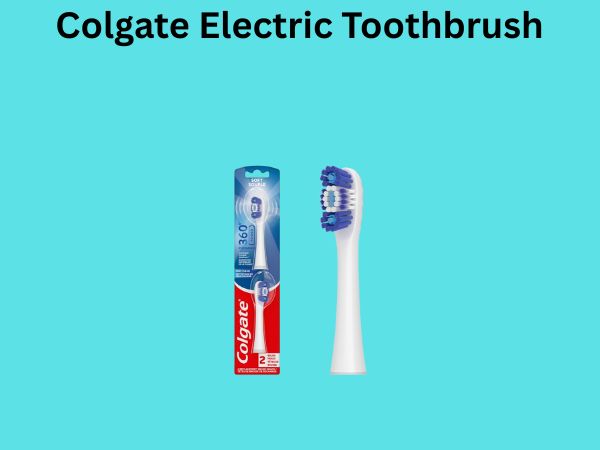
While Oral-B has dominated the electric toothbrush space, Colgate has been steadily gaining ground. Colgate is a household name in oral care, and they’ve leveraged that brand recognition to introduce a strong lineup of electric toothbrushes. What’s interesting about Colgate is that they’ve taken a slightly different approach—instead of trying to compete directly on technology alone, they’ve focused on delivering solid performance at competitive price points.
Colgate’s Technology and Design
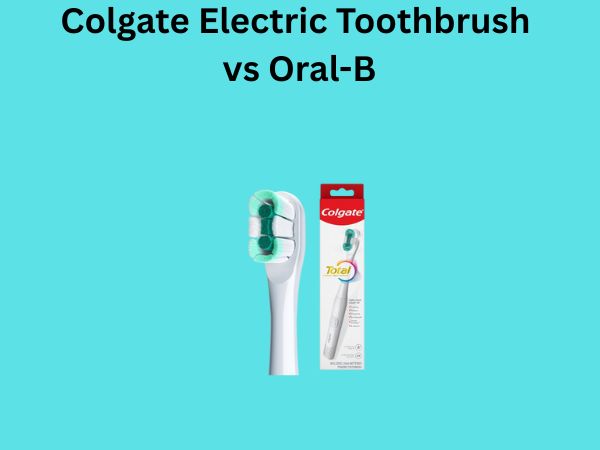
Colgate’s electric toothbrushes typically feature sonic vibration technology. This means the brush head vibrates at a high frequency to clean your teeth. The vibration speed is usually in the range of 20,000 to 40,000 strokes per minute, depending on the model. While this is different from Oral-B’s oscillating-rotating approach, it’s still clinically proven to be effective at plaque removal.
Colgate’s designs tend to be more minimalist and straightforward. Many users appreciate this simplicity—you get a reliable tool that does what it’s supposed to do without unnecessary bells and whistles. Their models often include adjustable brushing modes, timer functions, and decent battery life. Some of their premium models even include smart features and app connectivity, though these aren’t as prevalent across their range as they are with Oral-B.
Comparing Cleaning Effectiveness
What Does the Research Say?
This is where things get really interesting. When you look at clinical studies comparing Oral-B and Colgate electric toothbrushes, the results are surprisingly close. Both brands have conducted or sponsored research showing that their toothbrushes effectively remove plaque and reduce gum inflammation. However, here’s what’s important to understand: the difference in real-world results between a quality electric toothbrush from either brand and a manual toothbrush is dramatic. The difference between Oral-B and Colgate? Not nearly as significant.
Oral-B studies often show their oscillating-rotating technology provides marginally better plaque removal in clinical settings. But—and this is a big but—user technique, frequency of replacement, and consistency matter far more than which brand you choose. A person using a Colgate toothbrush correctly every day will have better oral health than someone using an Oral-B toothbrush sporadically and carelessly.
Real-World Performance
From what I’ve gathered talking to dental professionals and reading countless user reviews, both toothbrushes perform excellently when it comes to daily cleaning. Users of both brands report healthier gums, whiter teeth, and fewer cavities when they switch from manual toothbrushes. The real differences come down to specific features, comfort, and personal preference rather than raw cleaning power.
Price Comparison and Value for Money
Entry-Level Models
If you’re looking to enter the electric toothbrush world without breaking the bank, both brands have solid options. Colgate’s entry-level models are typically priced between thirty and fifty dollars, while Oral-B’s basic electric toothbrushes start around forty dollars. For this price point, you’re getting a decent electric toothbrush with a timer and multiple brushing modes. The difference in price is minimal, and honestly, either one would serve you well if you’re just getting started.
Mid-Range Options
This is where you’ll find most popular models from both brands. Colgate’s mid-range toothbrushes typically range from sixty to one hundred twenty dollars, while Oral-B’s comparable models fall in a similar range, though they sometimes lean a bit higher. At this price point, you’re getting better battery life, more brushing modes, better warranty coverage, and often some smart features. Here, Oral-B sometimes offers slightly more advanced technology, but Colgate often delivers equivalent performance at a slightly lower price.
Premium Models
When you move into the premium segment, you’re looking at toothbrushes that cost between one hundred fifty and four hundred dollars. Oral-B’s premium range tends to be more extensive and offers features like artificial intelligence, smart coaching, real-time feedback through apps, and advanced sensors. Colgate’s premium offerings are more limited but still impressive, offering many of the same features at sometimes more attractive price points. At this level, you’re paying significantly more for advanced technology rather than just better cleaning.
Battery Life and Durability
How Long Do They Last on a Charge?
Both Colgate and Oral-B have improved their battery technology considerably. Most modern electric toothbrushes from both brands can last between ten and fourteen days on a single charge with normal daily use. That means if you’re brushing twice a day for two minutes each time, you’re looking at roughly one or two weeks between charges. Some of their premium models claim even longer battery life, sometimes extending to three weeks.
What I’ve noticed from user feedback is that both brands are pretty honest about their battery claims. Neither one seems to exaggerate, and real-world performance generally matches what they advertise.
Long-Term Durability
Durability is an area where Oral-B seems to have a slight edge, though both brands are reasonably durable. Oral-B handles are typically more robust, and their motors seem to last longer before needing replacement. That said, Colgate toothbrushes are hardly fragile—most users report using their Colgate toothbrushes for three to five years without major issues. The main difference is that Oral-B users sometimes keep their toothbrushes working well for five to seven years or even longer.
Both brands use rechargeable lithium-ion batteries that degrade over time, so eventually you’ll probably notice a slight decrease in battery life after a few years. This is normal and expected with any electronic device.
Replacement Head Availability and Cost
Finding Replacement Heads
This is a practical consideration that sometimes gets overlooked. Replacement brush heads are essential because most manufacturers recommend replacing them every three months. Oral-B replacement heads are extremely easy to find—they’re available in virtually every pharmacy, supermarket, and online retailer. Colgate replacement heads are also widely available, though slightly less common in some areas. If you live in a rural location or don’t have easy access to major retailers, this might be worth considering.
Cost of Replacements
Oral-B replacement heads typically cost between five and fifteen dollars per head depending on the model and where you buy them. Colgate replacements are usually in a similar price range, sometimes slightly cheaper. Over the lifetime of your toothbrush, you’ll likely spend thirty to forty dollars per year on replacement heads regardless of which brand you choose. It’s not a huge difference, but it’s worth factoring in when making your decision.
Comfort and Ergonomic Design
Handle Design and Grip
This is where personal preference really comes into play. Oral-B handles tend to be slightly thinner and more refined, which some people love and others find less comfortable. Colgate handles are often slightly wider and have a more substantial feel in your hand. If you have arthritis or hand mobility issues, you might prefer Colgate’s design. If you prefer a sleeker, more modern aesthetic, Oral-B might appeal to you more.
Vibration and Noise Level
Oral-B’s oscillating-rotating motion tends to produce a slightly different sensation than Colgate’s sonic vibration. Some users find Oral-B’s motion more familiar and comfortable, while others prefer Colgate’s vibration pattern. As for noise, Colgate toothbrushes are often slightly quieter than Oral-B models, which can be nice if you’re brushing early in the morning or late at night when others are sleeping.
Smart Features and Connectivity
App Integration and Tracking
This is an area where Oral-B has really invested heavily. Many of their electric toothbrushes connect to smartphone apps that track your brushing habits, provide real-time feedback, and offer personalized coaching. It’s like having a virtual dentist in your pocket. These apps can be genuinely helpful if you’re someone who responds well to data and feedback. They show you which areas of your mouth you’re brushing too hard or not long enough.
Colgate has been slower to adopt this technology, though they have started offering it in some of their premium models. If smart features are important to you, Oral-B currently has a more robust ecosystem of connected toothbrushes and apps.
Is It Worth It?
Here’s my honest take: smart features are nice, but they’re not essential for good oral health. If you’re the type of person who loves technology and finds apps motivating, then yes, it’s worth the extra investment in an Oral-B model with connectivity. But if you’re someone who just wants a good toothbrush that reliably cleans your teeth, you don’t need to pay extra for smart features. Both brands make excellent non-smart models that do the job perfectly well.
Warranty and Customer Support
What’s Covered?
Oral-B typically offers two-year warranties on their electric toothbrushes, with some premium models including extended coverage. Colgate’s warranty coverage is similar, usually ranging from one to three years depending on the model. Both brands cover manufacturing defects, and both have reasonably good customer support if you need to make a warranty claim.
Real-World Support Experience
From what I’ve read in user reviews, both companies are responsive to warranty claims and customer complaints. Neither one seems to have a significant advantage in this department. If something goes wrong with your toothbrush, both Colgate and Oral-B will likely make it right.
Special Features Worth Knowing About
Pressure Sensors
Oral-B pioneered the use of pressure sensors in electric toothbrushes, and this feature alerts you when you’re brushing too hard. This is genuinely useful because many people brush too aggressively, which can damage gums. Some Colgate models have adopted this feature as well, but it’s more common in Oral-B’s lineup.
Multiple Brushing Modes
Both brands offer multiple brushing modes—typically clean, sensitive, whitening, and gum care. Oral-B usually has more mode options, but the additional modes don’t necessarily make a huge difference. Most people use the standard clean mode for ninety percent of their brushing.
Travel Cases
Many models from both brands come with travel cases, which is convenient if you travel frequently. This isn’t always a standard feature, so check the product description if portability is important to you.
Which One Should You Choose?
Choose Oral-B If
- You want the latest smart features and app connectivity
- You value pressure sensors and advanced cleaning technology
- You prefer oscillating-rotating motion
- You want maximum availability of replacement heads in your area
- You’re willing to invest more for potentially superior longevity
Choose Colgate If
- You want good performance at a lower price point
- You prefer a wider, more comfortable handle
- You appreciate sonic vibration technology
- You want a quieter toothbrush
- You prefer simplicity and straightforward functionality
Conclusion
After examining all the evidence, both Colgate and Oral-B are excellent choices for an electric toothbrush. The “better” option really depends on your individual priorities and preferences. Oral-B has been the market leader for good reason—they offer cutting-edge technology, extensive app integration, and proven clinical effectiveness. If you want the most advanced features and don’t mind paying premium prices, Oral-B is an outstanding choice.
Colgate, on the other hand, offers fantastic value for money. Their toothbrushes clean just as effectively as Oral-B models, they’re often more comfortable to hold, and they cost less. If you’re budget-conscious or simply want a reliable toothbrush without unnecessary technological bells and whistles, Colgate delivers excellent results.
Here’s what really matters: whichever brand you choose, an electric toothbrush from either