Electric Toothbrush Circular Motion vs Oscillating: Which Cleans Better?
When you’re standing in the dental care aisle, staring at rows of electric toothbrushes, you might find yourself wondering what all the fuss is about. Some brushes vibrate side to side. Others rotate in circles. Does it really matter? Well, I’m here to tell you that it absolutely does, and understanding the difference could transform your oral health routine forever.
Think of it this way: if you were scrubbing a dirty pot, you wouldn’t use the same technique for every spot. Similarly, your teeth and gums have different needs, and the way your toothbrush moves directly impacts how clean your mouth gets. Let’s dive deep into this fascinating comparison and figure out which technology actually deserves a spot on your bathroom counter.
Understanding Electric Toothbrush Technology Basics
Before we can fairly compare circular and oscillating toothbrushes, we need to understand what makes them tick. Electric toothbrushes have revolutionized oral hygiene, but they’re not all created equal. The primary difference lies in their movement patterns, and this is what we’re really investigating here.
What Does Circular Motion Mean?
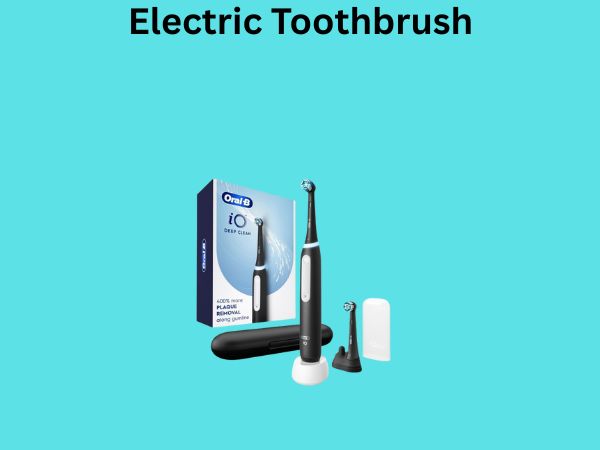
Circular motion brushes, also known as rotating toothbrushes, move in a three-dimensional pattern. Imagine your toothbrush head spinning like a tiny merry-go-round. The brush head rotates in one direction, then reverses direction, creating that distinctive circular movement. Popular brands like Oral-B have made this technology famous for decades.
When you use a circular motion brush, the bristles are actually cleaning your teeth from multiple angles simultaneously. It’s like having a tiny cleaning crew working in coordinated patterns across your tooth surface. The brush head typically covers a larger surface area with each stroke, which some people find more efficient.
What Is Oscillating Motion?
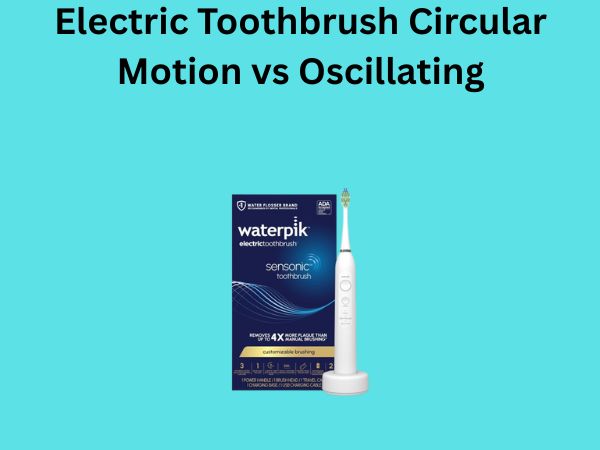
Oscillating brushes, on the other hand, vibrate rapidly from side to side. They don’t spin in circles. Instead, they move back and forth at incredibly high frequencies, sometimes thousands of times per minute. Brands like Sonicare have pioneered this technology and built their reputation on oscillation.
The oscillating action is more like a rapid vibration than a rotation. Your brush head doesn’t rotate at all; it simply vibrates horizontally at speeds that human eyes can barely perceive. This creates a different kind of cleaning action that some dental professionals swear by.
The Science Behind Circular Motion Cleaning
Let’s get scientific for a moment. Circular motion brushes work on a principle that’s been proven effective for years. The rotating head physically removes plaque through mechanical action. When the bristles rotate, they get underneath the plaque biofilm and physically dislodge it from your tooth surface and along the gum line.
How Circular Motion Affects Plaque Removal
The three-dimensional rotation pattern creates a scooping action. Imagine using a tiny circular scrub on your teeth—that’s essentially what’s happening. The bristles angle themselves differently as the head rotates, ensuring that multiple sides of each bristle contact your teeth and gums.
Research has shown that circular motion toothbrushes are particularly effective at:
- Removing plaque from flat surfaces of teeth
- Accessing areas between teeth when used with proper technique
- Massaging gums effectively due to the varied pressure angles
- Creating consistent cleaning across all tooth surfaces
Gum Health and Circular Motion
One advantage of circular motion brushes is how they interact with your gum tissue. The gentle, massaging action of the rotating head can actually improve gum health over time. Many people with sensitive gums find that circular motion brushes feel more comfortable than oscillating ones, though individual experiences vary.
The pressure distribution is more even with circular brushes because the entire head participates in the cleaning action. You’re not getting intense vibrations concentrated in one spot; instead, you’re getting a more distributed mechanical action across your entire tooth and gum surface.
The Science Behind Oscillating Motion Cleaning
Oscillating technology takes a different approach entirely. Instead of rotating, these brushes vibrate at high frequencies, and this rapid movement has its own set of scientific advantages. Let me explain how this technology actually works at the microscopic level.
Understanding High-Frequency Oscillation
When an oscillating brush vibrates thousands of times per minute, it creates a phenomenon that researchers find particularly interesting. The rapid side-to-side movement generates acoustic vibrations that can help break down the biofilm structure of plaque. It’s not just mechanical removal; there’s actually a vibrational component that weakens the plaque’s hold on your teeth.
The high frequency oscillation also creates what some researchers call a micro-cleaning effect. Each tiny vibration works on a microscopic scale, potentially reaching into areas that traditional brushing might miss. The bristles are essentially trembling across your tooth surface at an incredibly rapid rate.
Plaque Removal Effectiveness with Oscillation
Studies have demonstrated that oscillating toothbrushes excel at removing plaque from specific areas. Because the vibration is more intense and rapid, it can be particularly effective at:
- Cleaning the interproximal areas between teeth
- Removing plaque from below the gum line
- Disrupting biofilm through acoustic vibrations
- Providing thorough cleaning with minimal technique requirement
The Acoustic Streaming Advantage
Here’s something fascinating that sets oscillating brushes apart: acoustic streaming. When a brush vibrates at high frequencies, it creates tiny fluid currents around the bristles. These currents can help dislodge plaque and bacteria in ways that pure mechanical action cannot. It’s like having microscopic water jets working alongside your brush bristles.
This acoustic streaming effect is one reason why some dental professionals recommend oscillating brushes, particularly for people who struggle with manual dexterity or those prone to plaque buildup.
Comparing Cleaning Performance Head-to-Head
So which one actually cleans better? This is the million-dollar question, and honestly, the answer is more nuanced than you might expect. Let’s break down specific cleaning scenarios.
Effectiveness on Different Tooth Surfaces
Circular motion brushes tend to perform exceptionally well on the broad, flat surfaces of your teeth. The rotating action covers a large area efficiently, and the varied bristle angles ensure thorough contact with your enamel. If you’re concerned about keeping your front teeth sparkly clean, circular brushes deliver.
Oscillating brushes, conversely, seem to have an edge when it comes to the trickier areas—particularly between teeth and along the gum line. The rapid vibration penetrates these tight spaces more effectively, and the acoustic streaming helps dislodge stubborn plaque that might resist circular motion.
User Technique and Cleaning Results
Here’s something important that often gets overlooked: technique matters significantly. Even the best electric toothbrush won’t work wonders if you’re using it incorrectly. However, oscillating brushes are generally more forgiving. Because they vibrate at such high frequencies, they do much of the work for you. You can simply place the brush against your teeth and let the vibration do its job.
Circular motion brushes require more active participation from you. You need to guide the brush properly, angling it toward the gum line, and ensuring you’re not pressing too hard. For people with limited dexterity or those who tend to rush through brushing, this might be a disadvantage.
Long-Term Plaque Reduction
When researchers conduct long-term studies on plaque reduction, both technologies show impressive results. Most studies show that users of either type of brush experience comparable improvements in plaque reduction compared to manual brushing. However, some studies give a slight edge to oscillating brushes for users who don’t maintain perfect brushing technique.
The difference is often marginal, suggesting that consistency and proper technique matter more than which specific technology you choose.
Gum Health: Which Is Gentler?
If you’re concerned about your gums—and you should be—this comparison becomes even more important. Gum health is just as crucial as tooth cleanliness, and some people experience sensitivity or irritation with electric toothbrushes.
Gentle Motion Patterns and Gum Sensitivity
Circular motion brushes generally feel gentler on sensitive gums. The massaging action and varied pressure angles create a more comfortable experience for people with gum recession or inflammation. The brush never concentrates intense vibration in one spot; instead, it distributes the cleaning action across your entire gum line.
Oscillating brushes can sometimes feel intense to people with sensitive gums, particularly when they first start using them. The rapid vibration, while effective, can feel uncomfortable initially. However, many users adjust to this sensation after a few weeks of regular use.
Managing Gum Recession with Your Brush Choice
If you have gum recession or periodontal concerns, your brush selection becomes more critical. Circular motion brushes are often recommended by periodontists for patients with sensitive gums because they provide a gentler yet still effective cleaning action. The three-dimensional motion can help remove plaque without the intensity that might irritate vulnerable gum tissue.
That said, modern oscillating brushes often include sensitive mode settings, which reduce the vibration frequency and make them suitable for people with gum concerns. You’re not necessarily locked into one choice based on sensitivity alone.
Considering Your Personal Oral Health Needs
Your decision between circular and oscillating shouldn’t be made in a vacuum. Your personal oral health situation should heavily influence your choice.
Choose Circular if You Have…
Circular motion brushes might be your best bet if you fall into these categories:
- Sensitive gums or gum recession
- Strong, healthy teeth with minimal plaque issues
- Good manual dexterity and brushing technique
- Preference for a gentler, massaging sensation
- Concerns about gum irritation
Choose Oscillating if You Have…
Oscillating brushes excel for these situations:
- Stubborn plaque buildup or periodontal disease
- Limited dexterity or difficulty with proper technique
- Tight spacing between teeth
- Comfortable gums that tolerate vibration well
- Preference for maximum cleaning efficiency
The Role of Brush Head Design
Beyond the basic motion pattern, brush head design significantly impacts cleaning effectiveness. Circular motion and oscillating brushes use different head designs to optimize their respective movement patterns.
Circular Brush Head Characteristics
Circular motion brushes typically have round or roughly circular heads. This shape complements the rotating motion, allowing the entire circumference of the head to participate in cleaning. The bristles are usually arranged in a pattern that maximizes coverage during rotation.
The head size matters too. Larger circular heads cover more surface area with each rotation, making the brushing process potentially more efficient. However, they can be harder to maneuver around tight spaces.
Oscillating Brush Head Characteristics
Oscillating toothbrushes typically feature smaller, more rectangular or oblong heads. This shape works with the side-to-side vibration, allowing the narrow profile to fit easily between teeth. The bristles on oscillating brushes are often arranged in multiple height levels, which helps them reach different areas simultaneously.
The compact design of oscillating brush heads makes them superior for reaching interproximal spaces, which is why many dentists recommend them for people prone to cavities between teeth.
Cost Considerations and Value for Money
Let’s be practical for a moment. Price matters when you’re choosing an electric toothbrush, and the two technologies have different cost profiles.
Initial Purchase Price
Generally speaking, oscillating toothbrushes tend to be more expensive upfront. Sonicare brushes, which pioneered oscillating technology, typically command premium prices. Circular motion brushes, particularly from Oral-B, offer excellent options across various price points, including budget-friendly models.
If you’re looking to spend under $50, you’ll find more circular motion options. If you want the latest oscillating technology, you’re typically looking at spending at least $75-$100.
Replacement Head Costs
Both types require regular replacement heads, and this ongoing cost should factor into your decision. Circular motion brush heads are widely available and competitively priced, often ranging from $15-$35 depending on the brand. Oscillating brush heads tend to be slightly more expensive, typically ranging from $20-$40.
Over five years of ownership, the cumulative cost difference can be noticeable, so consider this factor seriously.
What Do Dental Professionals Actually Recommend?
I think it’s important to address what the dental community says about these technologies. The honest truth? Most dental professionals don’t show a strong preference for one over the other. Both have peer-reviewed research supporting their effectiveness.
Dentist Perspectives on Cleaning Efficiency
When dentists are asked which is better, most will tell you that the best toothbrush is the one you’ll actually use consistently. Both circular and oscillating toothbrushes significantly outperform manual brushing, and studies show comparable plaque reduction between the two technologies.
However, some specialists do offer nuanced recommendations. Periodontists treating gum disease sometimes prefer oscillating brushes for their acoustic streaming benefits. Prosthodontists caring for patients with dental implants might recommend circular brushes for their gentler action on implant surfaces.
Professional Endorsements
Both the American Dental Association and the American Academy of Periodontology have approved electric toothbrushes of both types. Their endorsements suggest that neither technology is superior across the board. Instead, they’ve recognized that different technologies work better for different people in different situations.
Real User Experiences and Preferences
Beyond the science, I think it’s worth considering what actual users report about their experiences with these technologies.
Comfort and Sensation
People consistently report that circular motion brushes feel more like traditional brushing. There’s a familiar sensation to the rotating action that many find comforting. This familiarity can make the transition from manual brushing smoother.
Oscillating brushes create a distinctly different sensation—more of a vibration or tickle. Some people love this sensation and find it deeply satisfying. Others find it uncomfortable initially, though most adjust after consistent use.
Ease of Use
Users frequently praise oscillating brushes for requiring minimal effort. You can literally hold the brush in place and let it work. This hands-off approach appeals to people who rush through morning routines or who have physical limitations.
Circular motion brushes, by contrast, require slightly more active participation. However, many users find this engagement helpful—it makes them more mindful of their brushing routine and ensures they’re not mindlessly going through the motions.
The Importance of Consistent Brushing Habits
Here’s something that gets overlooked in this debate: consistency matters more than perfection. Whether you choose a circular or oscillating brush, you’re only getting benefits if you actually use it twice daily for the recommended two minutes.