How to Brush With an Electric Toothbrush: Tips
The best way to brush with an electric toothbrush is to guide the brush head gently over each tooth surface. Let the toothbrush do the scrubbing work for you. Focus on one tooth at a time, holding it there for a few seconds before moving to the next. This simple technique ensures you don’t miss any spots and get a thorough clean every time.
Many people wonder if their electric toothbrush technique is “right.” It’s a common question! Unlike manual brushing, electric toothbrushes do most of the heavy lifting. Your main job is to position the brush correctly. We found that understanding this key difference makes a huge impact on cleaning effectiveness. So, ditch the scrubbing motion and embrace the glide!
- Guide the brush head gently.
- Let the toothbrush do the work.
- Hold the brush on each tooth for a few seconds.
- Focus on clean surfaces, not scrubbing.
Ready to get the most out of your electric toothbrush? Let’s walk through exactly how to brush step by step to achieve that dentist-clean feeling right at home.
Mastering Your Electric Toothbrush Technique
So, you’ve made the switch to an electric toothbrush. Smart move! These gadgets can really boost your oral hygiene game. But are you using yours to its full potential? Many people wonder if their electric toothbrush technique is “right.” It’s a common question! Unlike manual brushing, electric toothbrushes do most of the heavy lifting. Your main job is to position the brush correctly. We found that understanding this key difference makes a huge impact on cleaning effectiveness. So, ditch the scrubbing motion and embrace the glide!
The Core Principle: Let It Glide
The biggest change from a manual toothbrush is the motion. You don’t need to scrub back and forth or in circles. That’s the job of the electric toothbrush head! Your main task is to guide the brush head gently over each tooth surface. Think of it like a little cleaning robot. You just point it where to go, and it does the scrubbing. We found that focusing on this guiding action is key to a thorough clean.
Why This Matters for Your Teeth
This “glide” method ensures you’re not missing any spots. Scrubbing too hard can actually damage your gums and tooth enamel. Guidelines from dental associations often recommend a gentle approach (American Dental Association). Letting the electric toothbrush’s vibrations or rotations do the work is much more effective. It removes plaque without unnecessary force. You’ll find it leads to a cleaner feeling and healthier gums.
Step-by-Step Guide to Brushing
Let’s break down the actual brushing process. It’s simpler than you might think. Remember, the goal is to cover every surface of every tooth. We recommend taking your time to ensure you don’t miss a single spot.
Preparation is Key
Before you even turn the brush on, get your toothpaste ready. Apply a pea-sized amount of fluoride toothpaste to the bristles. Don’t go overboard; too much can create excess foam. Many electric toothbrush brands suggest this amount for optimal cleaning without excessive mess. Then, wet the bristles slightly if you prefer, though some electric toothbrush designs work best with dry bristles. Check your toothbrush manual for specific recommendations!
Targeting Each Tooth Surface
This is where the magic happens. You’ll work your way around your mouth systematically.
Outer Surfaces
Start with the outer surfaces of your teeth. Place the brush head against one tooth at a time. Hold it there for a few seconds, letting the brush do its work. Then, gently move to the next tooth. Continue this process across all the outer surfaces of your upper and lower teeth. Focus on the gum line too. Many dentists say plaque often hides here.
Inner Surfaces
Next, move to the inner surfaces. The technique is the same: place the brush head on each tooth and hold it for a few seconds. For the inner surfaces of your front teeth, you might need to tilt the brush head vertically. This allows you to reach those tricky spots more effectively. You’re aiming for a complete clean on all sides.
Chewing Surfaces
Finally, tackle the chewing surfaces. These are the flat tops of your back teeth. Hold the brush head directly on these surfaces for a few seconds each. The bristles are designed to get into the grooves and crevices. You want to ensure all food particles are dislodged from these areas.
The Two-Minute Rule
Most dentists and dental hygienists recommend brushing for two minutes. Many electric toothbrushes have built-in timers that alert you every 30 seconds. This helps you divide your mouth into four quadrants (upper right, upper left, lower right, lower left). This ensures you spend adequate time on each section. We found that using this timer is a game-changer for consistent brushing habits. It takes the guesswork out of knowing if you’ve brushed long enough.
Common Electric Toothbrush Mistakes to Avoid
Even with the best intentions, it’s easy to fall into some common traps. Being aware of these can help you refine your technique. We’ve seen people make these errors, and they often lead to a less effective clean.
The “Scrubbing” Relapse
This is the most frequent mistake. You might be used to manual brushing and find yourself instinctively scrubbing. Resist the urge! Remember, the electric toothbrush does the work. Applying too much pressure can also damage your toothbrush head and your gums. Some advanced models even have pressure sensors that alert you. These are incredibly useful if you tend to press too hard.
Skipping Certain Areas
It’s easy to get into a routine and brush the easy-to-reach spots. However, areas like the back molars or the inside of your front teeth often get neglected. A systematic approach, like the quadrant method with a timer, helps prevent this. We found that consciously thinking about covering every surface reduces missed spots.
Not Replacing the Brush Head
Brush heads wear out. Over time, the bristles fray and become less effective at cleaning. Dental professionals recommend replacing your brush head every three to four months. Some models even have indicator bristles that fade when it’s time for a change (CDC). A worn-out brush head won’t remove plaque as efficiently, no matter how good your technique is.
Tips for a Superior Clean
Want to take your electric toothbrushing to the next level? Here are a few extra tips we’ve found helpful:
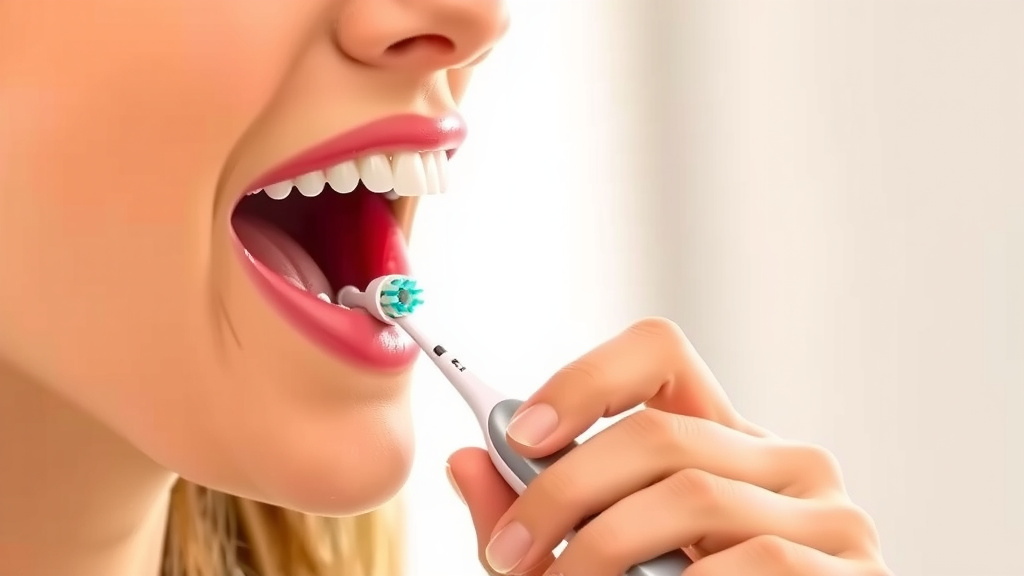
- Angle Matters: Try angling the brush head at about a 45-degree angle towards your gum line. This helps clean both the tooth surface and the gum pocket effectively.
- Tongue Cleaning: Don’t forget your tongue! Many electric toothbrushes have modes or brush heads designed for gentle tongue cleaning. This can help reduce bad breath.
- Rinse Well: After brushing, rinse your mouth thoroughly with water. If you’re not using fluoride toothpaste, consider a fluoride mouthwash.
- Floss Daily: Brushing alone isn’t enough. Flossing is essential for cleaning between teeth where the brush can’t reach.
Quick Checklist for Electric Toothbrushing Success
Here’s a quick way to check if you’re on the right track:
- Apply a pea-sized amount of toothpaste.
- Let the brush head do the scrubbing motion.
- Hold the brush on each tooth for a few seconds.
- Cover all outer, inner, and chewing surfaces.
- Brush for the full two minutes.
- Replace your brush head every 3-4 months.
Conclusion
You’re now equipped with the knowledge to make your electric toothbrush truly shine. Remember, the key is to let the brush do the work while you gently guide it. Focus on holding the brush head on each tooth for a few seconds, ensuring you cover every surface. By avoiding the scrubbing motion and following the two-minute rule, you’re well on your way to a superior clean. Make it a habit to check your brush head’s condition and replace it regularly. Your smile will thank you for taking these simple steps!
Frequently Asked Questions
How long should I hold the electric toothbrush on each tooth?
You should hold the electric toothbrush head on each tooth for a few seconds, typically around 2-3 seconds. This allows the bristles to effectively clean the tooth surface and gum line without you needing to scrub.
Is it okay to still scrub a little with an electric toothbrush?
It’s best to avoid scrubbing motions altogether. Electric toothbrushes are designed to vibrate or rotate on their own. Excessive scrubbing can be harsh on your gums and tooth enamel and may even damage your toothbrush.
What’s the best way to clean the inside surfaces of my front teeth?
For the inside surfaces of your front teeth, you can tilt the electric toothbrush head vertically. This allows the bristles to reach the tricky areas more effectively, ensuring a thorough clean on all surfaces.
How often should I replace my electric toothbrush head?
Dental professionals recommend replacing your electric toothbrush head every three to four months. Over time, the bristles can fray and become less effective at removing plaque, so keeping it fresh is important.
Do electric toothbrushes have built-in timers?
Yes, most modern electric toothbrushes come with built-in timers. These often alert you every 30 seconds to move to a different quadrant of your mouth, helping you brush for the dentist-recommended two minutes.