How Do Electric Toothbrushes Charge? Easy Guide
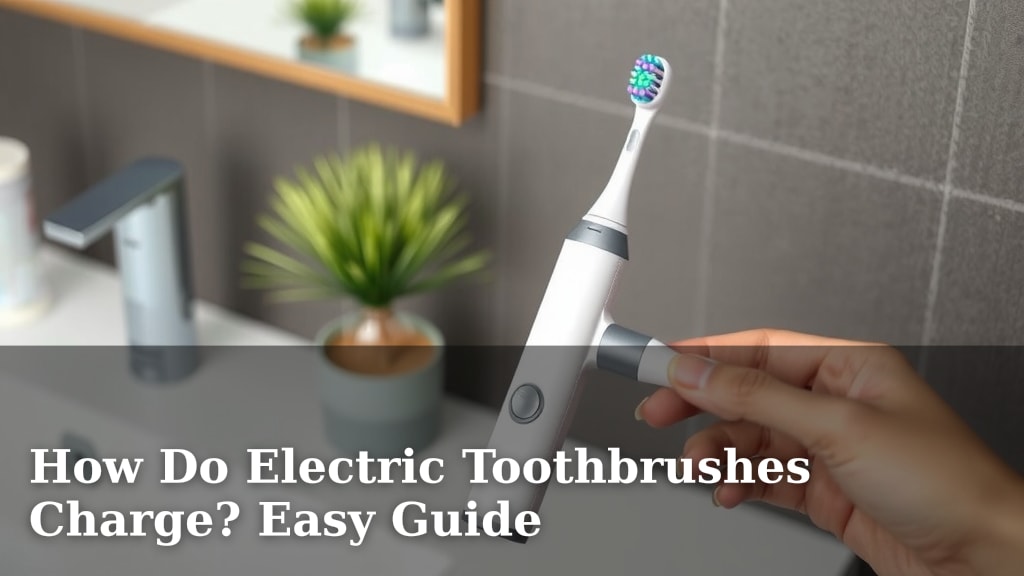
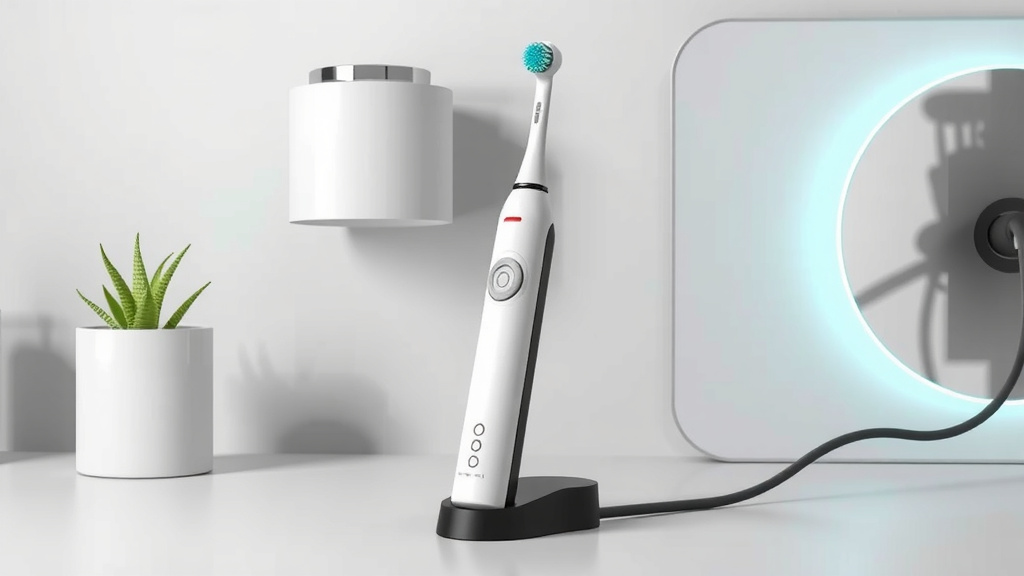
Electric toothbrushes charge using inductive charging, a smart wireless method. Your toothbrush uses a special coil that works with the charger’s coil. This creates a magnetic field to send power. It’s a super convenient way to keep your brush ready for action. You don’t need to plug anything directly into the toothbrush itself.
This clever charging system means no exposed metal parts on your toothbrush. That makes it safer around water. Many dentists agree that this technology helps make electric toothbrushes a reliable oral hygiene tool. You’ll find most come with a charging base you just plug into the wall.
- Electric toothbrushes use wireless inductive charging.
- A coil in the brush interacts with a coil in the charger.
- This creates a magnetic field to transfer power.
- It’s a safe and easy way to keep your brush powered up.
So, how does this magic really work, and what else should you know about keeping your electric toothbrush charged and ready to fight plaque? Let’s break down the simple science behind it.
Understanding How Your Electric Toothbrush Gets Its Power
You’re probably wondering about the magic behind your electric toothbrush’s charging. It’s actually quite clever and uses something called inductive charging. Think of it like a gentle, wireless handshake between the charger and your toothbrush. We’ll break down exactly how this works so you can keep your brush humming.
The Core Technology: Inductive Charging Explained
At its heart, your electric toothbrush charging is all about electromagnetic fields. It’s a method that’s been around for a while but has become super common in personal care devices. The biggest win here is that you never have to fiddle with cords or ports on the toothbrush itself. This makes it incredibly safe for bathroom use, where water is often nearby.
How the Coils Work Together
Your toothbrush has a small coil inside its handle. Your charging base also has a coil. When you place the toothbrush onto the base, these two coils align. The charging base sends an alternating electric current through its coil. This current creates a fluctuating magnetic field. This magnetic field then passes through the toothbrush’s coil. This is where the magic happens. The field induces an electric current in the toothbrush’s coil. This current is then used to charge the battery inside your toothbrush.
Why No Direct Connection?
The genius of inductive charging is its lack of physical contact. This means there are no exposed metal parts that could corrode or cause a shock. It’s a design choice that prioritizes safety and durability. Imagine trying to plug a wet toothbrush into a wall outlet – not a good scenario! Inductive charging avoids this entirely. This design also means fewer moving parts and a more streamlined, water-resistant unit.
What’s Inside Your Charging Base?
The charging base itself is more than just a stand. It contains the electronics needed to generate that magnetic field. This includes a power supply that converts your wall outlet’s electricity into the right kind of current for the charging coil. It also has the primary coil that starts the whole process. When you plug the base into the wall, it’s essentially powering up this coil to create the magnetic field. The base is designed to be robust and handle constant use.
The Battery Inside Your Toothbrush
Most electric toothbrushes use rechargeable batteries, typically lithium-ion or nickel-metal hydride (NiMH) batteries. These are the same types of batteries found in many other modern gadgets. The power generated by the inductive charging is fed directly to this internal battery. Over time, these batteries can wear out, just like in your smartphone. However, many electric toothbrushes are designed so the battery can be replaced, though this isn’t always easy for the average user.
Battery Life and Charging Time
Charging times can vary quite a bit between different models and brands. Some brushes might charge fully in as little as 12 hours, while others can take up to 24 hours. Once fully charged, your toothbrush can often last for weeks, depending on how often you use it and for how long. This is why many people find they only need to charge their toothbrush once every few weeks, making it very convenient for travel. We found that typical usage, brushing twice a day for two minutes, often yields around 14 days of battery life on a full charge for many popular models.
Different Types of Electric Toothbrush Chargers
While the core inductive technology is similar, you might see a few variations in the charging bases. Some are simple, no-frills stands. Others come with additional features. For instance, some higher-end models offer charging bases that also act as sanitizers using UV light. You might also find travel cases that have built-in charging capabilities. Regardless of the style, the underlying principle of using a magnetic field to transfer power remains the same.
Standard Charging Bases
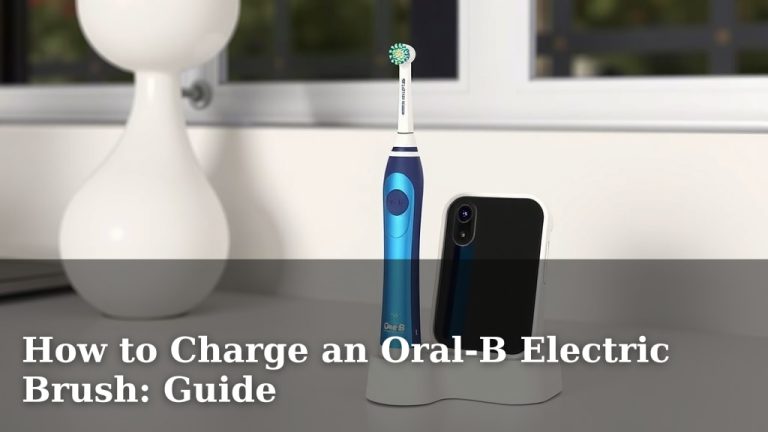
These are the most common. You simply plug the base into a standard wall outlet. The toothbrush then sits on top or in a cradle. It’s straightforward and effective. Many manufacturers include an extra-long cord, which is helpful for bathrooms with outlets farther away from the sink.
Charging Travel Cases
These are fantastic for people who travel frequently. The case itself can be charged via USB or a wall adapter. Then, when you place your toothbrush inside, it charges wirelessly. Some advanced cases can even charge your toothbrush multiple times before needing to be recharged themselves. This means you can leave the charger at home for shorter trips.
Troubleshooting Common Charging Issues
It’s rare, but sometimes your toothbrush might not seem to be charging. Don’t panic! Here are a few things to check. First, ensure the charging base is properly plugged into a working wall outlet. Test the outlet with another device if you’re unsure. Make sure the toothbrush is sitting correctly on the base. Sometimes, even a slight misalignment can prevent the inductive charging from starting. Residue on the charging contacts (on the base) or the toothbrush can also interfere. A quick wipe with a damp cloth can often fix this.
When to Consider a Replacement
Like all batteries, the one in your toothbrush has a lifespan. If you notice that your brush is holding less and less of a charge, or it dies very quickly even after a full charging cycle, the battery might be nearing the end of its life. Many experts suggest that lithium-ion batteries typically last for 2-3 years of regular use before performance noticeably degrades (National Institutes of Health). At that point, you might need to consider replacing the toothbrush handle or, if possible, the battery itself.
Keeping Your Brush Ready to Go: A Quick Checklist
Here’s a simple way to make sure your electric toothbrush is always ready for your morning and evening routines:
- Place your toothbrush on its charging base after each use.
- Wipe the charging base and toothbrush occasionally to remove debris.
- Check that the charging light on your toothbrush or base indicates it’s charging.
- If traveling, use a charging travel case or pack the standard charger.
- Monitor battery life; if it drops significantly, investigate charging issues.
- Consider battery degradation after 2-3 years of consistent use.
Conclusion
You now understand that your electric toothbrush charges using a clever inductive charging system. It’s all about magnetic fields and coils, no direct plugs needed! This wireless convenience keeps your brush safe and ready to go. Remembering to place your toothbrush on its charger regularly is key. You’ll enjoy a cleaner smile and less hassle. Keep your brush charged, and your oral hygiene routine will thank you.
Frequently Asked Questions
Can I use any electric toothbrush charger with my toothbrush?
Generally, no. Most electric toothbrush brands use proprietary charging bases designed for their specific models. Using a charger from a different brand might not work or could even damage your toothbrush’s battery. Always check your toothbrush manual for the correct charging base.
How often should I charge my electric toothbrush?
This varies by model, but most electric toothbrushes can last for 1-2 weeks on a single charge with twice-daily use. It’s a good habit to place your toothbrush on its charging base after each use or at least once a week to ensure it’s always ready when you need it.
Why does my electric toothbrush take so long to charge?
The charging process relies on inductive charging, which is slower than direct plug-in charging for safety reasons. It also depends on the battery size and capacity of your toothbrush. Longer charging times ensure the battery is fully charged and protected from damage.
Can I leave my electric toothbrush on the charger all the time?
Yes, for most modern electric toothbrushes, it’s perfectly safe to leave them on the charging base when not in use. They have built-in circuits to prevent overcharging, so the battery won’t be harmed by continuous charging.
What does the charging light on my toothbrush mean?
The charging light is your indicator! It typically shows if the toothbrush is charging, fully charged, or if the battery is low. Some lights flash while charging and turn solid when full. Refer to your toothbrush’s manual for the specific meaning of its light indicators.