How to Brush Teeth With an Electric Toothbrush
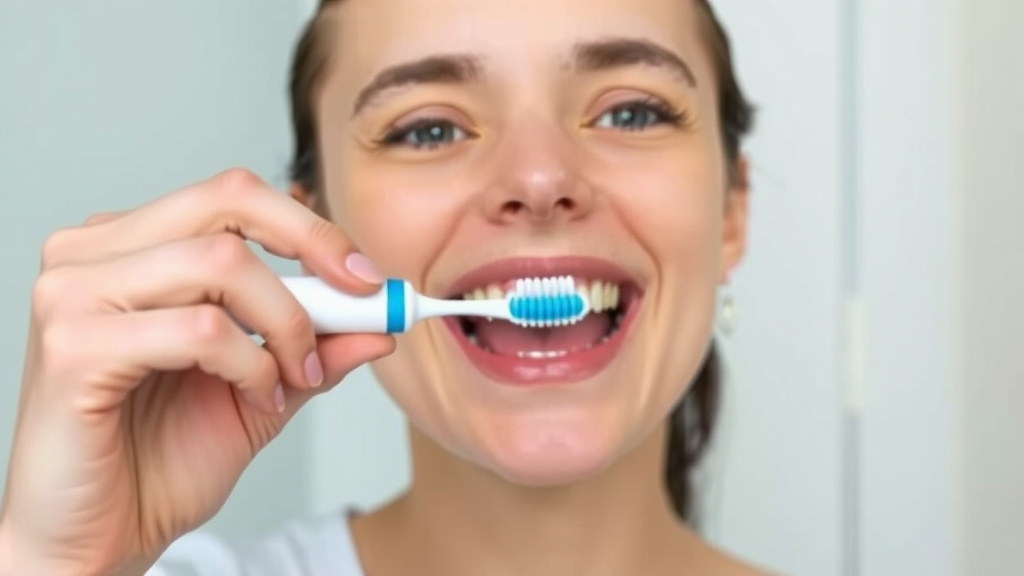
The best way to brush your teeth with an electric toothbrush is to let the brush do the work. Simply guide the vibrating or rotating head from tooth to tooth, spending a few seconds on each surface. You’ll get a deeper clean with less effort than manual brushing.
Using an electric toothbrush can feel different at first. Many people find they achieve a superior clean and can reduce plaque buildup more effectively. We found that the automatic motions help you hit all the spots, even those tricky back teeth, for a healthier smile.
- Let the brush do the moving.
- Hold it gently on each tooth.
- Angle it towards the gum line.
- Brush all surfaces of your teeth.
- Don’t forget your tongue!
Ready to get the most out of your electric toothbrush? Let’s walk through exactly how to use it step by step for a fantastic clean.
Mastering Your Electric Toothbrush Technique
Switching to an electric toothbrush can feel like a big upgrade for your oral hygiene. You might wonder if you’re really getting the most out of it. The good news is that with a few simple adjustments, you can achieve a dentist-level clean right at home. We found that the key is letting the brush do the hard work for you. Your job is simply to guide it. Let’s walk through how to use your electric toothbrush effectively, tooth by tooth.
Getting Started: Pre-Brushing Steps
Prepare Your Brush Head
Before you even think about turning on the brush, you’ll want to apply toothpaste. Squeeze a pea-sized amount of fluoride toothpaste onto your brush head. Most electric toothbrush heads are quite small, so you don’t need a lot. Too much toothpaste can create excessive foam, making it harder to see what you’re doing. We found that using just a little bit ensures a good clean without the mess.
Moisten, But Don’t Drown
A little bit of water can help the toothpaste spread. You can either lightly wet the brush head before applying toothpaste or rinse it briefly after. Avoid holding the brush under a strong stream of water for too long, as this can wash away some of the toothpaste. The goal is a nice lather, not a bubble bath for your bathroom sink.
The Brushing Process: Step-by-Step Guidance
Positioning is Key: The 45-Degree Angle
This is where the magic happens. For a superior clean along the gum line, angle the brush head at about 45 degrees towards your gums. This allows the bristles to gently sweep away plaque and debris from both the tooth surface and the area where your teeth meet your gums. Many dental professionals recommend this angle for optimal plaque removal (American Dental Association). Think of it as giving your gum line a gentle massage.
Let the Brush Do the Work: Tooth-by-Tooth Approach
Unlike manual brushing where you scrub back and forth, with an electric toothbrush, you just hold it in place. Place the bristles on one tooth and let the brush vibrate or rotate for a few seconds. You’ll feel the cleaning action. Then, gently move to the next tooth. Don’t apply too much pressure; let the electric power do the cleaning. Research suggests that excessive pressure can actually damage enamel and gums.
Covering All Surfaces
It’s easy to miss spots if you’re not mindful. We recommend dedicating about 30 seconds per quadrant of your mouth. That means roughly 2 minutes total brushing time, which is what most dentists advise. Within each quadrant, make sure you brush the outer surfaces, the inner surfaces, and the chewing surfaces of all your teeth. Some electric toothbrushes even have built-in timers to help you stay on track.
Outer Surfaces
Start with the outside of your teeth. Hold the brush head against each tooth for a few seconds before moving to the next. Remember that 45-degree angle towards the gum line. This is especially important for those hard-to-reach molars in the back.
Inner Surfaces
Next, focus on the inside surfaces of your teeth. The technique is the same: angle the brush head towards the gum line and let it work. For the inside surfaces of your front teeth, you might need to tilt the brush head vertically to reach them properly. You want to ensure no area is left untouched.
Chewing Surfaces
Finally, don’t forget the tops of your teeth where you chew. Hold the brush head flat against these surfaces and let it clean away any food particles. This step is crucial for preventing cavities and keeping your teeth smooth.
Don’t Forget Your Tongue!
Your tongue can harbor bacteria that cause bad breath. Many electric toothbrushes have a tongue-cleaning mode or a specially designed back surface on the brush head. If yours doesn’t, you can gently brush your tongue with the regular bristles or use a separate tongue scraper. A quick sweep from back to front can make a big difference in your overall oral freshness. We found that incorporating this step leaves your mouth feeling truly clean.
Post-Brushing Habits for a Lasting Clean
Rinse and Admire
Once you’ve finished brushing all surfaces and your tongue, rinse your mouth thoroughly with water. Spit out any excess toothpaste and foam. Take a moment to admire your sparkling clean teeth in the mirror! You’ve just given your smile a fantastic treatment.
Clean Your Brush Head
After each use, rinse your brush head thoroughly under running water to remove any toothpaste or debris. Shake off the excess water and store your toothbrush upright, allowing it to air dry. This helps prevent bacteria growth. It’s a small step that contributes to maintaining your toothbrush’s hygiene.
Know When to Replace Your Brush Head
Brush heads don’t last forever. Most manufacturers recommend replacing them every 3 to 4 months, or sooner if the bristles become frayed. Worn-out bristles won’t clean effectively and can even harm your gums. Many electric toothbrushes have indicator bristles that fade when it’s time for a change, which we found to be a really helpful reminder.
Here’s a quick checklist to ensure you’re brushing like a pro:
- Apply a pea-sized amount of toothpaste.
- Angle the brush head 45 degrees towards the gums.
- Hold the brush; don’t scrub.
- Spend a few seconds on each tooth surface.
- Brush outer, inner, and chewing surfaces.
- Clean your tongue.
Conclusion
You’ve learned how to harness the power of your electric toothbrush for a cleaner, healthier smile. Remember, the key is to let the brush do the work, guiding it gently from tooth to tooth at a 45-degree angle toward the gum line. By covering all surfaces and remembering your tongue, you’re well on your way to achieving superior oral hygiene. Make this technique a part of your daily routine, and you’ll notice the difference. Your next step? Brush your teeth right now using these expert tips!
Frequently Asked Questions
How long should I brush my teeth with an electric toothbrush?
Most dentists recommend brushing for a total of two minutes. Many electric toothbrushes come with a built-in timer that pulses every 30 seconds to signal when to move to a different quadrant of your mouth. This ensures you give each section adequate attention.
Can I use the same amount of pressure as a manual toothbrush?
No, you should use much less pressure with an electric toothbrush. The electric motor provides the cleaning power. Pressing too hard can damage your enamel and gums, and it won’t actually make your teeth cleaner. Let the brush’s vibrations or rotations do the scrubbing.
How often should I replace my electric toothbrush head?
It’s generally recommended to replace your electric toothbrush head every three to four months. If you notice the bristles are fraying or splayed out before then, it’s time for a change sooner. Worn bristles are less effective at cleaning and can be harsh on your gums.
Is it okay to use mouthwash after brushing with an electric toothbrush?
Yes, you can use mouthwash after brushing if you like. However, rinsing with water is often sufficient for most people. Some dentists suggest waiting a bit after brushing with fluoride toothpaste before rinsing or using mouthwash, to allow the fluoride more time to work on your teeth.
My electric toothbrush feels too powerful, what can I do?
If the vibration feels too intense, try applying less pressure. Also, ensure you’re holding the brush head gently against each tooth rather than scrubbing. Some electric toothbrushes have different intensity settings that you can adjust for a more comfortable experience.