Electric Toothbrush vs Waterpik: Which Is Better?
When comparing an electric toothbrush and a Waterpik, your best bet for superior plaque removal and gum health is usually the electric toothbrush, especially for everyday cleaning. While a Waterpik excels at cleaning between teeth and along the gumline, it doesn’t replace the need for a toothbrush to remove plaque from tooth surfaces. Think of them as a dynamic duo rather than an either/or choice.
Many dental professionals recommend using both for optimal oral hygiene. An electric toothbrush provides a thorough clean of your tooth surfaces, while a Waterpik flushes out debris and bacteria from areas a brush can miss. Research consistently shows that electric toothbrushes can be more effective than manual brushing for reducing gingivitis and plaque.
- Electric toothbrushes are generally better for overall plaque removal from tooth surfaces.
- Waterpiks are excellent for cleaning between teeth and below the gumline.
- Using both can provide the most comprehensive oral hygiene.
- Consider your specific dental needs when choosing.
Let’s break down what each tool brings to your daily routine and how you can best use them together for a healthier smile.
Electric Toothbrush vs. Waterpik: Making the Right Choice for Your Smile
Choosing between an electric toothbrush and a Waterpik can feel like a big decision for your oral hygiene. Both tools aim to improve your clean, but they do it in different ways. We found that an electric toothbrush is generally your best bet for daily plaque removal from tooth surfaces. A Waterpik, on the other hand, is fantastic for reaching those tricky spots. Think of them less as rivals and more as potential teammates for your mouth!
Many dental professionals suggest that combining both can lead to a superior clean. The electric toothbrush tackles the main surfaces of your teeth. The Waterpik then acts like a powerful rinse, flushing out food particles and bacteria from areas your brush might miss, like between teeth and just below the gumline. Research often shows electric toothbrushes outperform manual ones in reducing plaque and gingivitis (NCBI).
Understanding Your Electric Toothbrush
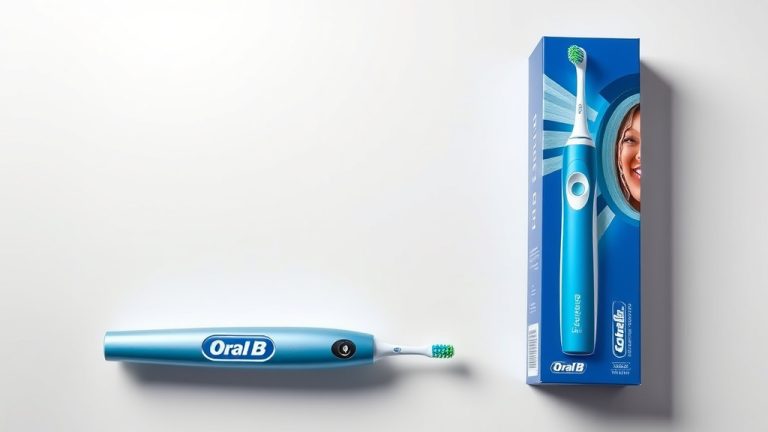
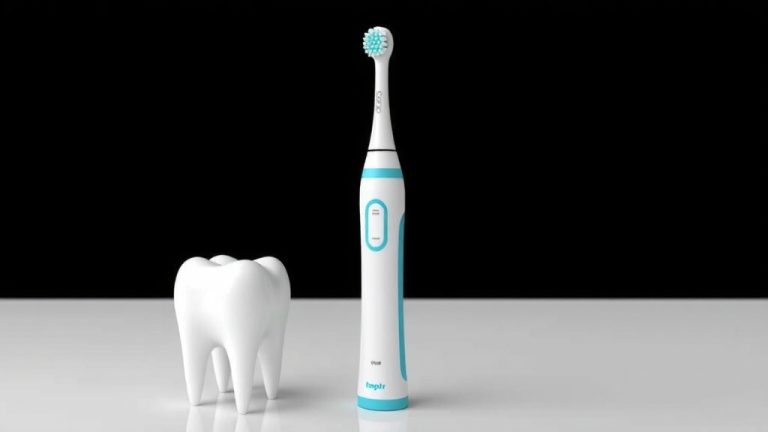
An electric toothbrush is designed to scrub away plaque from the main surfaces of your teeth. It uses oscillating or sonic vibrations to do the hard work for you. This means less effort on your part for a potentially better clean compared to a manual brush. We found that this active scrubbing action is key to removing the sticky film of bacteria that can lead to cavities and gum disease.
How an Electric Toothbrush Works
Electric toothbrushes come in two main types: oscillating-rotating and sonic. Oscillating-rotating brushes have a small, round head that spins back and forth. Sonic brushes have a brush head that vibrates at very high speeds. Both types aim to dislodge plaque effectively. Many studies indicate that these brushes are more effective than manual brushing for removing plaque (Cleveland Clinic).
Benefits of Using an Electric Toothbrush Daily
Using an electric toothbrush every day can lead to some noticeable improvements in your oral health. You might find your teeth feel smoother and cleaner after brushing. Many users report less gum irritation and bleeding. This is because the consistent, gentle motion of an electric brush can be kinder to your gums than aggressive manual brushing. Plus, many models come with built-in timers to ensure you brush for the dentist-recommended two minutes.
Exploring the Power of a Waterpik (Water Flosser)
A Waterpik, also known as a water flosser, uses a targeted stream of water to clean. It doesn’t scrub like a toothbrush. Instead, it pulses water to dislodge food particles and flush away bacteria. This makes it incredibly useful for areas that are difficult to reach with traditional flossing or brushing alone. We found it’s particularly good for people with braces, bridges, or crowns.
What Makes a Waterpik Unique?
The primary difference is the cleaning action. A Waterpik cleans with water pressure, while an electric toothbrush cleans with bristles. This makes the Waterpik excellent for cleaning between teeth and along the gumline where plaque can hide. It’s a gentler option for those who find string floss difficult or uncomfortable. Many people with sensitive gums appreciate the soothing yet effective cleaning action.
When a Waterpik Shines: Specific Use Cases
A Waterpik is a lifesaver for certain dental situations. If you have braces, the water stream can easily clean around the brackets and wires. For those with bridges or implants, it’s a fantastic tool for ensuring those areas are free of debris. It’s also great for people with periodontal pockets, as the water can reach deeper than a brush or floss. Think of it as a deep-cleaning rinse for your whole mouth.
Direct Comparison: Electric Toothbrush vs. Waterpik
To make the decision easier, let’s look at how they stack up side-by-side. Remember, they serve different primary purposes in your oral care routine.
| Feature | Electric Toothbrush | Waterpik (Water Flosser) |
|---|---|---|
| Primary Function | Plaque removal from tooth surfaces | Flushing debris and bacteria from between teeth and gumline |
| Cleaning Action | Scrubbing/vibrating bristles | Pulsating water stream |
| Best For | Daily overall cleaning, plaque reduction | Deep cleaning between teeth, gumline, braces, implants |
| Effectiveness on Surfaces | High | Low (does not remove surface plaque) |
| Effectiveness Between Teeth | Moderate (depending on brush head and technique) | High |
Plaque Removal: The Electric Toothbrush’s Strength
When it comes to getting rid of that fuzzy layer of plaque on your teeth, an electric toothbrush is the clear winner. Its mechanical action is designed to physically sweep away plaque. We found that most people achieve better plaque removal with an electric toothbrush than with a manual one, especially when they are new to using one. Consistent brushing twice a day is key.
Gum Health and Deep Cleaning: Where the Waterpik Excels
For cleaning below the gumline and between teeth, the Waterpik offers a unique advantage. It can reach into pockets and crevices that toothbrushes cannot. This ability to flush out bacteria is vital for preventing gum disease. Guidelines often recommend daily flossing, and a Waterpik can be a more comfortable and effective alternative for many individuals (CDC).
The Power Duo: Using Both for Optimal Oral Hygiene
So, is it electric toothbrush *or* Waterpik? We found that the answer for most people is actually electric toothbrush *and* Waterpik. Combining them gives you the best of both worlds. You get the thorough surface cleaning of an electric toothbrush and the deep interdental cleaning of a Waterpik. This is the approach many dental hygienists recommend for a truly comprehensive clean.
Integrating Them into Your Routine
How should you use them together? A common recommendation is to brush with your electric toothbrush first. This removes the bulk of plaque from your tooth surfaces. Then, follow up with your Waterpik. Use it to clean between your teeth and along your gumline, flushing away any remaining debris. This sequence ensures that you are targeting all areas of your mouth effectively. It might seem like extra steps, but it’s a small investment for a healthier smile!
Tips for Maximum Benefit
To get the most out of both devices, remember a few key points:
- Always use your electric toothbrush for at least two minutes, twice a day.
- Ensure your electric toothbrush head is replaced regularly, usually every 3-4 months.
- When using the Waterpik, aim the water stream at a 90-degree angle to your gums.
- Start with the lowest pressure setting on your Waterpik and gradually increase it as you get comfortable.
- Don’t forget to brush your tongue! Some electric toothbrushes have special modes for this.
- Consider using a water flosser with a specialized tip if you have orthodontic appliances or implants.
Conclusion
You’ve learned that while electric toothbrushes are champions for daily plaque removal, Waterpiks excel at cleaning between teeth and along the gumline. For many, the best oral hygiene routine combines both. An electric toothbrush handles the surface clean, and a Waterpik reaches those harder-to-get spots. We found that this two-pronged approach offers the most thorough clean. Ready to upgrade your smile? Consider integrating both tools into your daily routine for healthier gums and cleaner teeth.
Frequently Asked Questions
Can a Waterpik really replace flossing?
Yes, a Waterpik can be a great alternative to traditional string floss for many people. It effectively removes plaque and food particles from between teeth and below the gumline. If you find string floss difficult to use or uncomfortable, a Waterpik is an excellent option to consider.
How often should I use a Waterpik?
Most dental professionals recommend using a Waterpik once a day. It’s best used after brushing with your electric toothbrush. This ensures you’re flushing away any remaining debris that the brush might have missed.
Is an electric toothbrush better than a manual one for everyone?
While research often shows electric toothbrushes are more effective, a manual brush can still provide a good clean if used correctly. However, if you struggle with technique, have dexterity issues, or want a more consistent clean, an electric toothbrush is likely a better choice for you.
Can I use both an electric toothbrush and a Waterpik on the same day?
Absolutely! Using both an electric toothbrush and a Waterpik daily provides the most comprehensive oral hygiene. Brush with your electric toothbrush first, then use the Waterpik to deep clean between your teeth and along your gumline.
What if I have sensitive gums?
If you have sensitive gums, a Waterpik can be a gentler option than string floss. You can start with the lowest pressure setting on your Waterpik and gradually increase it as you become more comfortable. Electric toothbrushes also often have modes designed for sensitive gums.