Electric vs Manual: Oral Hygiene Benefits
When it comes to oral hygiene, electric toothbrushes often offer a superior clean over manual ones. Research has found that electric models can remove more plaque and reduce gum inflammation more effectively. This is largely due to their advanced cleaning actions, like oscillating or sonic vibrations, which do a lot of the work for you.
Choosing the right toothbrush is a big step toward maintaining your smile. While both types can keep your teeth clean, understanding their unique benefits can help you make the best choice for your daily routine. We’ve looked into the data to help you decide which is right for your mouth.
TL;DR:
- Electric toothbrushes generally remove more plaque than manual brushes.
- They can also be better at reducing gum inflammation.
- Many electric models have built-in timers to ensure you brush long enough.
- Some people find electric brushes easier to use, especially those with dexterity issues.
Let’s walk through the oral hygiene benefits of each type to help you pick the best brush for your needs.
Choosing Your Best Brush: Electric vs. Manual Oral Care
Deciding between an electric and a manual toothbrush might seem simple. But both have their own strengths for keeping your mouth healthy. We looked into what makes each type stand out. This can help you pick the right tool for your smile.
The Power of Electric: Advanced Cleaning Technology
Electric toothbrushes bring a lot of tech to your bathroom sink. They often use oscillating-rotating or sonic vibrations. These motions help to break up plaque more effectively. Many studies have shown electric models are better at this. They can clean teeth more thoroughly than you might achieve by hand alone.
How Electric Brushes Work Their Magic
Think of an electric toothbrush as having a built-in cleaning assistant. The brush head moves rapidly. This can be thousands of movements per minute. These high-speed actions can dislodge plaque and food particles. It’s like having a mini-power wash for your teeth. This is especially helpful in hard-to-reach areas.
Sonic Vibrations: A Gentle Yet Effective Approach
Some electric brushes use sonic technology. They vibrate at very high frequencies. These vibrations create dynamic cleaning action. This helps to push toothpaste and water between teeth. It also cleans along the gumline. Research suggests this method is very effective at removing plaque. It can also be gentler on your gums compared to aggressive manual brushing.
Oscillating-Rotating Heads: The Deep Cleaners
Other electric brushes feature oscillating-rotating heads. These heads move back and forth in a circular motion. They cup around each tooth. This action provides a thorough scrubbing effect. Many dentists recommend this type for its plaque-removing power. It’s like having a professional cleaning every day.
Ease of Use and Convenience
For many people, electric toothbrushes are simply easier to use. You don’t need to master complex brushing techniques. The brush does most of the work for you. This is a big plus for those with limited mobility. Conditions like arthritis or carpal tunnel can make manual brushing difficult. An electric brush can restore independence in oral care.
Built-in Timers: Brushing for the Right Amount of Time
One common issue with manual brushing is not brushing long enough. Most dentists recommend brushing for two minutes. Electric toothbrushes often come with built-in timers. These timers alert you every 30 seconds to switch quadrants of your mouth. They also signal when two minutes are up. This ensures you’re getting an adequate clean every time.
Pressure Sensors: Protecting Your Gums
Brushing too hard can damage your gums and enamel. This is a frequent problem with manual brushing. Electric toothbrushes can help prevent this. Many models include pressure sensors. These sensors will alert you if you’re pressing too hard. Some even stop vibrating or slow down. This protects your delicate gum tissue.
Manual Toothbrushes: Simplicity and Affordability
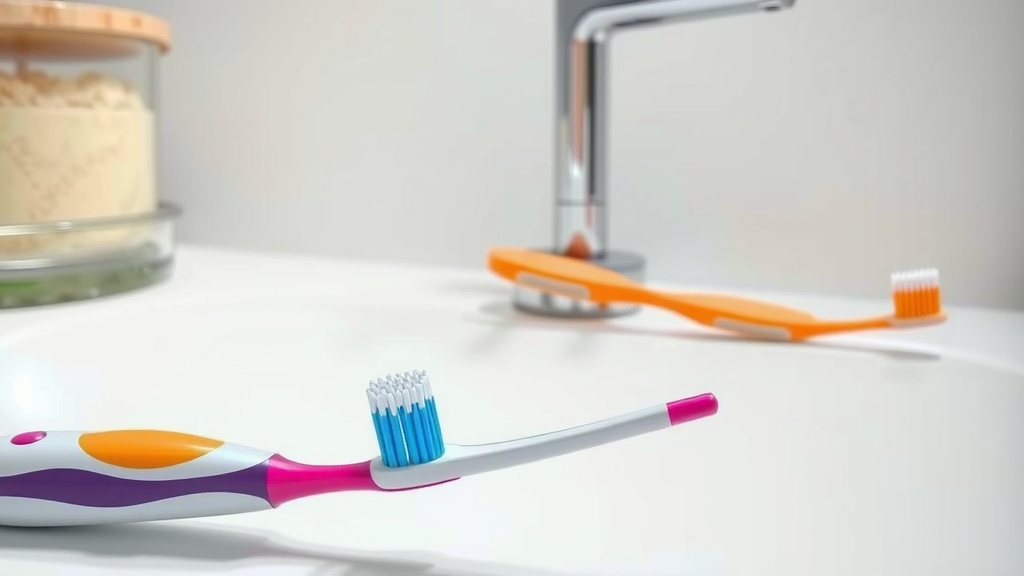
Manual toothbrushes remain a popular choice for good reason. They are simple, affordable, and accessible. You don’t need to worry about charging them or replacing batteries. They work well when used with proper technique.
The Importance of Technique with Manual Brushes
With a manual toothbrush, your technique is key. You need to move the brush gently. Use short, back-and-forth strokes. Make sure to cover all surfaces of your teeth. Angle the bristles towards the gumline. This helps clean effectively. It requires a bit more focus. But a manual brush can still achieve excellent results. Many dental professionals agree on this point.
Cost-Effectiveness and Accessibility
Manual toothbrushes are generally much cheaper than electric models. You can find a decent manual brush for just a few dollars. They are available in almost every store. This makes them a very accessible option for everyone. Replacing them is also inexpensive. This helps maintain good hygiene without breaking the bank.
Portability and Travel-Friendliness
When you travel, a manual toothbrush is incredibly convenient. You don’t need to pack a charger or worry about outlets. They are lightweight and take up very little space. This makes them ideal for packing in a purse, backpack, or travel bag. You can easily maintain your oral care routine on the go.
| Feature | Electric Toothbrush | Manual Toothbrush |
|---|---|---|
| Plaque Removal | Generally superior due to powered movements. | Effective with proper technique. |
| Gum Health | Can reduce inflammation better; pressure sensors help. | Requires careful brushing to avoid damage. |
| Ease of Use | High; less technique-dependent. | Moderate; requires good technique. |
| Features | Timers, pressure sensors, multiple modes. | Basic cleaning tool. |
| Cost | Higher initial cost, replacement heads can add up. | Very affordable. |
| Portability | Requires charging; bulkier. | Highly portable and travel-friendly. |
Making the Right Choice for You
Ultimately, the best toothbrush is the one you will use consistently and correctly. If you struggle with manual brushing technique, an electric model might be a great investment. If you prefer simplicity and are diligent with your brushing, a manual brush can work wonders. Consider your personal needs and preferences. Consulting with your dentist can also provide tailored advice.
Here’s a quick checklist to help you decide:
- Do you find it hard to brush for the full two minutes?
- Do you sometimes press too hard when brushing?
- Do you have any dexterity issues that make brushing difficult?
- Are you looking for a more advanced cleaning experience?
- Is budget a primary concern for your oral care tools?
- Do you travel frequently and need a simple, portable solution?
Conclusion
Choosing between an electric and manual toothbrush comes down to your personal needs and habits. Research shows electric brushes often provide a superior clean by removing more plaque and improving gum health. They offer helpful features like timers and pressure sensors that can boost your brushing effectiveness. However, a manual brush, when used with proper technique, can still offer excellent oral hygiene and is a budget-friendly, portable option. The most important thing is to find the brush you’ll use consistently and correctly every day to maintain a healthy smile.
Frequently Asked Questions
Is an electric toothbrush really worth the extra cost?
For many people, yes. Studies have shown electric toothbrushes are often more effective at removing plaque and reducing gum inflammation. Features like built-in timers and pressure sensors can also help you improve your brushing habits, making them a worthwhile investment for long-term oral health.
Can I get the same clean with a manual toothbrush if I brush perfectly?
It’s possible to achieve excellent results with a manual toothbrush if you use the correct technique consistently and brush for the full recommended two minutes. However, research suggests that electric toothbrushes tend to remove more plaque overall, even when manual brushing is done well.
Which type of toothbrush is better for sensitive gums?
Electric toothbrushes with pressure sensors can be very beneficial for sensitive gums, as they alert you if you’re brushing too hard. Some sonic electric brushes are also designed to be gentler. However, careful and gentle brushing with a manual toothbrush using soft bristles is also effective for sensitive gums.
Are electric toothbrush replacement heads expensive?
Replacement heads for electric toothbrushes can add to the long-term cost. They typically need to be replaced every 3-4 months, similar to manual toothbrushes. While the initial cost of an electric brush is higher, compare the ongoing cost of replacement heads to how often you’d replace a manual brush.
Which toothbrush is best for people with arthritis or limited hand mobility?
Electric toothbrushes are generally recommended for individuals with arthritis or limited hand mobility. The powered brushing action requires less manual effort and dexterity, making it easier to effectively clean your teeth and maintain good oral hygiene independently.