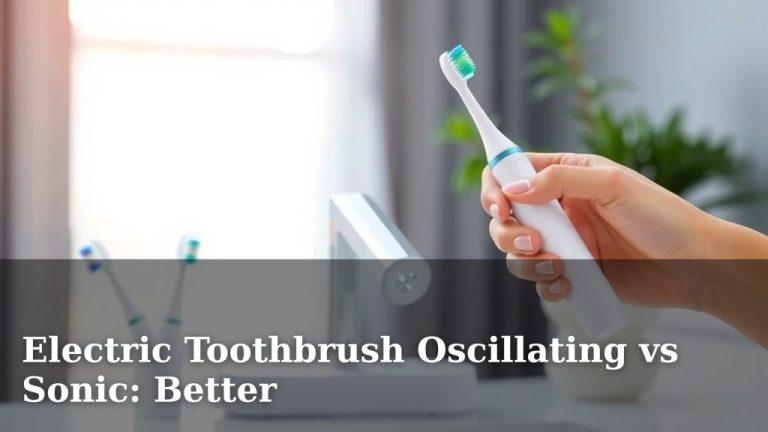
Electric Toothbrush Effectiveness: How Much Better Are They
Yes, electric toothbrushes are generally more effective at cleaning your teeth than manual ones. Studies have found they remove more plaque and reduce gum inflammation better. This is thanks to their power and specialized brush head movements.
If you’re wondering whether making the switch is worth it, the research points to a clear benefit for your oral hygiene. Many dentists agree that the advanced cleaning action helps achieve a healthier smile with less effort.
- Electric toothbrushes clean plaque better.
- They help reduce gum swelling.
- Most dentists recommend them.
- You might get a healthier smile.
Let’s look closer at how much more effective electric toothbrushes really are and what that means for your daily brushing routine.
How Much Better Are Electric Toothbrushes?
You might be wondering if all the hype around electric toothbrushes is true. Are they really that much better than the manual brush you’ve been using for years? The good news is, research consistently shows they offer a superior clean. Studies have found that electric toothbrushes can remove significantly more plaque than manual ones. This means less gunk clinging to your teeth and gums.
Think of it like washing dishes. A manual brush is like using a regular sponge. It gets the job done, but an electric scrubber with oscillating bristles is like a power washer. It gets into every nook and cranny much more effectively. This enhanced cleaning power can lead to fewer cavities and healthier gums.
The Science Behind the Scrub: Why Electric Wins
So, what makes these powered brushes so effective? It really comes down to their technology and design. They do a lot of the hard work for you. This allows you to focus on proper placement rather than the brushing motion itself.
Plaque Removal Power
Let’s get down to brass tacks: plaque. Plaque is that sticky film of bacteria that builds up on your teeth. If left unchecked, it can lead to cavities and gum disease. Multiple studies have pointed to electric toothbrushes as plaque-fighting champions. One review of studies found that electric toothbrushes reduced plaque by about 21% and gum inflammation by 11% compared to manual brushes (Cochrane Database of Systematic Reviews).
The secret sauce is often in the movement. Many electric toothbrushes use oscillating-rotating technology. This means the brush head spins and pulsates rapidly. This action can break up and sweep away plaque more efficiently than you can by hand. Some models even have built-in timers to ensure you brush for the dentist-recommended two minutes. That’s a helpful nudge for many of us!
Gentle on Your Gums
You might think more power means more harshness, right? Not so fast! Electric toothbrushes, when used correctly, are often kinder to your gums. Many models have pressure sensors. These sensors alert you if you’re brushing too hard. Over-brushing can damage your gum tissue and lead to recession.
Manual brushing is where many people fall into the “scrubbing too hard” trap. It’s easy to put too much force behind it. The consistent, controlled movements of an electric toothbrush can actually lead to healthier gums over time. Less gum bleeding and swelling are common benefits reported by users.
Types of Electric Toothbrushes and Their Strengths
Not all electric toothbrushes are created equal. Understanding the different types can help you pick the best one for your needs.
Oscillating-Rotating Models
These are the most common type. The brush head is typically small and round. It spins in one direction, then the other, while also pulsating. This is the technology most often cited in studies showing superior plaque removal. They offer a really thorough clean.
Sonic Toothbrushes
Sonic toothbrushes vibrate at very high speeds. These vibrations create a dynamic cleaning action. They can even clean slightly beyond where the bristles physically touch. This can help clean between teeth and along the gumline effectively.
Think of it like a tiny, super-fast massage for your teeth. The high-frequency vibrations can disrupt plaque even in hard-to-reach areas. Many people find the sensation quite pleasant and effective.
Are There Downsides to Electric Toothbrushes?
While the benefits are clear, it’s fair to consider any potential drawbacks. The most obvious one is the If you’re considering the potential drawbacks, our guide to the best electric toothbrushes can help you weigh the pros and cons.cost. Electric toothbrushes themselves can be more expensive upfront than manual brushes. Replacement brush heads also add to the ongoing expense.
Another consideration is the learning curve. Some people find the vibration or movement takes a little getting used to. It’s not a huge hurdle, but it’s there. Also, you still need to use them correctly. If you just hold it in one spot, you won’t get the full benefit. Proper technique is key, no matter the brush type.
Making the Switch: What to Expect
If you’re thinking about moving to an electric toothbrush, here’s what you can generally expect:
- A noticeable difference in how clean your teeth feel.
- Possibly less gum bleeding after a few days.
- A potentially brighter smile due to better stain removal.
- A bit of adjustment to the feel of the brush.
- The need to remember to charge it!
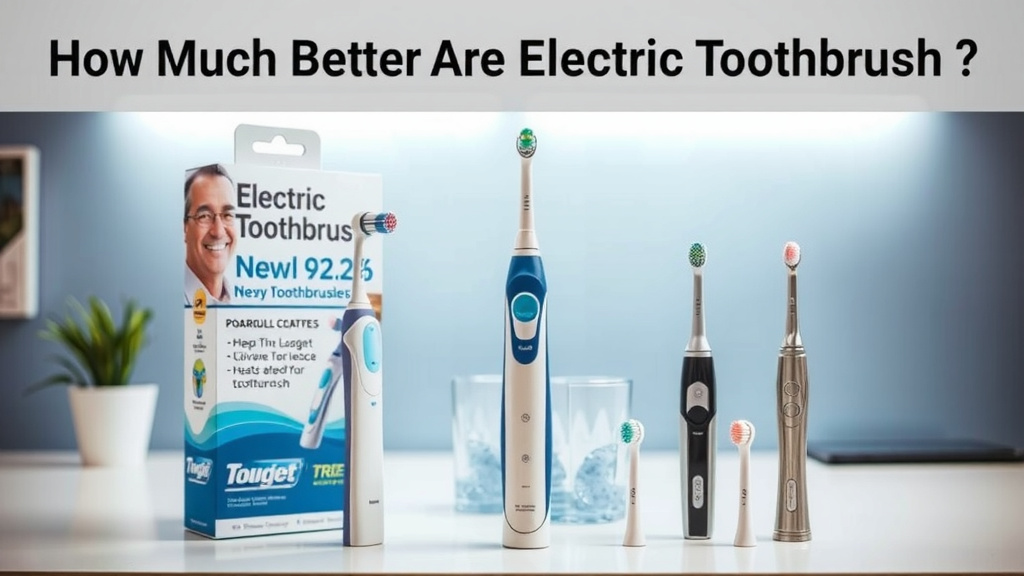
What Dentists Say About Electric Toothbrushes
The general consensus among dental professionals is positive. Many dentists and dental hygienists recommend electric toothbrushes. They often see the benefits firsthand in their patients’ oral health. For individuals with limited mobility, such as those with arthritis, electric toothbrushes can be a true game-changer. The general consensus among dental professionals is positive, and our guide to Consumer Reports’ best electric toothbrushes offers expert insights.
For example, the American Dental Association (ADA) acknowledges the effectiveness of powered toothbrushes. They provide guidelines on what to look for in a toothbrush, including powered options (American Dental Association).
Most dentists agree that the biggest factor in oral health is consistency. Brushing twice a day for two minutes is essential. If an electric toothbrush helps you achieve that consistently and more effectively, it’s a win. Some people find the novelty and ease of use of an electric brush makes them more likely to stick to their brushing routine.
Comparing Electric vs. Manual: A Quick Look
Let’s break down the key differences:
| Feature | Manual Toothbrush | Electric Toothbrush |
|---|---|---|
| Plaque Removal | Good, but depends heavily on technique. | Generally superior, especially oscillating-rotating types. |
| Gum Health | Can be harsh if overused. | Often gentler with pressure sensors. |
| Ease of Use | Requires proper brushing technique. | Requires less manual effort, technology does much of the work. |
| Cost | Low upfront and replacement cost. | Higher upfront cost, replacement heads add ongoing expense. |
| Features | Basic. | Timers, pressure sensors, app connectivity, multiple modes. |
Your Checklist for Better Brushing
Ready to boost your oral hygiene? Here’s a quick checklist to help you:
- Decide if an electric toothbrush is right for you.
- Research different types (oscillating vs. sonic).
- Consider features like timers and pressure sensors.
- Factor in the cost of replacement brush heads.
- Commit to brushing twice a day for two minutes.
- Don’t forget to visit your dentist regularly!
Conclusion
You’ve learned that electric toothbrushes are generally more effective at cleaning your teeth than manual ones. Research consistently shows they remove more plaque and help reduce gum inflammation, leading to a healthier smile. While the initial cost is higher, the advanced technology and ease of use often make the switch worthwhile. Your dentist likely agrees that consistent, effective brushing is key to oral health. If an electric toothbrush helps you achieve that, it’s a smart investment for your smile.
Ready to experience the difference? Consider trying an electric toothbrush during your next dental check-up or by researching models that fit your budget and needs. Your gums and teeth will thank you!
Frequently Asked Questions
How much faster can an electric toothbrush clean my teeth?
Electric toothbrushes don’t necessarily clean your teeth *faster* in terms of time, but they clean more *effectively* within the recommended two minutes. Their powered movements do more work than you can with manual brushing alone, ensuring a more thorough plaque removal in the same amount of time.
Will an electric toothbrush really make my teeth whiter?
Electric toothbrushes can help make your teeth appear whiter by removing surface stains more effectively than manual brushes. The enhanced cleaning action can lift stains from coffee, tea, or food, contributing to a brighter smile over time, though they don’t change the intrinsic color of your teeth.
Are electric toothbrush replacement heads expensive?
The cost of replacement heads is a factor to consider. While they add to the ongoing expense, many brands offer multi-packs or subscription services that can reduce the per-head cost. It’s worth comparing prices and looking for deals when budgeting for your electric toothbrush.
Can I use an electric toothbrush if I have sensitive gums?
Yes, many electric toothbrushes are actually beneficial for sensitive gums. Most modern models include pressure sensors that alert you if you’re brushing too hard, preventing damage. Choose a brush with soft bristles and use gentle pressure for a comfortable and safe clean.
Do electric toothbrushes require special toothpaste?
No, you do not need special toothpaste for electric toothbrushes. You can use your regular fluoride toothpaste. Some people prefer a gel formula as it might lather less with the powered motion, but any standard toothpaste designed for cavity protection and plaque control will work effectively.