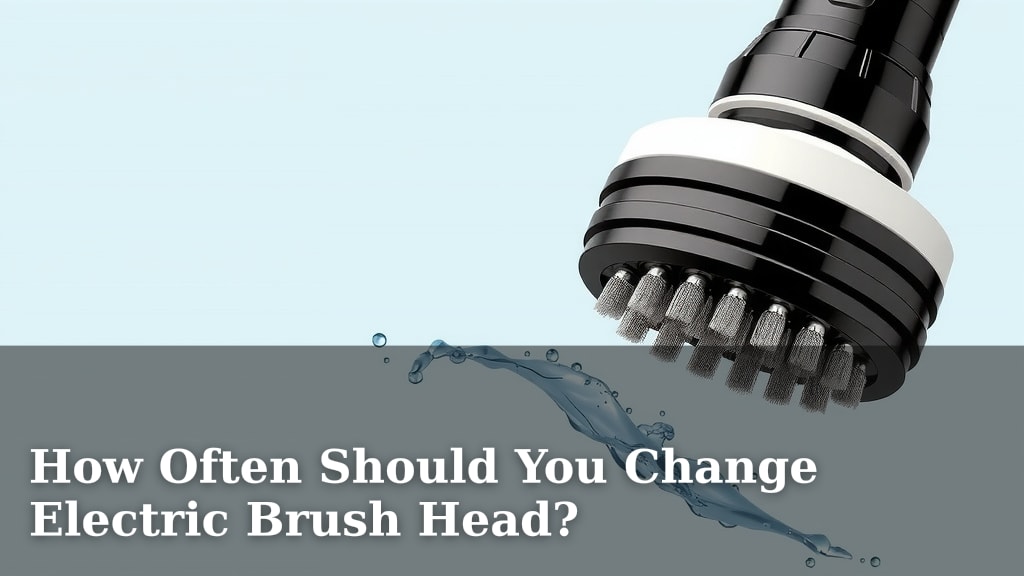
How Often Should You Change Electric Brush Head?
You should change your electric toothbrush head about every three months. This ensures it stays effective at cleaning your teeth and gums. Waiting too long can mean you’re not getting the best clean. It might even introduce more bacteria to your mouth.
Think of your toothbrush head like a gym membership. You use it often, and eventually, it wears out. Worn bristles don’t clean as well and can harm your gums. We found that many experts agree on this general timeline. Keeping your electric toothbrush head fresh is key for good oral hygiene.
Here’s the quick rundown:
- Change every 3 months for optimal cleaning.
- Look for frayed or worn bristles as a sign to switch sooner.
- Replace if you’ve been sick to avoid reintroducing germs.
- Using worn heads can damage gums.
- New heads provide a better, more hygienic clean.
Let’s dive into why this timeline is important and what signs tell you it’s time for a fresh start.
When to Swap Out Your Electric Toothbrush Head
Most dental professionals agree that you should replace your electric toothbrush head every three months. This timeline ensures your brush head stays effective. It also helps maintain optimal oral hygiene. Think of it like changing the filter on your air purifier. Over time, it just doesn’t work as well.
If you’re wondering why this timeframe is so important, it boils down to two main things: **effectiveness** and **hygiene**. A worn-out brush head simply can’t clean your teeth and gums as thoroughly as a new one. Plus, old bristles can harbor more bacteria than you might want in your mouth.
Why Three Months is the Magic Number
So, what happens during those three months? Your electric toothbrush head works hard! It scrubs away plaque and food particles. This daily effort causes the bristles to bend, fray, and lose their shape. They start to spread out and can’t reach into all the nooks and crannies effectively anymore.
We found that dentists often recommend this three-month mark as a general guideline. It’s a good balance between usage and bristle condition. Of course, this is an average. Some factors might mean you need to swap your head even sooner.
Signs Your Brush Head Needs Replacing Sooner
Beyond the calendar, your eyes can tell you a lot. Keep an eye on the bristles. Do they look splayed out, bent, or worn down? This is a clear sign they’re past their prime. Frayed bristles can’t clean your teeth properly. They might even be too abrasive for your gums.
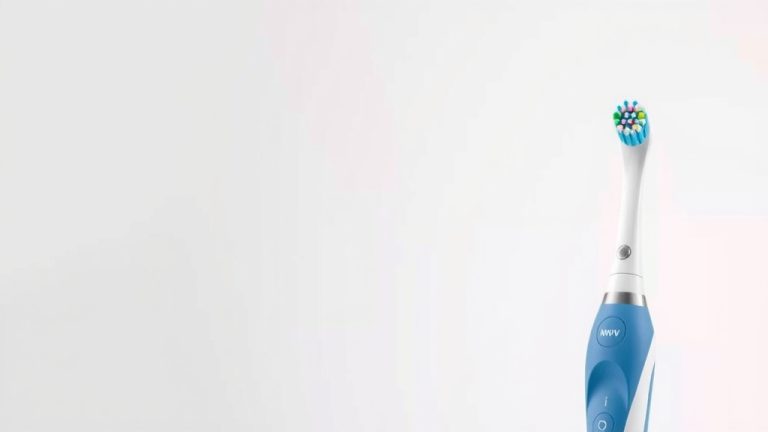
Many manufacturers actually build indicator bristles into their designs. These bristles change color when it’s time to replace the head. We found that checking these indicators can be a really helpful reminder. It takes the guesswork out of the equation.
What Frayed Bristles Mean for Your Clean
When bristles fray, they lose their ability to effectively remove plaque. This can lead to decreased cleaning performance. It means you might be brushing, but you’re not getting that deep clean you need. This can contribute to plaque buildup and potential gum issues over time (CDC).
The Indicator Bristle Clue
These clever little bristles are designed to fade over time. When they do, it’s your visual cue. It’s a simple yet effective way to know your brush head is losing its touch. We think it’s a feature worth looking for when you buy replacement heads.
When You’ve Been Sick
This is a crucial point that many people overlook. If you’ve had a cold, flu, or any other contagious illness, it’s wise to replace your toothbrush head immediately after you recover. Why? Because those germs can linger on the bristles.
Think about it: you’ve just fought off an infection. The last thing you want to do is reintroduce those germs to your mouth. We found that this simple step can help prevent you from getting sick again. It’s a small effort for added peace of mind and better health.
The Impact of an Old Toothbrush Head
Using an old, worn-out electric toothbrush head isn’t just less effective; it can actually cause harm. Worn bristles can become rough. They can irritate your delicate gum tissue. This can lead to redness, bleeding, or receding gums over time (Mayo Clinic).
A clean, new brush head has soft, flexible bristles. These are designed to gently clean your teeth and massage your gums. They provide a comfortable and effective brushing experience. Your mouth deserves that gentle care!
Gum Health and Bristle Condition
Damaged or frayed bristles are no longer gentle. They can act like tiny scrub brushes that are too stiff. This constant friction can wear down your gum line. It’s like using a harsh cleaner on a delicate surface – it causes damage.
The Hygiene Factor
Your mouth is a complex ecosystem. Bacteria are always present. While your toothbrush head will naturally accumulate some bacteria, a worn-out head can become a breeding ground. A fresh head starts with a clean slate, helping to keep your oral microbiome balanced.
Making a Replacement Checklist
To make sure you stay on track, here’s a simple checklist to help you remember when it’s time for a new head:
- Mark your calendar for three months after your last replacement.
- Visually inspect your brush head for frayed or splayed bristles weekly.
- Change your brush head immediately after recovering from an illness.
- Look for the color-changing indicator bristles on newer models.
- Consider replacing it if it feels less effective or is making noise.
- Keep a spare replacement head handy so you’re always ready.
| Condition | Cleaning Effectiveness | Gum Impact | Hygiene Level |
|---|---|---|---|
| New (0-3 Months) | High | Gentle | Optimal |
| Worn (3+ Months) | Reduced | Potential Irritation | Lower |
| Severely Frayed | Poor | High Risk of Damage | Compromised |
Remember, your electric toothbrush is an investment in your oral health. Taking just a few moments to replace the head regularly ensures you’re getting the most benefit from it. It’s a small habit that makes a big difference in keeping your smile healthy and bright.
Conclusion
You’ve learned why sticking to a three-month replacement schedule for your electric toothbrush head is so important for your oral health. Beyond the calendar, paying attention to signs like frayed bristles or using a fresh head after being sick are key steps. These habits ensure your toothbrush works effectively and hygienically. Prioritizing a clean brush head is a simple yet powerful way to maintain a healthy smile. Make it a point to check your brush head weekly and schedule your next replacement today!
Frequently Asked Questions
Can I use my electric toothbrush head for longer than three months if it still looks okay?
While a brush head might look fine, its cleaning power diminishes over time. We found that even if the bristles aren’t visibly frayed, they lose their ability to effectively remove plaque after about three months of regular use. Sticking to the schedule ensures optimal cleaning.
Does the brand of electric toothbrush head matter for how often I should change it?
Generally, the three-month guideline applies across most brands and types of electric toothbrush heads. Manufacturers design them to maintain peak performance for this period. Always check your specific toothbrush manual for any unique recommendations.
Are indicator bristles on toothbrush heads really reliable?
Yes, indicator bristles are a very helpful tool. We found they are designed to fade over time, giving you a visual cue that it’s time for a change. They take the guesswork out of knowing when your brush head is past its prime for effective cleaning.
Is it really necessary to change my brush head after being sick?
It’s highly recommended! When you’re sick, bacteria can remain on your toothbrush bristles. Changing the head after you’ve recovered helps prevent reintroducing those germs to your mouth. This is a simple step for better health and peace of mind.
How can I tell if my toothbrush head is causing gum irritation?
If you notice your gums are red, bleeding, or feel sore after brushing, your brush head might be the culprit. Worn or frayed bristles can become too abrasive. Switching to a new head with soft, flexible bristles should help alleviate irritation.