Electric Toothbrush for Under 3s: Safety First
No, you generally **should not use an electric toothbrush on a child under 3 years old**. While they might seem like a high-tech solution, the bristles can be too **harsh for a baby’s delicate gums and developing teeth**. A soft-bristled manual toothbrush is usually recommended for this age group.
Many parents wonder about the best way to start brushing their little one’s teeth. Electric toothbrushes for adults are designed for stronger enamel and tougher gums. For very young children, the **vibration and power** can cause discomfort or even minor damage. It’s best to stick with gentle, manual methods initially.
- Electric toothbrushes are too harsh for babies under 3.
- Their gums and teeth are still very delicate.
- A soft manual toothbrush is the safer choice.
- Consult your dentist for age-appropriate brushing advice.
Let’s dive into why this is the case and what alternatives are best for your little one’s pearly whites.
Why Electric Toothbrushes Aren’t Ideal for Toddlers Under 3
You might be wondering if that sleek electric toothbrush you use is suitable for your little one. It’s a common question as parents look for the best ways to care for their baby’s teeth. However, research and expert recommendations suggest that electric toothbrushes are generally **not suitable for children under the age of 3**. This might come as a surprise, but there are several important reasons why.
The Delicate Nature of Tiny Gums and Teeth
A baby’s mouth is a world of soft, developing tissues. Their gums are tender and easily irritated. Their first teeth, known as primary or deciduous teeth, are also smaller and have thinner enamel than adult teeth. This makes them much more **vulnerable to damage**. You want to be extra gentle when cleaning them.
The bristles on most adult electric toothbrushes, and even many child-specific ones, can be too abrasive. Imagine using a power sander on delicate silk – it just doesn’t match up. The strong vibrations and rapid movements, while effective for adults, can be overwhelming and potentially harmful for a baby’s developing oral structures.
Understanding Electric Toothbrush Mechanics for Little Ones
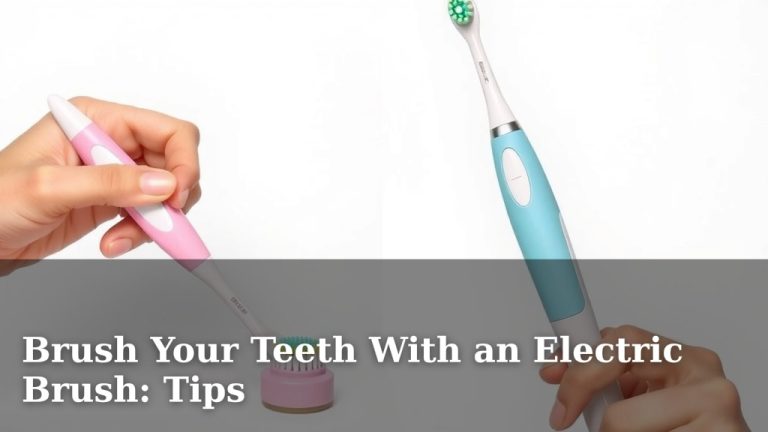
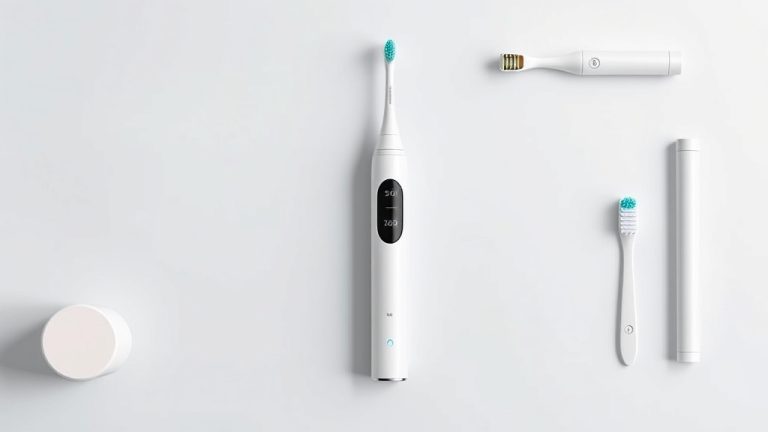
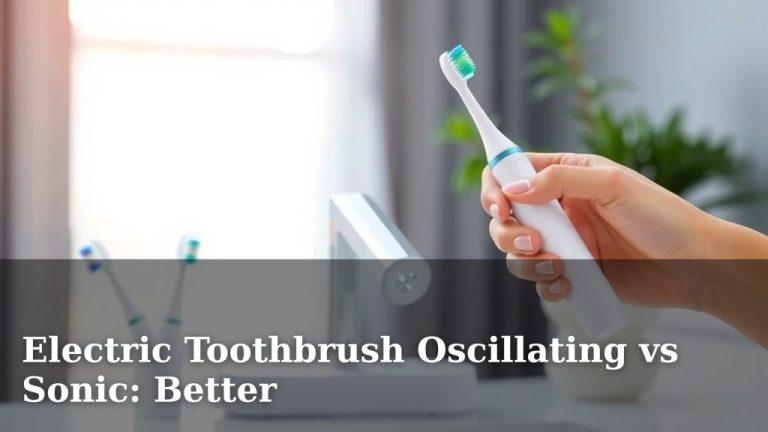
Electric toothbrushes work by using oscillating, rotating, or vibrating brush heads. These motions are designed to remove plaque and food debris efficiently for adults. For a toddler, this high-intensity action can be too much. It can lead to several issues:
- Gum Irritation: The scrubbing action can cause redness, bleeding, and soreness.
- Enamel Wear: While less common, overly aggressive use could potentially wear down the thin enamel of primary teeth over time.
- Discomfort: The buzzing and vibrations can be startling and unpleasant for a young child, making brushing a negative experience.
Many parents try to use electric toothbrushes hoping to get a more thorough clean. However, the potential downsides for babies and toddlers often outweigh these perceived benefits. It’s about finding the right tool for the right job, and for this age group, manual is usually better.
When Can My Child Start Using an Electric Toothbrush?
This is a question many parents ask as their child grows. The general consensus among pediatric dentists is to wait until children are older and have better motor control. Most experts suggest waiting until around **age 3 or even a bit older**. By this age, children typically have a fuller set of primary teeth and can better manage the sensation and use of an electric toothbrush with supervision.
Age 3: A Potential Starting Point (With Caveats)
Around age 3, your child’s mouth has changed significantly from infancy. They have more teeth, and their gums are a bit more robust. This is often when many dentists start recommending a transition to an electric toothbrush, but with **strict parental supervision**. You’ll need to guide their hand and ensure they aren’t pressing too hard or brushing too aggressively.
It’s also important to choose an electric toothbrush specifically designed for children. These often have: It’s also important to choose an electric toothbrush specifically designed for children.
- Smaller brush heads: To fit comfortably in a child’s mouth.
- Softer bristles: Gentler on developing gums and teeth.
- Lower vibration settings: Less intense and potentially more comfortable.
- Fun designs: To make brushing more engaging for kids.
Developing Good Habits with Manual Brushing First
Before introducing an electric toothbrush, even at age 3, it’s essential to establish a strong foundation with manual brushing. The American Academy of Pediatric Dentistry (AAPD) recommends starting with a soft-bristled manual toothbrush as soon as the first tooth appears.
This allows your child to get accustomed to the feeling of brushing and for you to develop a gentle, effective technique. You can model good brushing habits and make it a positive part of the daily routine. This early practice builds the necessary skills and comfort level. It’s like learning to walk before you run. You want to master the basics first.
The Safest Brushing Method for Under 3s
So, if not an electric toothbrush, what should you be using for your little one under 3? The answer is simple and has been a trusted method for generations: a **soft-bristled manual toothbrush and fluoride toothpaste**. This combination is effective and safe when used correctly.
Choosing the Right Manual Toothbrush
When selecting a manual toothbrush for your baby or toddler, look for these features:
- Soft bristles: This is the most crucial factor. They should feel very gentle.
- Small head: It needs to fit easily into their small mouth and reach all areas.
- Comfortable handle: A thicker, easy-to-grip handle helps you control the brush.
You can find toothbrushes specifically labeled for infants and toddlers. These are designed with all these factors in mind. Brands often have different stages, so look for one suitable for ages 0-3 or similar. Remember, even with a manual brush, your technique is key.
Using Fluoride Toothpaste Safely
For children under 3, the AAPD recommends using a tiny smear of fluoride toothpaste. This is about the size of a grain of rice. Fluoride is important for strengthening tooth enamel and preventing cavities. However, young children can easily swallow toothpaste, so the amount needs to be minimal.
As your child gets closer to age 3, you might increase to a pea-sized amount. Always supervise brushing to ensure they spit out as much toothpaste as possible. If you have concerns about fluoride, discuss them with your pediatric dentist. They can provide guidance tailored to your child’s needs.
| Feature | Soft Manual Toothbrush | Electric Toothbrush (General Adult/Older Child) |
|---|---|---|
| Bristle Softness | Very soft, designed for delicate gums. | Can be too firm, potentially irritating. |
| Vibration/Motion | None. You control the movement. | Can be too intense and startling. |
| Control | Full control over pressure and technique. | Requires significant dexterity and supervision. |
| Ease of Use for Baby | Requires parental assistance, gentle. | Often overwhelming and uncomfortable for very young children. |
| Recommendations for Under 3s | Highly recommended. | Generally not recommended. |
Your Role in Toddler Brushing
Even with the right toothbrush and toothpaste, you are the primary brusher for your child until they are about 7 or 8 years old. This means you need to do the actual brushing for them, or at least guide their hand thoroughly. Focus on cleaning all surfaces of each tooth gently. Pay attention to the gumline where plaque can hide.
Make it a positive experience! Sing songs, make funny faces, or let them “help” by holding the brush. The goal is to get their teeth clean while also building a positive association with oral hygiene. This sets them up for a lifetime of healthy smiles. You’re laying the groundwork for their future dental health!
When to Consult a Dental Professional
Your pediatric dentist is your greatest ally in your child’s oral health journey. They can provide personalized advice based on your child’s specific development and needs. Don’t hesitate to ask them questions about brushing techniques, toothpaste, and when to consider transitioning to an electric toothbrush.
Regular Dental Check-ups are Key
Visiting the dentist regularly, typically starting by age 1 or when the first tooth appears, is essential. Dentists can spot early signs of tooth decay or gum issues. They can also demonstrate proper brushing techniques for you and your child. They can offer specific product recommendations, too.
Remember, every child is different. What works for one might not work for another. Trust your instincts, but also rely on the expertise of dental professionals. They can help you navigate the best path for your little one’s pearly whites.
Key Takeaways for Baby and Toddler Brushing
To wrap up, here’s a quick checklist of what you should remember:
- Use a soft-bristled manual toothbrush for children under 3.
- Use a tiny smear of fluoride toothpaste (rice-grain size).
- Supervise and brush for your child until they are older.
- Choose age-appropriate tools designed for little mouths.
- Make brushing a positive routine with songs and praise.
- Consult your pediatric dentist for tailored advice.
Conclusion
You’ve learned that electric toothbrushes aren’t the best choice for children under 3. Their delicate gums and developing teeth need a gentler approach. A soft-bristled manual toothbrush paired with a tiny smear of fluoride toothpaste is your safest bet. This ensures effective cleaning without causing discomfort or potential harm. Focus on establishing a positive brushing routine now. You’re building a foundation for lifelong healthy smiles. Ready to make brushing a breeze? Schedule your child’s next dental check-up soon for personalized advice!
Frequently Asked Questions
At what age can my child switch to an electric toothbrush?
Most pediatric dentists recommend waiting until around age 3 or older for a child to start using an electric toothbrush. By this age, they typically have more teeth and better motor skills. Remember that close parental supervision is still essential.
Can an electric toothbrush hurt my baby’s gums?
Yes, the vibrations and scrubbing motion of electric toothbrushes can be too harsh for a baby’s tender gums. This can lead to irritation, redness, or even minor bleeding. A soft manual brush offers much gentler control.
What if my toddler really wants to use an electric toothbrush?
If your toddler is set on using an electric toothbrush, consider purchasing one specifically designed for children around age 3. These often have smaller heads, softer bristles, and gentler vibrations. Always supervise their use closely to ensure they aren’t brushing too hard.
How much fluoride toothpaste should I use for a child under 3?
For children under 3, use only a tiny smear of fluoride toothpaste, about the size of a grain of rice. This is because young children tend to swallow more toothpaste. Discuss the right amount with your pediatric dentist.
Is it okay if my child swallows some toothpaste while brushing?
It’s common for young children to swallow some toothpaste, which is why using only a rice-grain-sized smear is recommended for those under 3. As they get older and can spit better, you can gradually increase the amount to a pea-size. Always supervise brushing to minimize swallowing.