Electric vs Manual Toothbrush: What NHS Says
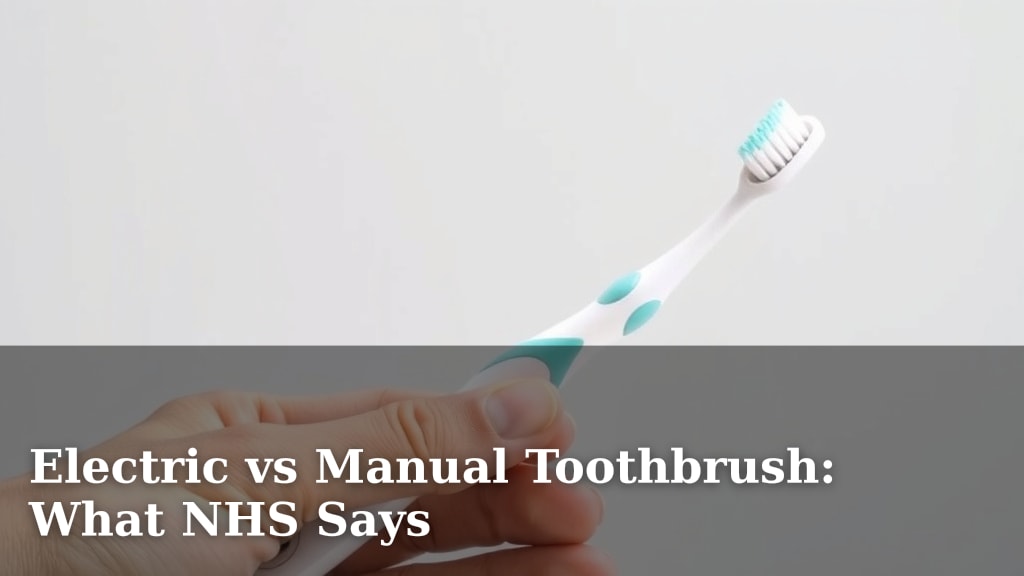
When choosing between an electric and manual toothbrush, the NHS finds both can be effective for cleaning your teeth and gums. The key is not the type of brush, but how well you use it. Many dental professionals agree that proper technique matters most.
While both methods can work, electric toothbrushes often make it easier to achieve a thorough clean. They can help remove more plaque and are sometimes recommended for people with dexterity issues. The NHS guidance focuses on the outcome: cleaner teeth and healthier gums.
- NHS research shows both electric and manual toothbrushes can clean effectively.
- The technique you use is more important than the brush type.
- Electric brushes may help remove more plaque for some people.
- Ultimately, it’s about achieving healthy gums and clean teeth.
Let’s dive into what the NHS and dental experts have to say about making the best choice for your smile.
Electric vs. Manual Toothbrush: What the Experts Advise
When you’re standing in the toothbrush aisle, it’s easy to feel overwhelmed. Both electric and manual toothbrushes promise a sparkling smile. But which one is truly better for your oral health? We looked into what leading health organizations and dental professionals say.
The good news is that the National Health Service (NHS) in the UK and many dentists agree: both types can get the job done. The real secret isn’t the brush itself, but how you use it. Your technique is king.
The NHS Stance on Brushing Effectiveness
The NHS focuses on the outcome of brushing. They emphasize that a manual toothbrush, when used correctly, can be just as effective as an electric one. This means you can achieve excellent oral hygiene without necessarily needing the fanciest gadget.
However, they also acknowledge that electric toothbrushes often make it easier for people to brush properly. This can be a big help for those who struggle with dexterity or find traditional brushing techniques a bit tricky.
How Electric Toothbrushes Can Help
Electric toothbrushes are designed with features that can improve your brushing experience. Many come with built-in timers to ensure you brush for the recommended two minutes. Some even have pressure sensors to prevent you from brushing too hard, which can damage your gums.
Plaque Removal: A Key Benefit
Research has shown that electric toothbrushes, particularly oscillating-rotating models, tend to remove more plaque than manual brushes. Plaque is that sticky film of bacteria that can lead to cavities and gum disease. Getting rid of it is vital.
A study published in the Cochrane Database of Systematic Reviews found that power toothbrushes were more effective at reducing plaque and gingivitis compared to manual toothbrushes in the short and long term (Cochrane Reviews).
Who Benefits Most from Electric Brushes?
For many people, an electric toothbrush is a great tool. They can be especially helpful for:
- Individuals with limited motor skills, like those with arthritis or carpal tunnel syndrome.
- People who tend to brush too hard, as pressure sensors can prevent damage.
- Anyone who wants a little help ensuring they brush for the full two minutes.
- Children, as the fun factor and ease of use can encourage better brushing habits.
Mastering the Manual Toothbrush
Don’t feel left out if you prefer or can only use a manual toothbrush! You can achieve a fantastic clean with the right approach. The NHS provides clear guidance on how to make the most of your manual brush.
The Right Technique Matters Most
The key with a manual brush is gentle, methodical cleaning. Here’s what experts recommend:
- Hold your brush at a 45-degree angle to your gums.
- Use short, gentle strokes, moving back and forth.
- Brush all surfaces: outer, inner, and chewing surfaces.
- Don’t forget to brush your tongue to remove bacteria and freshen breath.
Many dental professionals stress that applying too much pressure with a manual brush can be harmful. This can lead to gum recession and tooth sensitivity. The goal is to sweep away plaque, not scrub your teeth raw.
Comparing the Two: A Quick Look
Let’s break down the key differences you might consider:
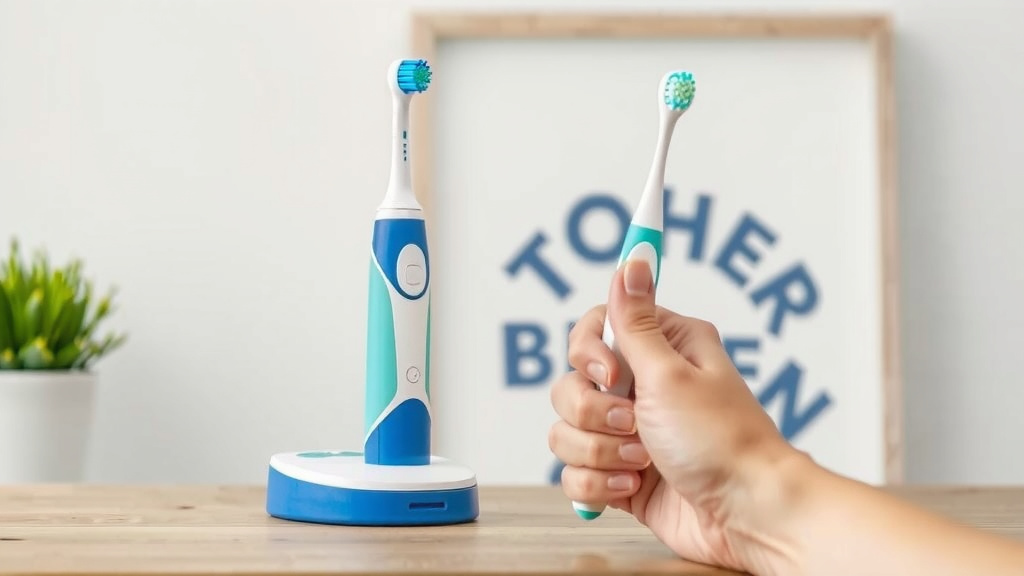
| Feature | Manual Toothbrush | Electric Toothbrush |
|---|---|---|
| Cost | Low initial cost, ongoing replacement cost is minimal. | Higher initial cost, replacement brush heads can be more expensive. |
| Effectiveness | Can be highly effective with proper technique. | Often more effective at plaque removal, easier to use correctly. |
| Features | Simple, no power needed. | Timers, pressure sensors, different modes (on some models). |
| Ease of Use | Requires good manual dexterity and technique. | Often easier for those with limited mobility; less technique-dependent. |
| Travel | Compact and easy to pack. | Requires charging or batteries; bulkier. |
What Your Dentist Will Likely Tell You
Most dentists will tell you that the best toothbrush is the one you’ll use consistently and correctly. They might recommend an electric brush if they see you struggling with plaque buildup or gum issues that could be improved with the automated action of an electric device.
Your dentist or hygienist is your best resource. They can assess your current brushing habits and gum health. They can then provide personalized advice on whether an electric or manual brush would be a better fit for your specific needs.
Making the Switch or Sticking with What Works
So, should you switch to electric? Not necessarily. If you’re happy with your manual brushing routine and your dentist confirms your oral health is excellent, stick with it!
However, if you find manual brushing difficult, or if you want to try something that might make plaque removal easier, an electric toothbrush is definitely worth considering. Many people find them to be a game-changer for their oral hygiene.
Your Oral Health Checklist
Regardless of which brush you choose, remember these essentials for a healthy smile:
- Brush for two minutes, twice a day.
- Use fluoride toothpaste.
- Clean between your teeth daily with floss or interdental brushes.
- Visit your dentist regularly.
- Don’t forget to replace your toothbrush or brush head every 3-4 months.
Conclusion
Ultimately, the NHS stance is clear: both electric and manual toothbrushes can keep your smile healthy. Your brushing technique is the most important factor. If you’re already using a manual brush correctly and your dentist is happy, there’s no immediate need to switch.
However, if you struggle with plaque removal, have dexterity issues, or want an easier way to ensure a thorough clean, an electric toothbrush could be a fantastic investment. Schedule a chat with your dentist at your next check-up. They can offer personalized advice based on your unique oral health needs.
Frequently Asked Questions
Does the NHS recommend electric toothbrushes over manual ones?
The NHS finds that both electric and manual toothbrushes can effectively clean your teeth. They emphasize that proper brushing technique is more important than the type of brush. Electric brushes are acknowledged as potentially easier for some people to use correctly.
How often should I replace my toothbrush or electric brush head?
For both manual toothbrushes and electric brush heads, it’s recommended to replace them every 3 to 4 months. You should also replace them sooner if the bristles become frayed or if you’ve been ill.
Are electric toothbrushes really better at removing plaque?
Research and studies have often found that electric toothbrushes, especially oscillating-rotating models, can remove more plaque than manual toothbrushes. This can contribute to better gum health and fewer cavities.
Can I use an electric toothbrush if I have sensitive gums?
Yes, many electric toothbrushes come with pressure sensors that alert you if you’re brushing too hard. This feature can be very beneficial for people with sensitive gums, helping to prevent irritation and damage.
What if I can’t afford an electric toothbrush?
Don’t worry! A manual toothbrush can be just as effective when used with the correct technique. Focus on holding the brush at a 45-degree angle to your gums and using gentle, short strokes to clean all surfaces of your teeth.