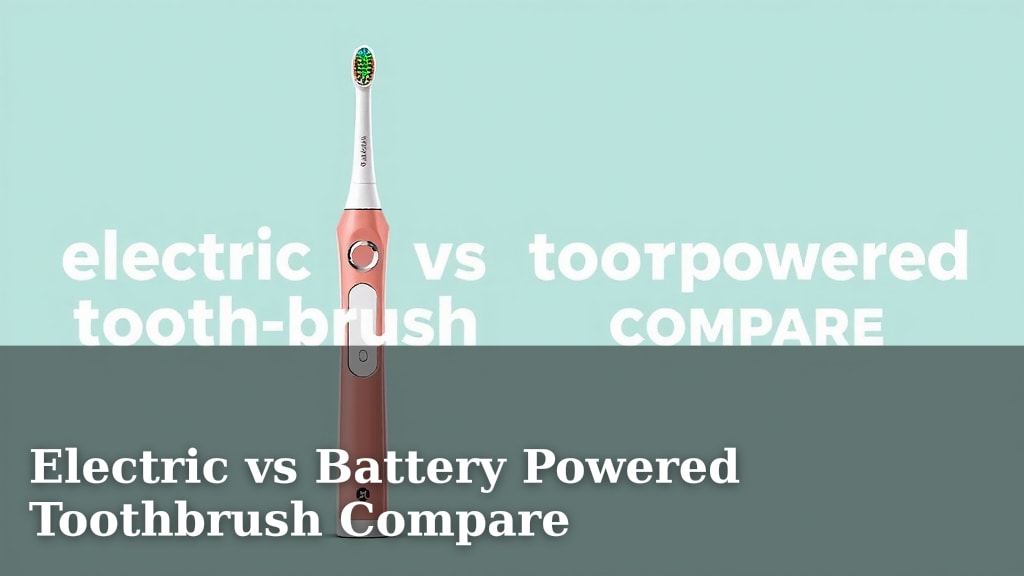
Electric vs Battery Powered Toothbrush Compare
When choosing between an electric toothbrush and a battery-powered toothbrush, both can offer a better clean than manual brushing. Electric toothbrushes generally provide a more powerful and consistent clean. Battery-powered toothbrushes are a good entry point for enhanced cleaning.
Many dentists recommend electric toothbrushes for their superior plaque removal capabilities. They can help you maintain better gum health and prevent cavities. Your choice depends on your budget, brushing style, and desired features for your oral hygiene routine.
- Electric toothbrushes offer more advanced cleaning.
- Battery-powered options are more affordable and accessible.
- Both are generally better than manual brushing.
- Consider your budget and oral health goals.
Let’s break down the key differences and benefits of electric versus battery-powered toothbrushes so you can make the best choice for your smile.
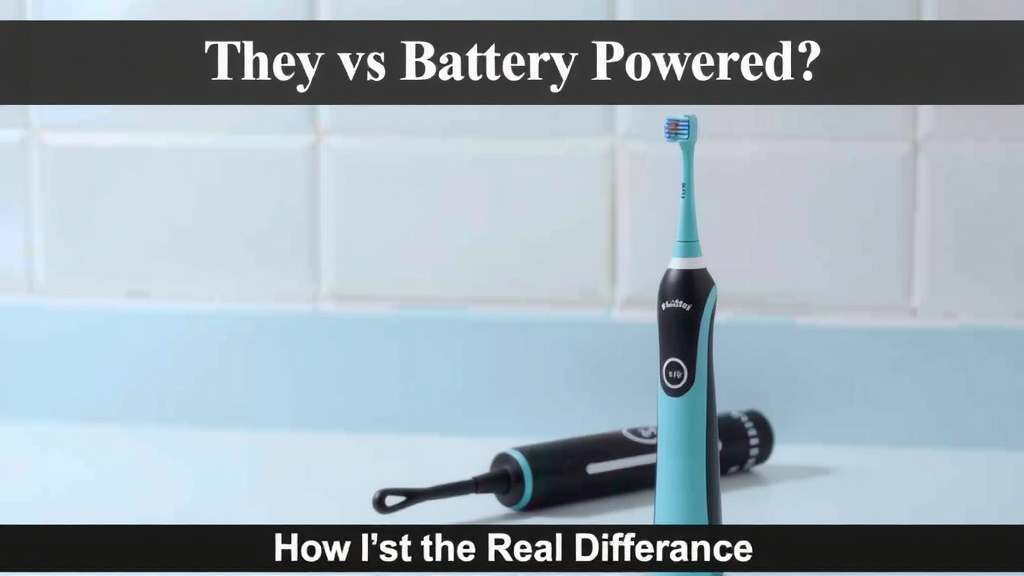
Electric vs. Battery-Powered Toothbrushes: What’s the Real Difference?
When you’re standing in the oral care aisle, you might be wondering what sets an electric toothbrush apart from a battery-powered one. They both seem to vibrate or spin, right? Well, there are some key distinctions that can impact how clean your teeth get.
Think of it like comparing a high-end blender to a basic hand mixer. Both can mix ingredients, but one is designed for more power and consistency. Many dental professionals lean towards electric models for their superior plaque removal capabilities. We’re going to break down what makes them different so you can pick the right tool for your smile.
Understanding the Power Source and Mechanics
The fundamental difference lies in their internal power and how they create movement. This affects everything from their cleaning power to their price tag.
Electric Toothbrushes: The Rechargeable Workhorses
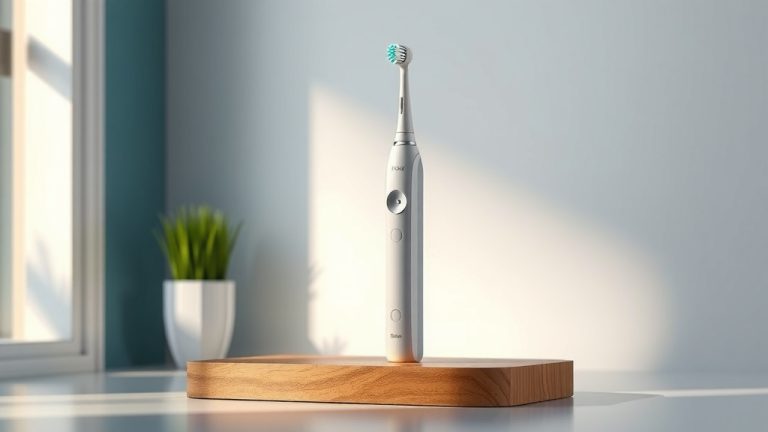
Electric toothbrushes are typically rechargeable. They come with a base that plugs into the wall to charge the toothbrush handle. This means you don’t have to worry about buying replacement batteries regularly. The motor inside is usually more robust, providing a consistent and powerful cleaning action.
These brushes use various motions, like oscillating-rotating or sonic vibrations. Oscillating-rotating brushes often have a smaller, round brush head that spins and pulses. Sonic toothbrushes use high-speed vibrations to create a sweeping motion. Research indicates these movements can be more effective at removing plaque than manual brushing alone (CDC).
Battery-Powered Toothbrushes: The Accessible Option
Battery-powered toothbrushes, sometimes called “electric toothbrushes” by consumers, run on standard AA or AAA batteries. You’ll need to replace these periodically when the power starts to fade. They often have a simpler motor design compared to their rechargeable counterparts.
The brush heads on these models usually move in a less complex pattern, often a simple back-and-forth or a circular motion. While they offer more action than manual brushing, the power and consistency might not match that of a good rechargeable electric toothbrush. They are a great stepping stone if you’re new to powered brushing.
Performance and Cleaning Effectiveness Compared
When it comes to getting your teeth clean, how do these two types stack up against each other? It boils down to power, consistency, and specialized features.
Plaque Removal and Gum Health
Studies have consistently shown that electric toothbrushes generally remove more plaque than manual ones. The consistent oscillations or vibrations can reach areas that might be missed with manual brushing. This can lead to healthier gums and a reduced risk of gingivitis. For individuals with dexterity issues, like arthritis, the powered action can make a significant difference in their ability to clean effectively (Mayo Clinic).
Battery-powered brushes can also improve plaque removal over manual brushing. However, the difference might be less pronounced than with high-quality electric models. The effectiveness often depends on the specific model’s motor strength and brush head design. For those seeking the most thorough clean, an electric toothbrush is often the recommended choice.
Brushing Technique and Ease of Use
Using an electric toothbrush often requires less technique than manual brushing. You essentially guide the brush head along your teeth, letting the brush do the work. Many electric models have built-in timers to ensure you brush for the recommended two minutes. Some even have pressure sensors to alert you if you’re brushing too hard, which is important for protecting your enamel and gums.
Battery-powered brushes also simplify the brushing process. You still need to guide them, but they add that extra powered motion. However, they typically lack the advanced features like pressure sensors or detailed timers found on many electric models. You might find yourself more inclined to add extra pressure or brush for too short a time without these aids.
Cost and Long-Term Investment
Your budget is a big factor when choosing your next toothbrush. Let’s look at the upfront costs and what you can expect over time.
Initial Purchase Price
The most significant difference in cost is usually at the point of purchase. Battery-powered toothbrushes are generally much more affordable, often costing between $10 and $30. This makes them a very accessible entry point into powered brushing.
Electric toothbrushes can range widely in price, from around $20 for basic models to over $100 or even $200 for high-end versions with multiple modes and smart features. This higher upfront cost can be a barrier for some.
Ongoing Expenses
When considering ongoing costs, think about replacement brush heads and batteries. For battery-powered brushes, you’ll need to factor in the cost of replacing the batteries every few months. The replacement brush heads for both types also need to be purchased regularly, typically every three to four months. These can cost anywhere from $5 to $15 for a pack of two or four, depending on the brand.
While electric toothbrushes have a higher initial cost, you won’t need to buy batteries. The cost of replacement brush heads is comparable. Over several years, the total cost might even out, especially if you choose a durable electric model. Some research suggests that investing in an electric toothbrush can lead to fewer dental issues down the line, potentially saving you money on treatments.
Making Your Choice: A Quick Checklist
To help you decide, ask yourself these questions. Your answers will guide you toward the best option for your needs.
- Do you want the most powerful plaque removal possible?
- Is your budget tight for the initial purchase?
- Are you looking for advanced features like timers and pressure sensors?
- Do you prefer the convenience of not buying batteries?
- Are you concerned about gum health and gentle cleaning?
- Is ease of use a top priority for you?
What About Travel?
If you travel frequently, portability is a key consideration. Many battery-powered toothbrushes are lightweight and don’t require a charging base, making them very convenient for packing. You just need to remember to pack spare batteries.
Most rechargeable electric toothbrushes come with travel cases, and their batteries are designed to last for weeks on a single charge, which is often enough for shorter trips. However, you will need to ensure you have access to a power outlet for longer journeys or remember your charging base.
Summary Table: Key Differences at a Glance
Here’s a quick rundown to help you visualize the distinctions:
| Feature | Electric Toothbrush | Battery-Powered Toothbrush |
|---|---|---|
| Power Source | Rechargeable battery | Replaceable AA/AAA batteries |
| Cleaning Power | Generally higher and more consistent | Variable, often less powerful |
| Plaque Removal | Often superior | Better than manual, variable |
| Advanced Features | Timers, pressure sensors, multiple modes (common) | Rare or basic |
| Initial Cost | Higher ($20 – $200+) | Lower ($10 – $30) |
| Ongoing Cost | Brush heads (no batteries) | Brush heads + batteries |
| Best For | Thorough cleaning, gum health focus | Budget-conscious, beginners, travel |
Conclusion
Choosing between an electric and a battery-powered toothbrush comes down to your personal needs and budget. Electric toothbrushes generally offer a superior clean with advanced features, often leading to better plaque removal and gum health. Battery-powered options provide an accessible, more affordable way to upgrade from manual brushing, making them a great starting point. Consider what matters most to you – maximum cleaning power, built-in guidance, or cost-effectiveness. Your smile will thank you for making an informed decision.
To make the best choice for your oral hygiene, think about these key differences and visit your dentist if you have specific concerns about your gum health or brushing technique.
Frequently Asked Questions
Are battery-powered toothbrushes really that different from cheap electric ones?
Yes, there’s often a noticeable difference in motor power and cleaning action. Cheaper electric toothbrushes might have less robust motors, but they still typically offer more consistent and powerful movements than battery-powered models. Research suggests these stronger movements can lead to better plaque removal over time.
Can a battery-powered toothbrush still be good for my gum health?
Absolutely. Even a battery-powered toothbrush offers more cleaning action than manual brushing, which can help reduce plaque buildup and improve gum health. However, always remember to use gentle pressure, as excessive force can still irritate your gums, regardless of the brush type.
How often should I replace the brush heads on either type of toothbrush?
Dentists generally recommend replacing your toothbrush head every three to four months, or sooner if the bristles become frayed. This applies to both electric and battery-powered models. Worn bristles are less effective at cleaning and can harbor bacteria.
Which type of toothbrush is better if I have sensitive teeth or gums?
For sensitive teeth and gums, an electric toothbrush with a pressure sensor can be very beneficial. It alerts you if you’re brushing too hard, which is a common cause of sensitivity and gum recession. Many electric models also have specific “sensitive” modes.
Will switching to any powered toothbrush help me brush for the full two minutes?
Many electric toothbrushes come with built-in two-minute timers, often with quadrant alerts, which strongly encourages brushing for the recommended duration. Battery-powered brushes usually lack this feature, so you’ll need to be more mindful of your own timing to ensure you brush long enough.