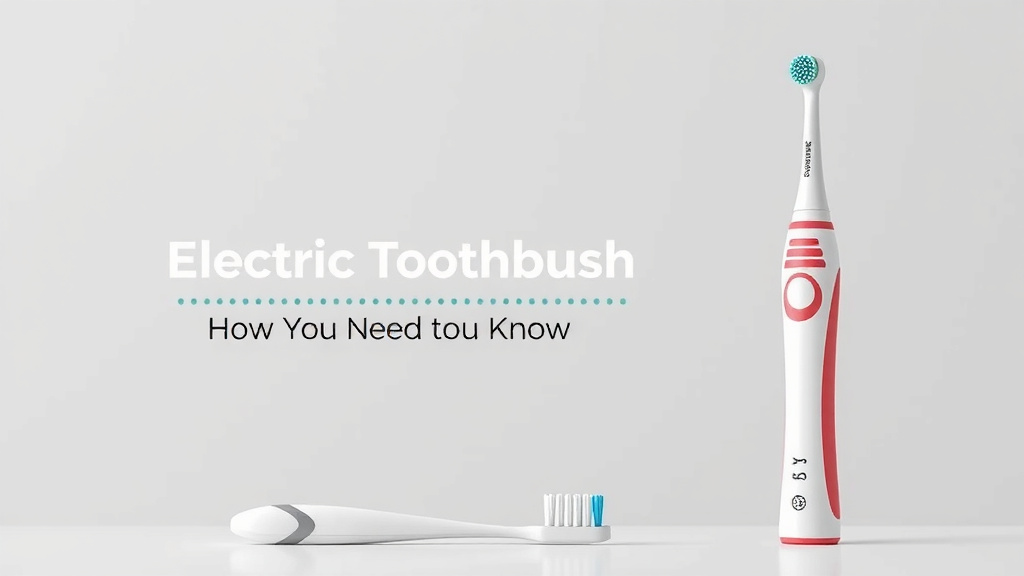
Electric Toothbrush Toothpaste: What You Need to Know
You can use most regular toothpastes with your electric toothbrush. The key is to avoid toothpastes that are too abrasive. This is because they can potentially damage the bristles and the toothbrush head over time. Look for toothpastes labeled as gentle or specifically designed for sensitive teeth.
Many electric toothbrush users wonder if they need a special toothpaste. While some brands offer specific “electric toothbrush” formulas, they aren’t always necessary. Research shows that a standard fluoride toothpaste will work just fine for most people. Just be mindful of the ingredients if your teeth or gums are sensitive.
- Most regular toothpastes are fine.
- Avoid overly abrasive formulas.
- Gentle or sensitive toothpastes are a good choice.
- Fluoride toothpaste is generally effective.
- Special electric toothbrush pastes aren’t usually needed.
Let’s get into the details of what makes a toothpaste a good match for your electric toothbrush, and what to watch out for.
Picking the Right Toothpaste for Your Electric Toothbrush
You’ve invested in an electric toothbrush, and that’s fantastic! It’s a powerful tool for keeping your smile healthy. Now, you might be wondering, “Does this mean I need a special kind of toothpaste?” The good news is, for most people, the answer is no. You can likely use the toothpaste you already have. The main thing to keep in mind is avoiding anything too harsh. Our guide to choosing an electric toothbrush can help you find the best model for your needs.
Understanding Toothpaste Abrasiveness
So, what exactly is toothpaste abrasiveness? Think of it like using a scrub brush. Some are gentle, while others can be quite rough. Toothpaste contains mild abrasives to help remove plaque and stains. However, if a toothpaste is too abrasive, it could wear down the bristles on your electric toothbrush head. It might even scratch the plastic over time.
How Abrasiveness Affects Your Toothbrush
Over time, harsh abrasives can damage the tiny bristles. They might fray or bend out of shape faster than usual. This can make your toothbrush less effective at cleaning. It’s like trying to sweep with worn-out broom bristles – they just don’t do the job right. Your electric toothbrush is designed for a certain type of cleaning, and overly abrasive paste can interfere with that.
What Does “Abrasive” Mean on a Label?
You won’t often see a direct “abrasiveness level” listed on toothpaste tubes. Instead, look for cues. Toothpastes designed for stain removal or whitening are sometimes more abrasive. They use stronger agents to lift discoloration. If your teeth are already sensitive, or if you’re concerned about your brush, it’s wise to approach these formulas with caution.
Gentle and Sensitive Toothpastes: Your Go-To Options
Many dentists recommend opting for toothpastes labeled as gentle or specifically formulated for sensitive teeth. These are generally made with less abrasive ingredients. They are designed to clean effectively without causing irritation to enamel or gums.
Benefits for Your Smile and Brush
Using a gentle toothpaste is a win-win. It cleans your teeth well and is kinder to your electric toothbrush head. Research shows that these softer formulas can help maintain the integrity of the bristles for longer. This means your toothbrush can continue to perform at its best, giving you a thorough clean without the risk of damage.
What to Look For in Sensitive Formulas
When choosing a sensitive toothpaste, check the ingredients. You’ll often find compounds like potassium nitrate or stannous fluoride. These ingredients help to block the tiny tubules in your teeth that cause sensitivity. They also tend to be formulated with gentler cleaning agents compared to potent whitening pastes.
The Role of Fluoride in Toothpaste
Regardless of the type of toothbrush you use, fluoride is your best friend for cavity prevention. Most dentists and health organizations agree that fluoride is essential. It strengthens tooth enamel, making it more resistant to acid attacks from bacteria and sugars. You’ll find fluoride in almost all standard toothpastes, and that’s a good thing!
Fluoride and Electric Toothbrushes: A Perfect Match
Using a fluoride toothpaste with your electric toothbrush is perfectly safe and highly recommended. The motion of the electric toothbrush helps to distribute the fluoride paste effectively across all surfaces of your teeth. This ensures that the enamel gets the full benefit of the fluoride. Many experts suggest that the improved cleaning action of electric brushes can actually enhance fluoride’s protective effects.
Recommended Fluoride Toothpastes
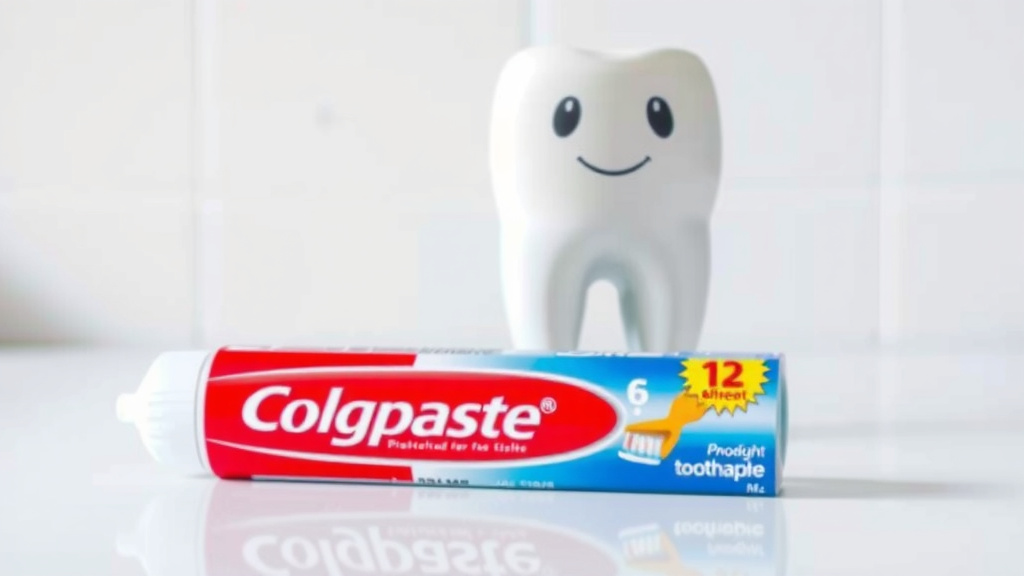
For everyday use with your electric toothbrush, a standard fluoride toothpaste is generally the best choice. Look for the American Dental Association (ADA) Seal of Acceptance. This seal means the toothpaste has been evaluated for safety and effectiveness by a panel of dental experts. You can feel confident choosing any ADA-accepted fluoride toothpaste.
Are Special “Electric Toothbrush” Pastes Necessary?
You might see toothpastes marketed specifically for electric toothbrushes. While these are formulated to work well, they aren’t usually a necessity. Many brands develop these to ensure they are non-foaming or have a specific consistency. This can make them easier to manage with the faster movements of an electric brush.
Do They Offer Extra Benefits?
Often, these specialized pastes offer benefits similar to high-quality regular toothpastes, such as cavity protection and fresh breath. They might be lower in foaming agents, which some users prefer. However, research and findings from dental professionals suggest that standard toothpastes work just as well for most people. You’re likely paying a premium for marketing rather than superior cleaning power.
When a Specialized Paste Might Be Appealing
If you find standard toothpastes create too much foam and make it difficult to see or control your brushing, a low-foam or non-foaming paste could be a good option. Some people also enjoy the specific textures or flavors offered by these specialized products. Ultimately, if you like it and it has fluoride and the ADA seal, it’s probably a good choice.
Ingredients to Watch Out For
While most toothpastes are safe, there are a few ingredients to be mindful of, especially if you have sensitive teeth or gums. Highly abrasive ingredients like silica or calcium carbonate in very high concentrations can be harsh. Also, some people react to strong flavorings or whitening agents like hydrogen peroxide.
The Scoop on Whitening Toothpastes
Whitening toothpastes often contain more abrasive particles or chemical agents to lift stains. While effective for some, they can increase tooth sensitivity and potentially wear down enamel over time. If you’re using an electric toothbrush for its efficient cleaning, you might not need an extra abrasive boost from your toothpaste. Many experts suggest that the electric brush itself does a great job of removing surface stains.
What About Natural Toothpastes?
Many natural toothpastes are excellent choices. They often use gentler cleaning agents and avoid artificial sweeteners or colors. However, some natural toothpastes may lack fluoride. If you choose a fluoride-free option, discuss cavity prevention strategies with your dentist. They might recommend fluoride rinses or professional treatments. Always ensure any toothpaste you choose is effective for plaque removal and gum health.
Making Your Final Toothpaste Choice: A Quick Guide
Deciding on the perfect toothpaste for your electric toothbrush doesn’t have to be complicated. Consider these points to help you choose wisely.
| Consideration | Recommendation for Electric Toothbrushes |
|---|---|
| Abrasiveness | Low to moderate. Avoid highly abrasive or potent stain-removing formulas. |
| Fluoride Content | Essential for cavity prevention. Look for ADA-accepted fluoride toothpastes. |
| Sensitivity | If you have sensitive teeth/gums, choose gentle or sensitive formulas. |
| Whitening Agents | Use with caution; may be too abrasive for some. Electric brushes often provide good stain removal on their own. |
| Specialty Formulas | Not usually necessary, but low-foam options can be nice for some users. |
Your Electric Toothbrush Toothpaste Checklist
Ready to pick out your next tube? Keep this simple checklist handy:
- Does it contain fluoride?
- Does it have the ADA Seal of Acceptance?
- Is it labeled “gentle” or for “sensitive teeth” (if needed)?
- Does it avoid claims of extreme whitening or stain removal?
- Do you generally like the taste and texture?
- It’s likely a good fit for your electric toothbrush!
By keeping these simple guidelines in mind, you can confidently select a toothpaste that works harmoniously with your electric toothbrush to give you a healthy, sparkling smile. Remember, consistency is key, so find a toothpaste you’ll enjoy using twice a day!
Conclusion
You’ve learned that most regular toothpastes are perfectly suitable for your electric toothbrush. The biggest factor is avoiding overly abrasive formulas that could harm your brush head. Opting for gentle or sensitive toothpastes is a smart choice for both your teeth and your brush. Always ensure your chosen toothpaste contains fluoride and carries the ADA Seal of Acceptance for optimal cavity protection. With this knowledge, you can confidently select a toothpaste that keeps your smile healthy and your electric toothbrush in great condition. Keep this simple checklist in mind for your next shopping trip!
Frequently Asked Questions
Can I use any toothpaste I want with my electric toothbrush?
Generally, yes, you can use most regular toothpastes. The main concern is avoiding formulas that are too abrasive, as they can damage the toothbrush bristles over time. Stick to standard fluoride toothpastes unless you have specific dental needs.
What makes a toothpaste “abrasive” for an electric toothbrush?
Abrasive ingredients in toothpaste help clean teeth but can wear down the soft bristles of your electric toothbrush. Toothpastes designed for heavy stain removal or whitening can be more abrasive. Look for labels indicating “gentle” or “sensitive” if you’re unsure.
Are whitening toothpastes bad for electric toothbrushes?
Whitening toothpastes can sometimes be more abrasive. While they can be effective, they might wear down your toothbrush bristles faster. Your electric toothbrush is often efficient at stain removal on its own, so consider a gentler toothpaste.
Do I need a special toothpaste if my dentist recommended an electric toothbrush?
Usually, no. Your dentist likely recommended the electric toothbrush for its cleaning power. Most standard fluoride toothpastes will work just fine. If you have specific concerns like sensitivity, your dentist might suggest a particular type of toothpaste.
How often should I replace my electric toothbrush head if I use regular toothpaste?
The lifespan of your electric toothbrush head depends more on the quality of the bristles and your brushing habits than the type of regular toothpaste used. Generally, aim to replace your brush head every three months, or sooner if the bristles become frayed.